
According to the Ministry of Finance, the 21 lottery companies operating in southern Vietnam generated more than VND155 trillion (US$6.2 billion) in revenue in 2025 and contributed VND52 trillion to the State budget.
Unlike conventional businesses, revenue from State-run lotteries is a distinctive source of funding that is reinvested directly in public welfare and social security projects. Each lottery ticket represents not only an individual's hope of winning but also a contribution to community development.
Yet despite helping generate tens of trillions of Vietnamese dong in revenue, the vendors who distribute these tickets and contribute to the industry's substantial profits receive little in return for their efforts.
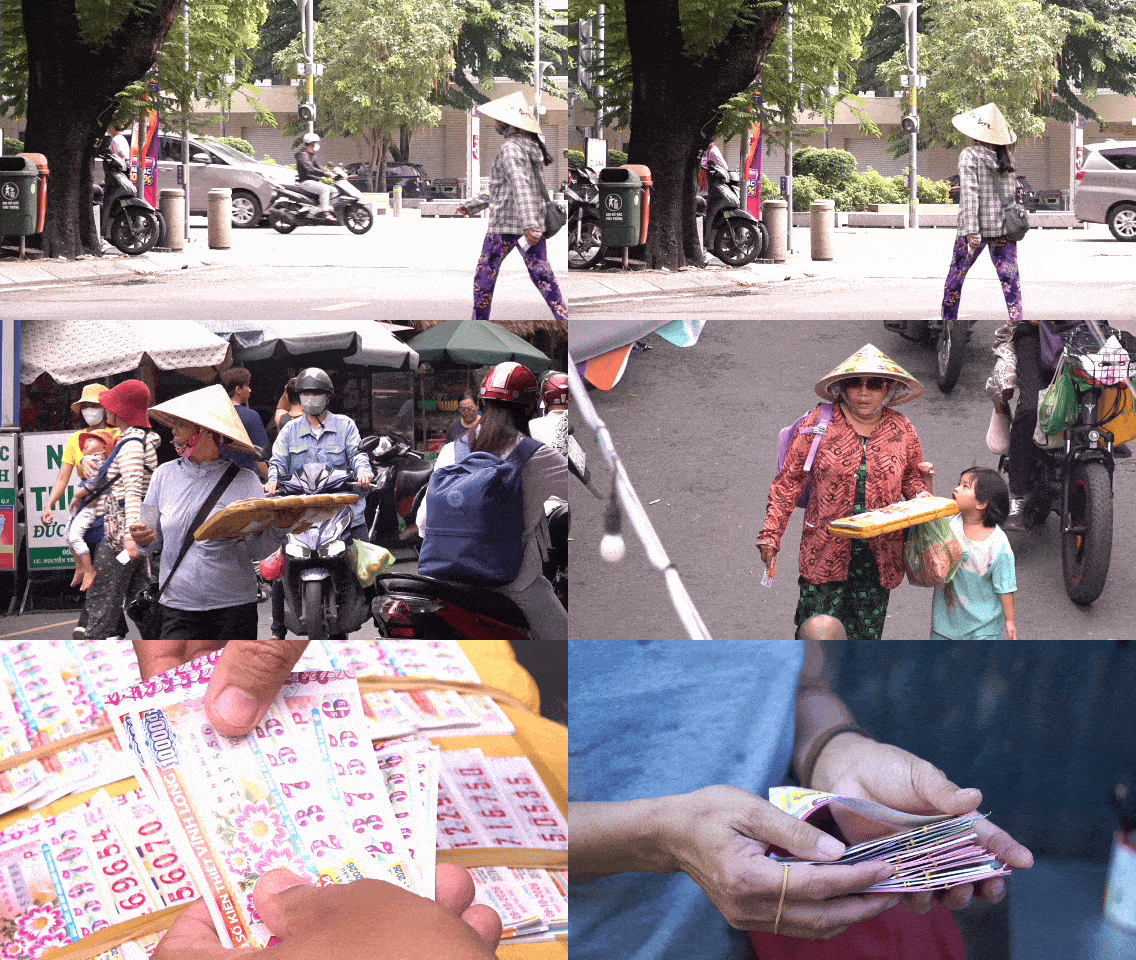
Vendors earn just VND1,000 per ticket sold. An increasingly common arrangement known as outright purchase and resale also leaves them bearing the risk of unsold inventory. If they fail to sell all their tickets by the end of the day, they must absorb the cost of the remaining stock. Besides losing money, they may also risk having distributors refuse to supply them with tickets the following day.
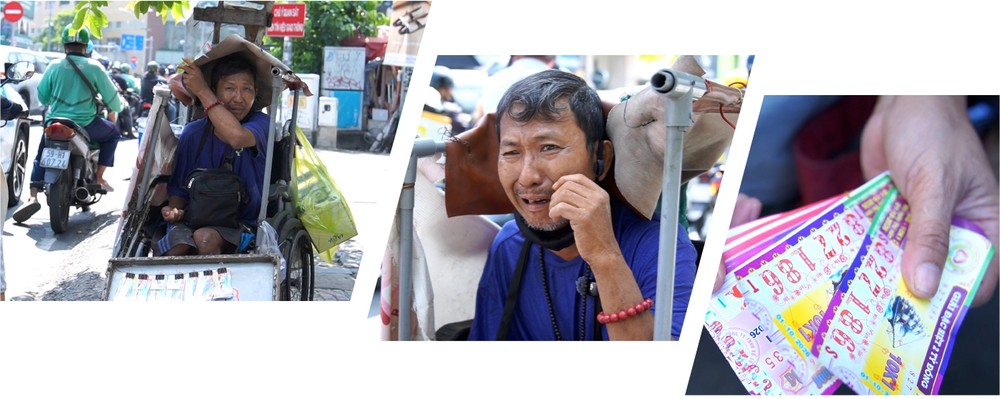
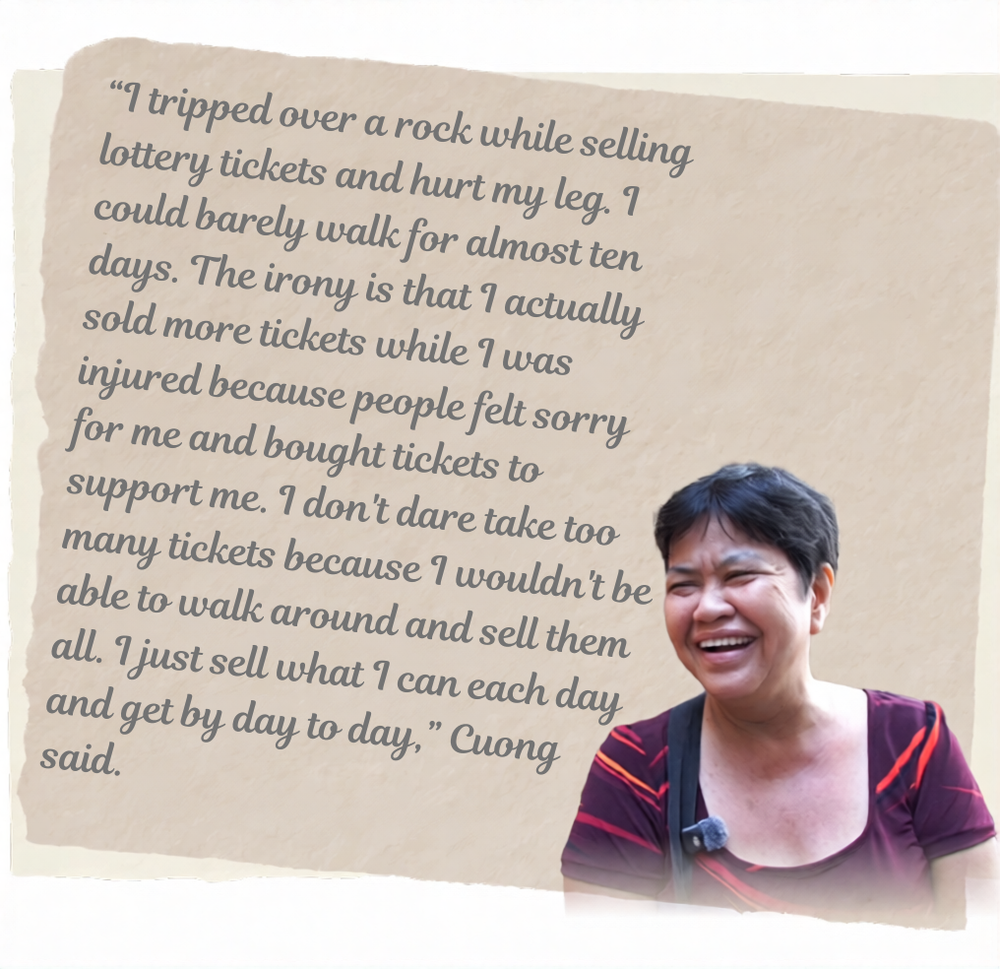
At 60, when many people hope to enjoy a more leisurely life, Vo Thi Hung Cuong, a resident of Thanh My Tay Ward in Ho Chi Minh City, continues to roam the city's streets every day to earn a living selling lottery tickets.
Her legs are no longer as strong as they once were. On particularly exhausting days, she has to return home early. But whenever her health allows, she keeps working until evening.
Her day begins with selling bamboo shoot noodle soup in the morning. In the afternoon, she takes a bundle of lottery tickets and walks along several streets, including Ung Van Khiem, Van Thanh, and Thi Nghe, trying to find customers.
For Cuong, making ends meet is a day-to-day struggle. She has little idea what the future holds and no assurance of financial security when she can no longer work.
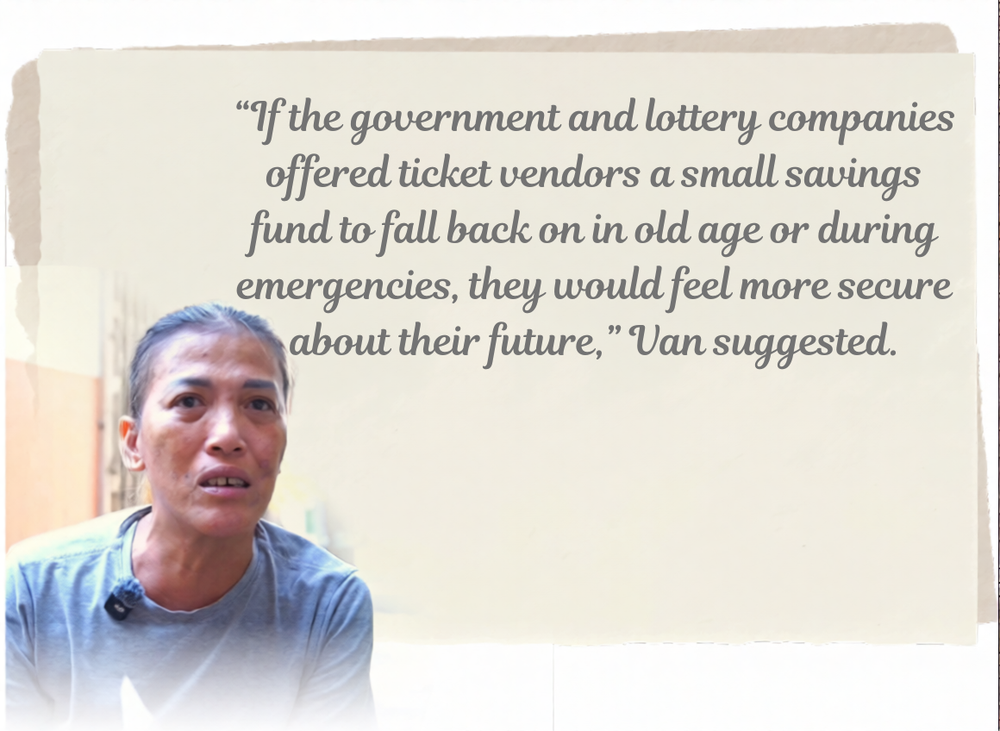
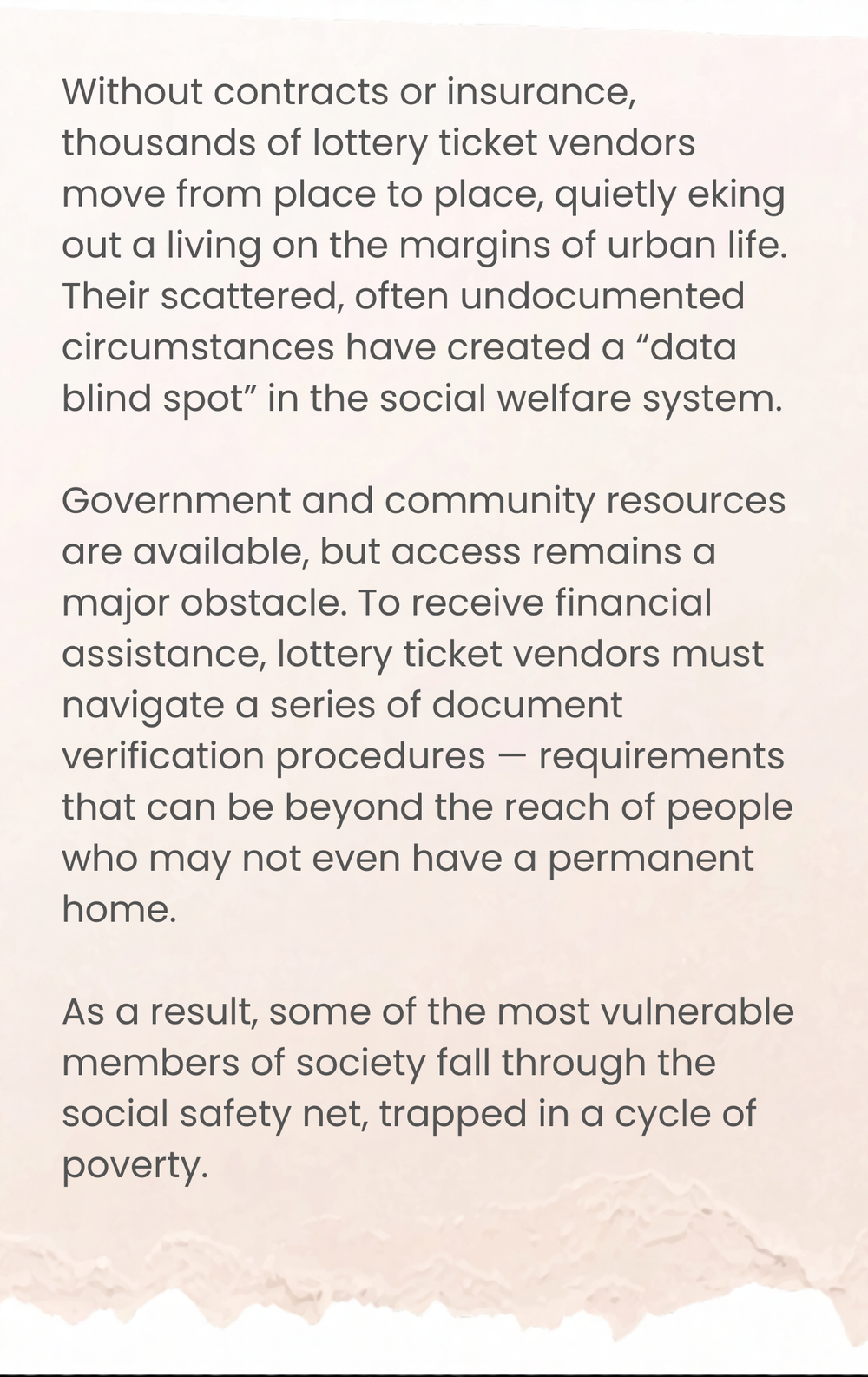
What lottery ticket vendors need most is a basic safety net. As long as they remain physically capable, they can continue working. But when age or illness eventually takes away their ability to earn an income, they hope to have at least a modest amount of financial support to cover essential living expenses.
That is the aspiration of many economically vulnerable informal workers.
Ms. Pham Thi Thu Van, Chairwoman of the Lottery Ticket Vendors' Trade Union in Thanh My Tay Ward, said the city should expand access to health insurance and social insurance for disadvantaged workers.


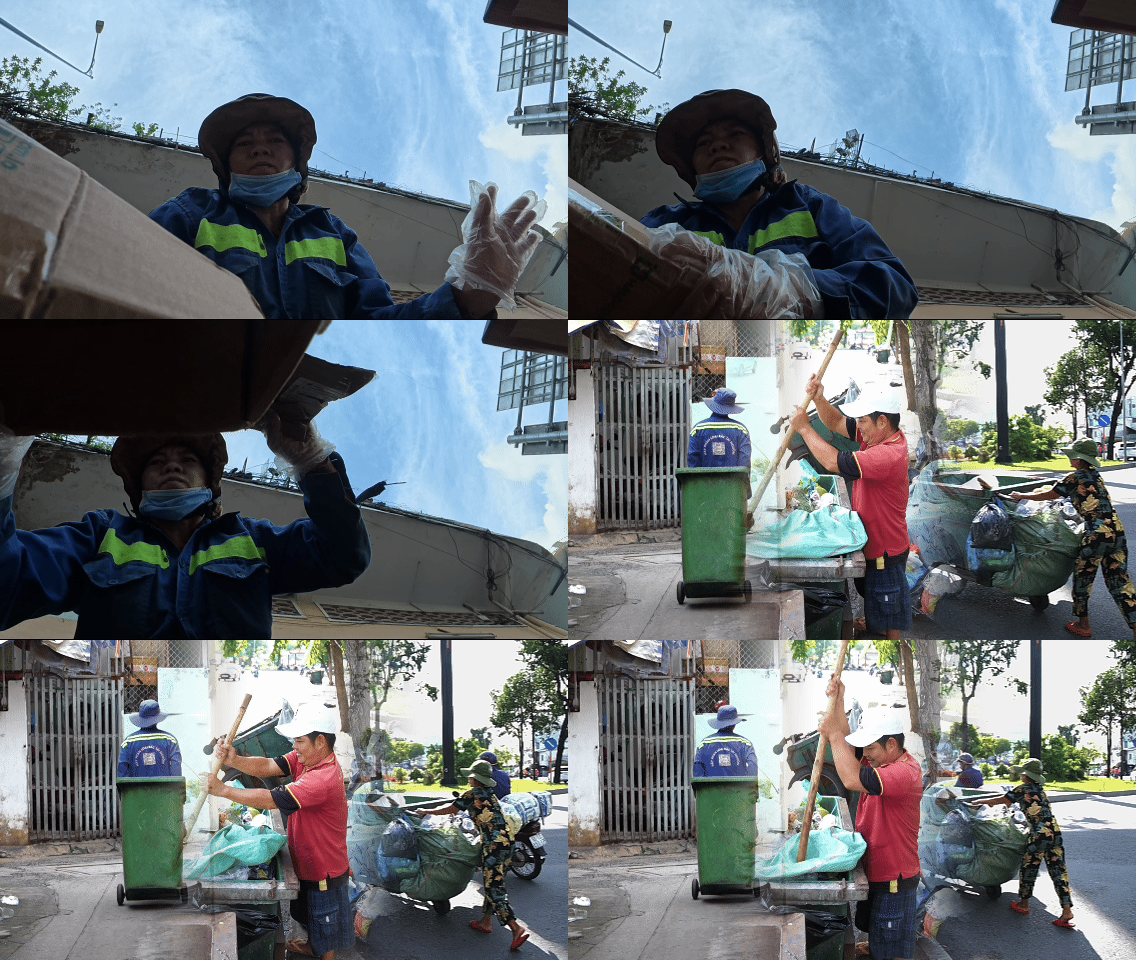
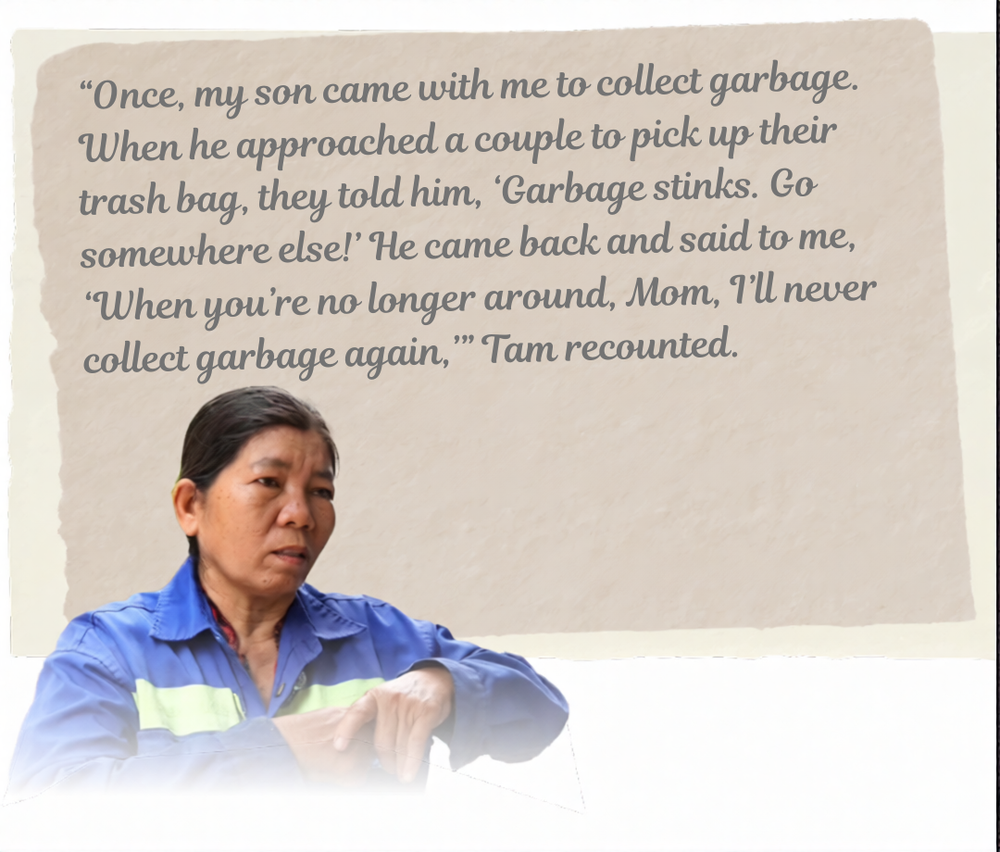
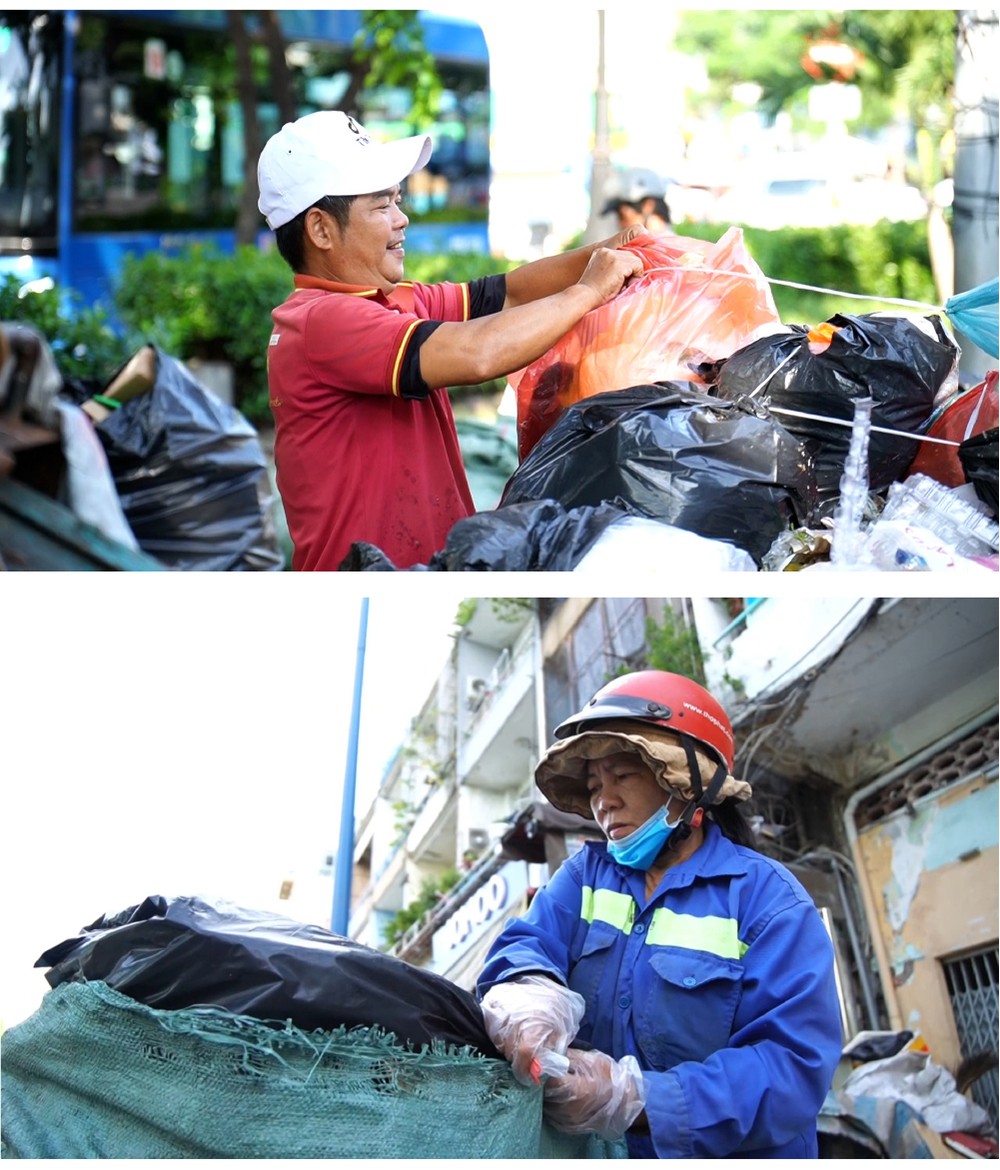
Nguyen Thi Tam, 52, moved from Dong Thap Province to Ho Chi Minh City more than two decades ago and has worked as an independent garbage collector ever since.
Her working day begins at 5 a.m. and often does not end until 9 p.m. She spends long hours navigating the city's narrow alleys and streets on an aging motorbike, collecting household waste from residents.
Working in dry weather is already exhausting. When it rains, she must handle heavy garbage bags soaked with water and give off particularly foul odors.
Over the years, Tam and her colleagues have suffered numerous workplace injuries, including puncture wounds from discarded syringes, cuts from broken glass, and even traffic accidents.
But one of her deepest frustrations is the social stigma attached to her occupation. Despite helping keep the city clean, garbage collectors are frequently looked down upon because of the unpleasant odors associated with their work.
Ho Chi Minh City generates approximately 14,000 metric tons of household and other solid waste every day, with two main groups responsible for collecting and transporting it from residential areas to treatment facilities: the public and private sectors.
Public waste collection is handled by State-managed entities, including public service companies and Ho Chi Minh City Urban Environment Co. Ltd. These organizations operate under government supervision and follow established standards.
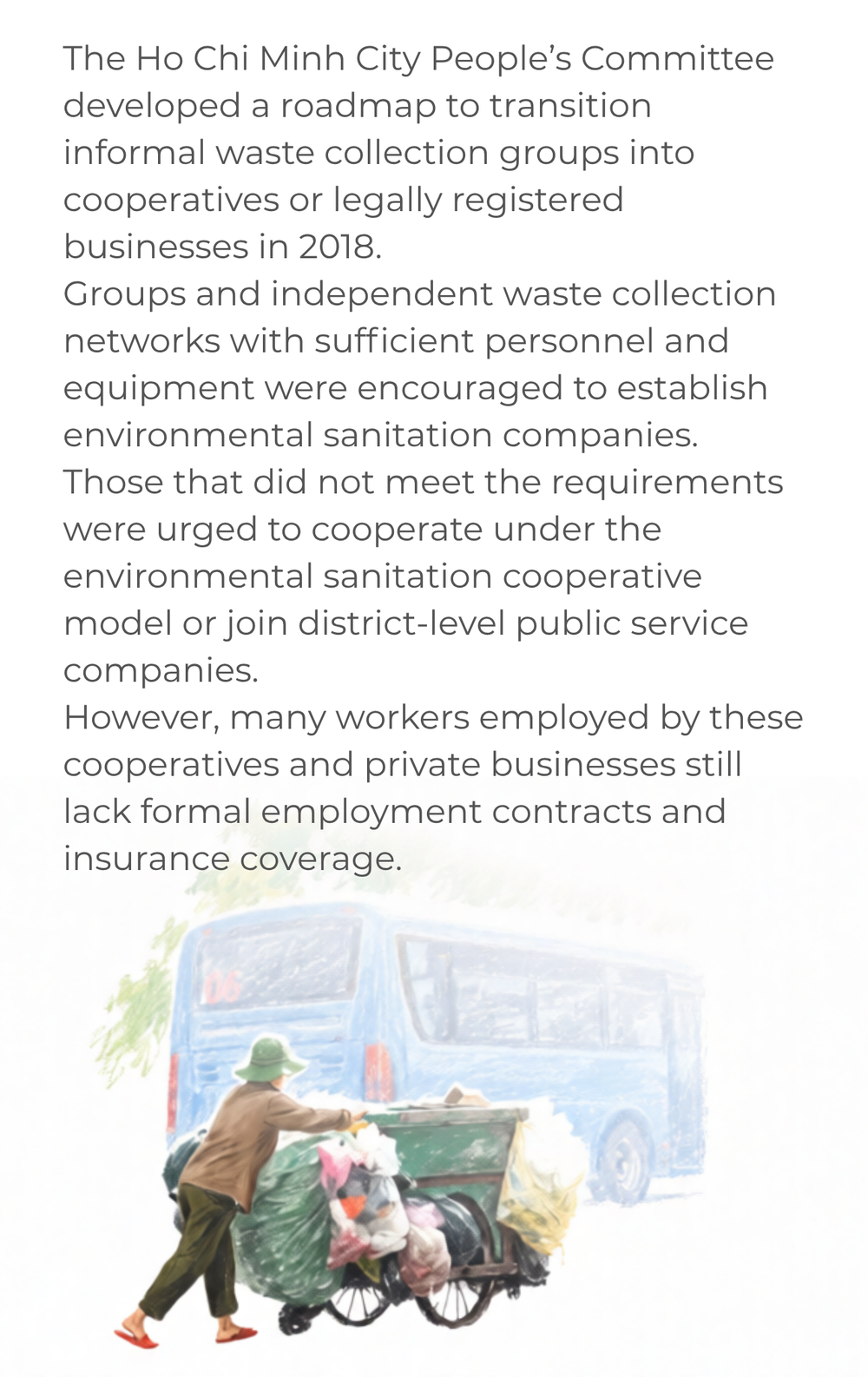
By contrast, independent collection networks, many of which have since formalized their legal status as cooperatives, companies or businesses, have traditionally operated with considerable autonomy, with varying standards and working arrangements.
Private waste collection operators, including companies, businesses, cooperatives and independent collection teams, handle approximately 60 percent of the waste generated by households in alleys and apartment buildings.
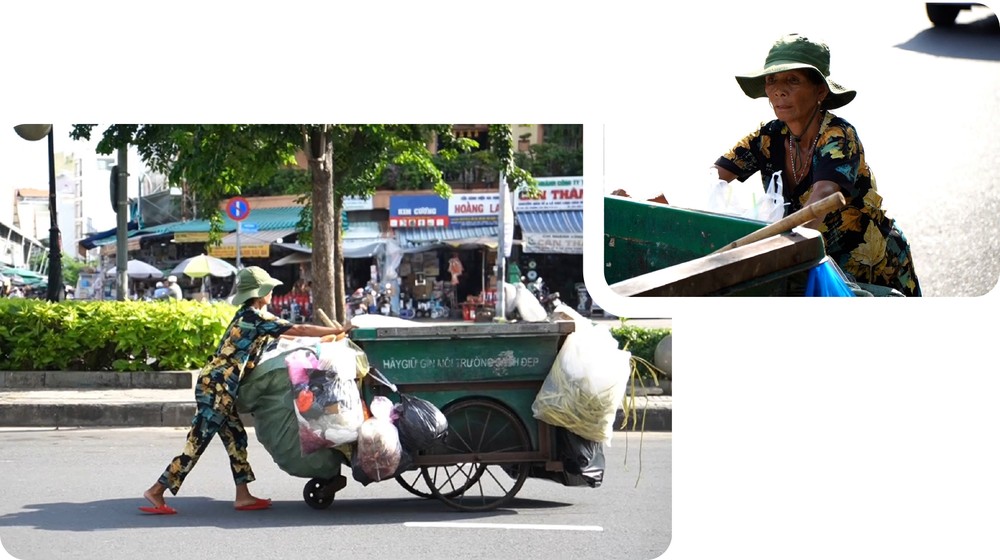
Most independent garbage collectors are migrant workers who lack permanent household registration and union representation. Many share cramped rental rooms measuring just 14 to 16 square meters with three to six other people.
With monthly incomes of approximately VND4 million to VND7 million, the prospect of securing stable housing remains largely out of reach.
Workers are generally paid monthly. Given their financial difficulties, many have to ask their employers for salary advances every few days or once a week to cover daily expenses.
Their low wages also prompt them to collect and sell recyclable materials and scrap metal for additional income. Even so, these activities bring in only around VND100,000 on a good day, and such earnings are far from guaranteed.
For many, the only form of protection is a self-funded health insurance card. They receive no paid annual leave or overtime allowances, while their workloads intensify during peak periods.
The pressure becomes particularly severe around major holidays and the Lunar New Year, when urban waste volumes can triple or quadruple.
As the city lights up to welcome the New Year, garbage collectors continue working through the night, moving from one alley to another until dawn on the first day of the lunar year. By the third day, they are back on the job, resuming the relentless cycle of cleaning up the city.
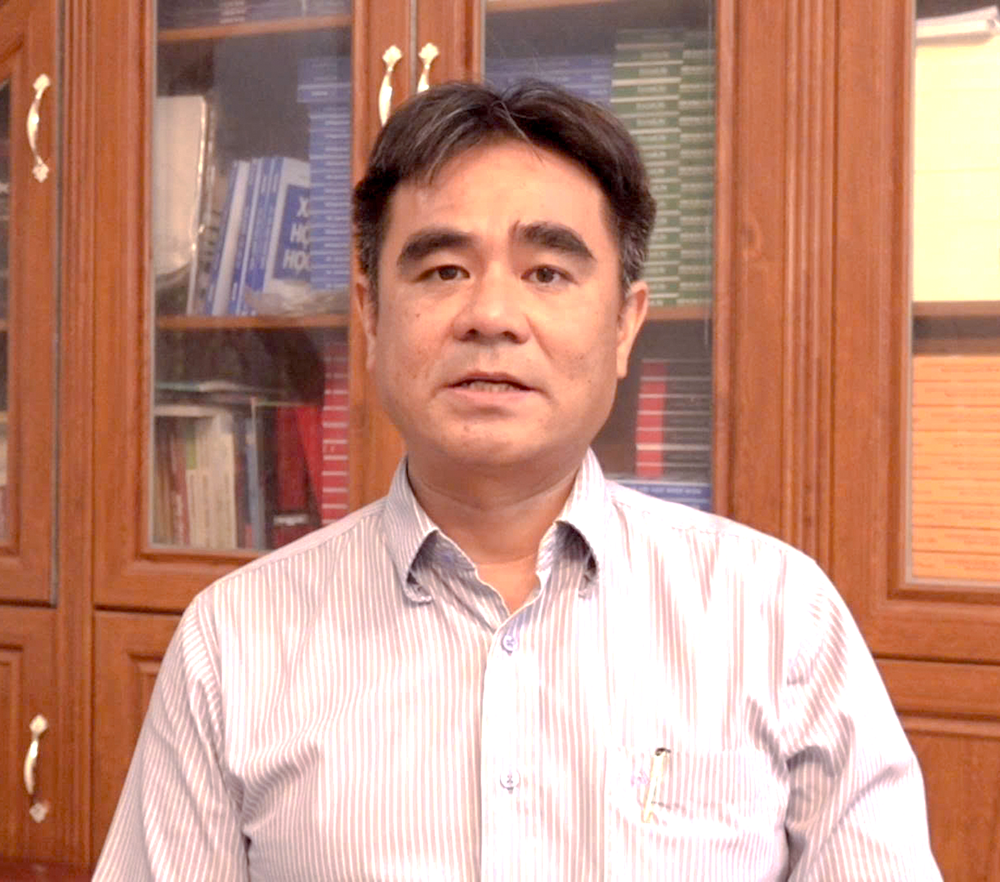
Mr. Nguyen Vinh Huy, Chairman of the Board of Directors of Thinh Tri Law JSC, said three fundamental bottlenecks must be addressed to close gaps in social protection for independent waste collectors.
"First, because working arrangements are largely based on informal agreements among cooperatives, household businesses and workers, compounded by limited awareness of labor laws, most workers have no formal employment contracts. This leaves them in a vulnerable position, without adequate protection when accidents or other risks occur," he said.
"Second, the government needs to introduce direct support measures, including regular health checkups, the provision of protective equipment, standardized waste collection vehicles, and vocational training.
"Third, waste collection service fees must be calculated accurately and comprehensively, with mandatory allocations for workers' social security and occupational safety costs."


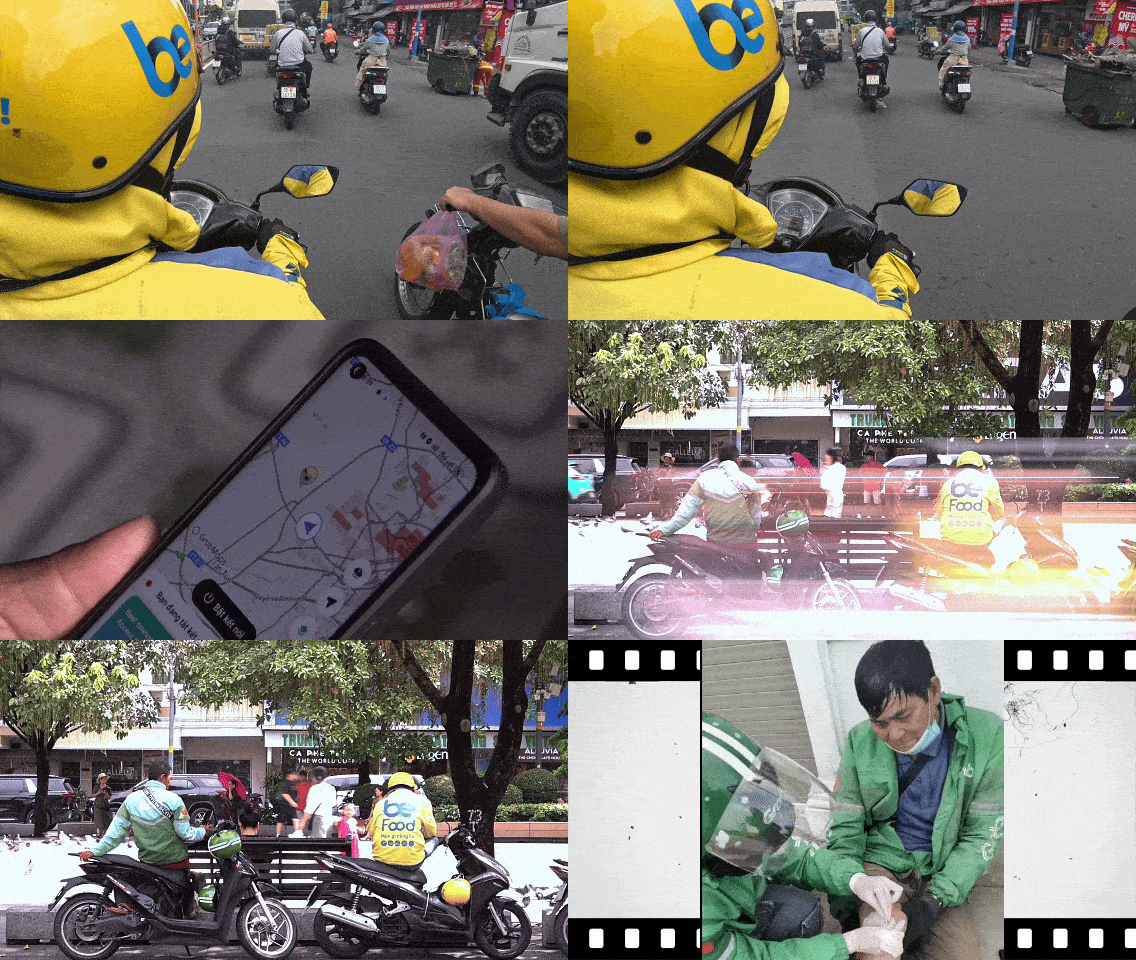
Nguyen Ngoc Doan, 52, previously worked in construction before financial difficulties led him to turn to app-based ride-hailing services.
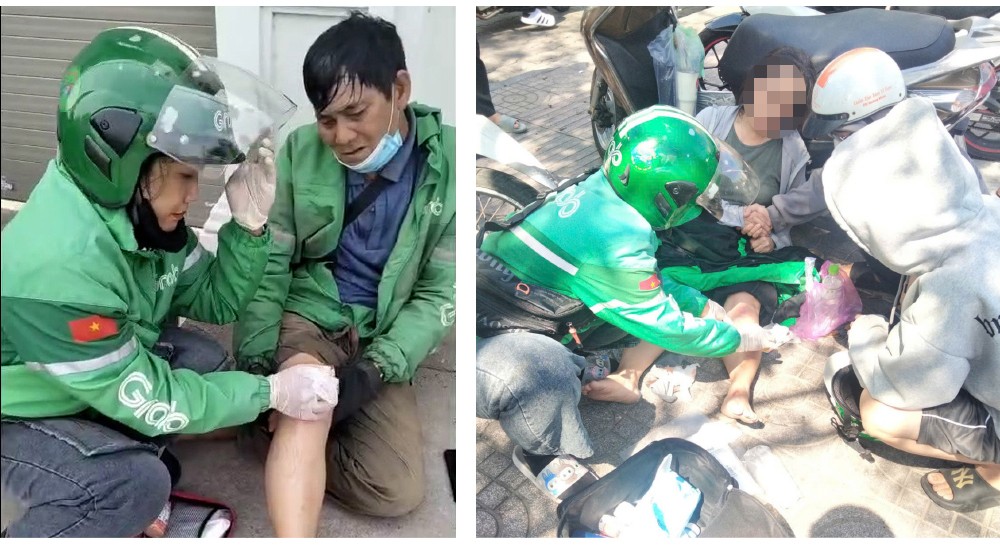
During one trip on his motorbike, Doan was involved in a serious traffic accident while his app was switched off. He suffered a complicated fracture of his left foot and compression fractures in two vertebrae.
After spending two months in hospital, he received no financial assistance.
His experience illustrates a central vulnerability facing platform-based workers: although they perform services essential to the digital economy, their employment status often leaves them shouldering occupational risks on their own.
As the digital economy expands and technology platforms reshape the labor market, ride-hailing drivers have become an increasingly important part of the workforce in major cities.
The model offers employment opportunities, income-generating potential and flexible working arrangements. However, it also raises pressing questions about occupational risks, working hours and access to social protection.
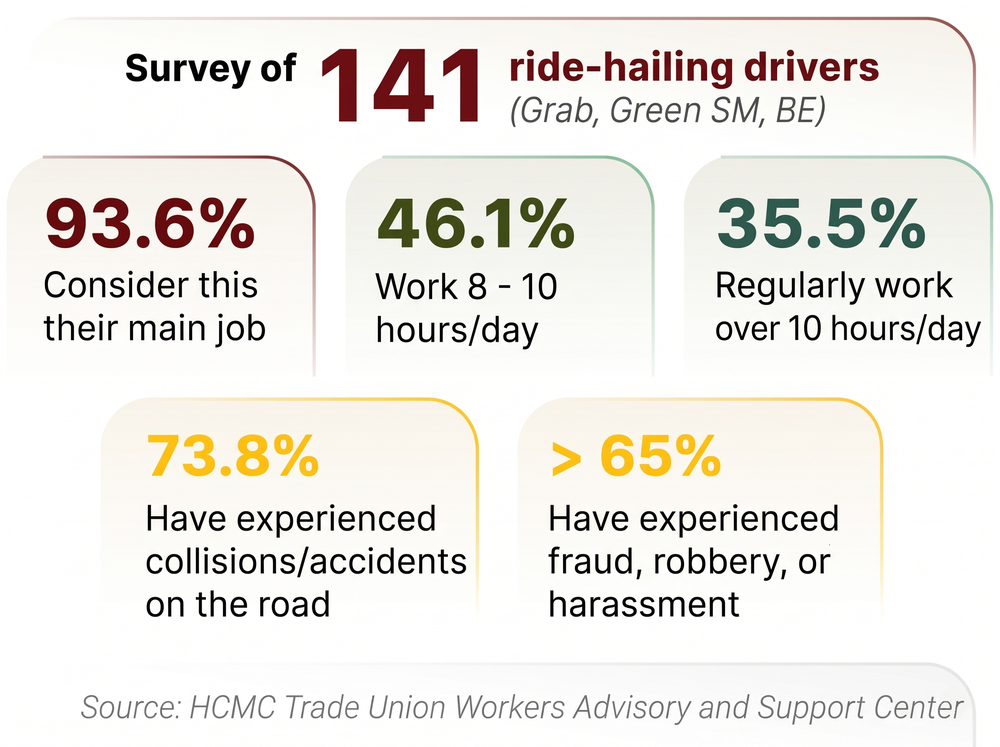
A survey of 141 drivers working for Grab, Green SM and BE, conducted by the Ho Chi Minh City Trade Union Workers' Counseling and Support Center, found that 93.6 percent considered ride-hailing their primary occupation.
Of those surveyed, 46.1 percent worked between eight and ten hours a day, while 35.5 percent regularly worked more than ten hours daily.
The survey also revealed significant safety concerns. Some 73.8 percent of respondents said they had experienced at least one road collision or traffic accident. More than 65 percent had encountered situations involving scams, robbery, or harassment.
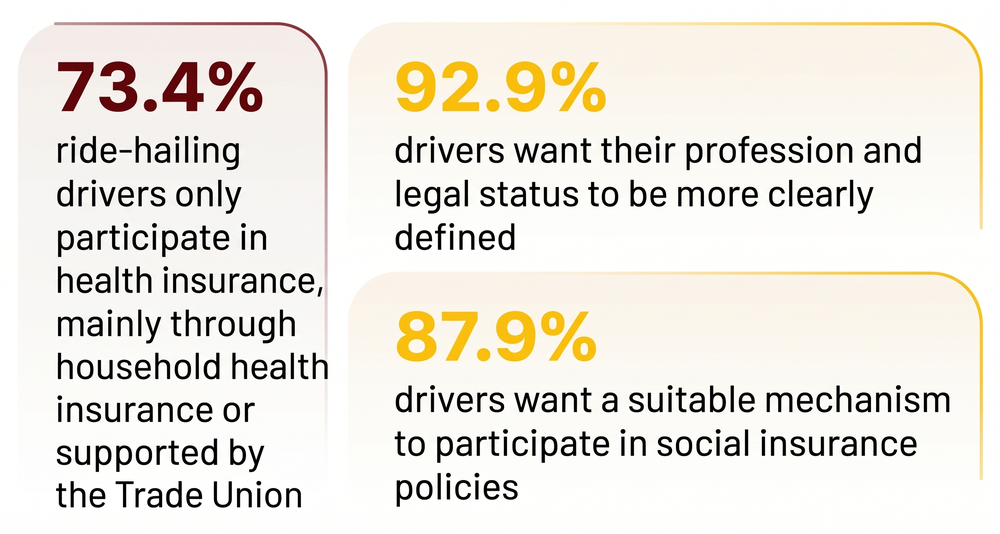
Some 73.4 percent of surveyed drivers had health insurance, primarily through household-based policies or support from trade unions. Others had no insurance coverage whatsoever, including health insurance.
The findings also point to strong demand for clearer legal recognition and more comprehensive protection. Some 92.9 percent of respondents wanted their occupational status and legal standing to be more clearly defined, while 87.9 percent hoped for mechanisms that would enable them to participate in social insurance schemes.
Mr. Le Minh Tam, Vice Chairman of the Binh Tan Technology-Based Motorcycle Taxi Drivers' Trade Union in Ho Chi Minh City, said drivers faced considerable risks and were vulnerable to accidents while working on the streets.
He called on authorities to provide free health insurance and introduce policies enabling drivers to participate in social insurance programs.

Ms. Tran Thi Dieu Thuy, Deputy Head of the Ho Chi Minh City Delegation of National Assembly Deputies, has proposed including ride-hailing drivers working through digital platforms in the group subject to compulsory social insurance contributions.
She argued that although agreements between drivers and platform operators are formally described as cooperation arrangements, their substance may constitute an employment relationship.
Platform companies exercise considerable control over drivers' working conditions and earnings, including deducting a percentage of their revenue, imposing incentive and penalty schemes, setting requirements for working hours, and requiring drivers to bear the costs of promotional vouchers.
They can also unilaterally stop assigning orders or suspend drivers' accounts when violations occur, she noted.

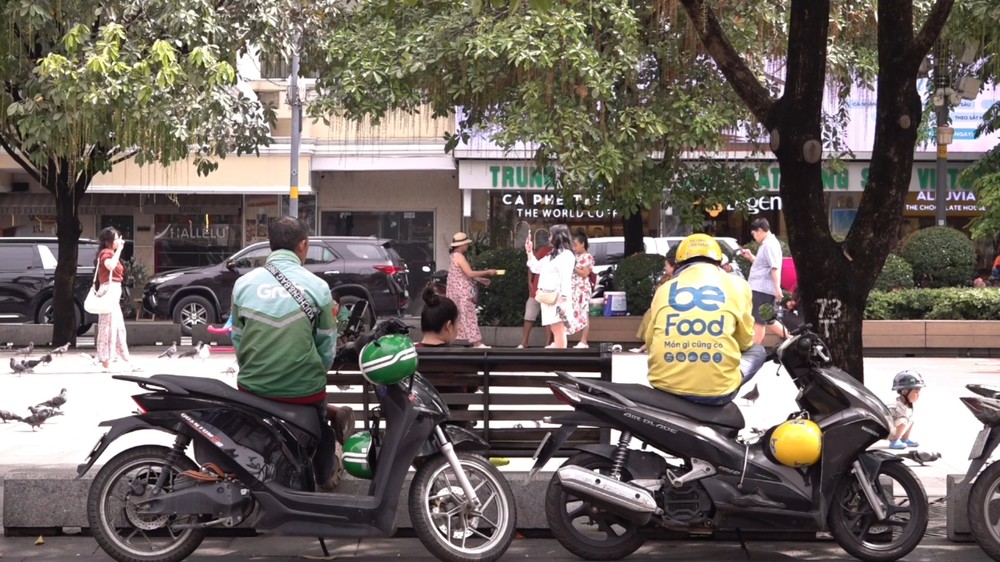
Such arrangements raise questions about whether platform operators should be allowed to classify drivers as independent partners while retaining substantial control over their work.
Bringing ride-hailing drivers into the compulsory social insurance system, however, would require clear regulations defining the respective contribution responsibilities of platform operators, workers and the State.
Assoc. Prof. Dr. Nguyen Duc Loc, Director of the SocialLife Institute, said app-based driving had evolved from a supplementary source of income into a primary occupation for many people.
Yet while the nature of the work has changed, existing labor regulations remain largely structured around traditional employment relationships, creating a substantial gap in social protection for platform workers.
Mr. Nguyen Duc Loc cautioned against judging the attractiveness of ride-hailing work solely by the income drivers can potentially earn.
To achieve their desired earnings, many have to push themselves to work more than ten hours a day, without overtime allowances or paid leave. When they fall ill or stop working for any reason, their income immediately dries up.
The Social Insurance Law 2024 represents progress in expanding the coverage of the country's social protection system. However, further policy reforms will be necessary to address the distinctive characteristics of employment in the digital economy, he said.
In particular, the responsibilities of all parties, especially platform operators, must be clearly defined to ensure workers receive adequate benefits and that social insurance and health insurance contributions are shared fairly.