At the end of every month, Vu Thi Lan Anh, a resident of Binh Thanh Ward, Ho Chi Minh City, reviews her family's household expenses with growing concern as the family's income has remained largely unchanged. If one family member loses a job or falls ill, the household's financial plans are immediately thrown off balance.
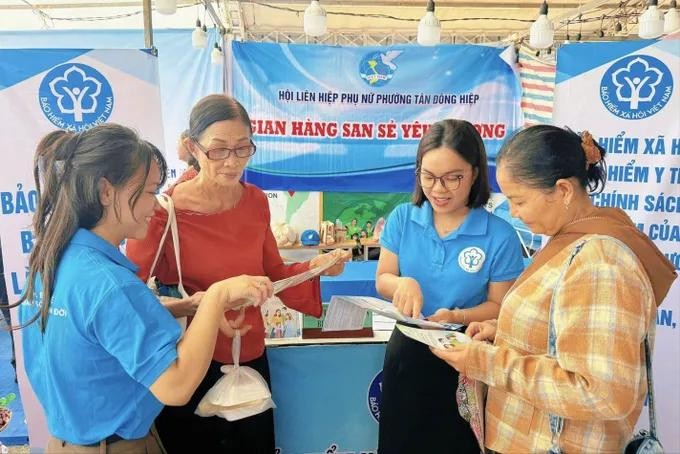
Her situation reflects that of many families in Ho Chi Minh City. Although they are not classified as poor under the current criteria, they remain vulnerable to changes in employment and rising living costs.
The city's proposal to establish a new multidimensional poverty standard has recently attracted widespread attention. Ho Chi Minh City plans to raise its income threshold to between 1.3 and 1.6 times the national poverty standard while also considering factors such as employment, healthcare, education, housing, access to information, clean water, and environmental services when identifying poor and near-poor households.
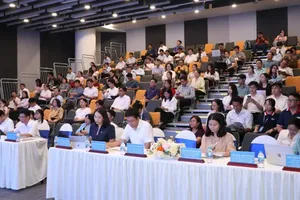
At a recent social consultation conference on the draft decision by the Ho Chi Minh City People's Committee establishing the city's multidimensional poverty standard for the 2027-2030 period, many participants agreed that the poverty benchmark should better reflect actual living conditions.
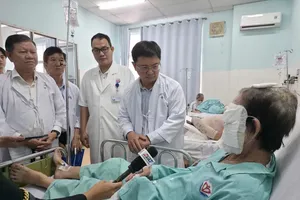
Several delegates also recommended creating separate categories for elderly people living alone, people with disabilities, those suffering from serious illnesses, and victims of Agent Orange, arguing that applying the same criteria to all groups would not adequately reflect the challenges they face.
Establishing a poverty standard that more accurately reflects real-life conditions would help identify those most in need of assistance.
By directing support to the appropriate beneficiaries, social welfare resources can be used more effectively, enabling residents to access vocational training, find employment, receive healthcare, support their children's education, and gradually improve their living conditions.
Residents hope that, during their most difficult times, they will have access to policies they can rely on and the support needed to rebuild their lives.