The materials will support efforts to search for, recover, and identify the remains of Vietnam's fallen soldiers.
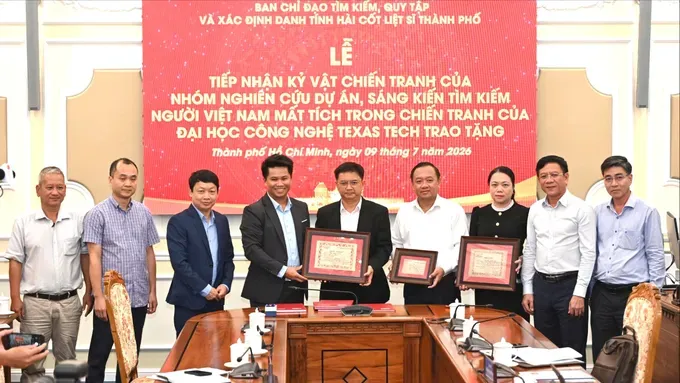
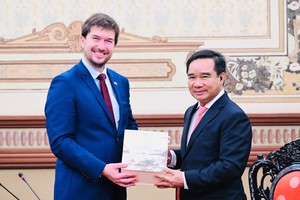
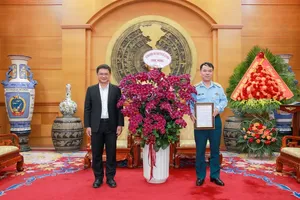
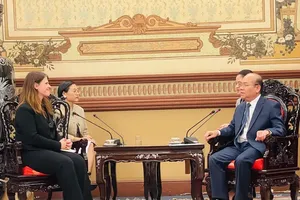
The handover ceremony was chaired by Nguyen Manh Cuong, Vice Chairman of the Ho Chi Minh City People's Committee and head of the city's Steering Committee for the Search, Recovery, and Identification of Fallen Soldiers' Remains. The event was attended by representatives of the Ho Chi Minh City High Command, relevant departments and agencies, and the research team.
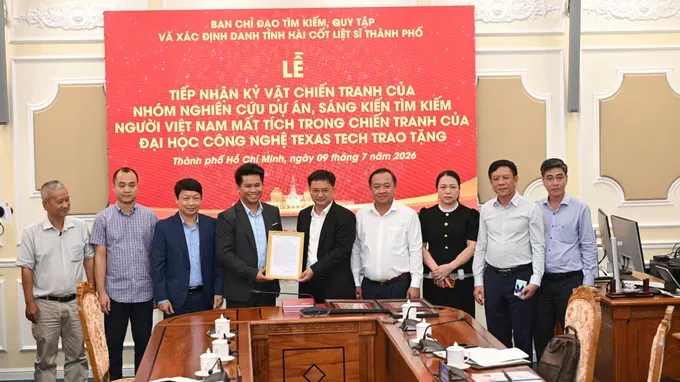
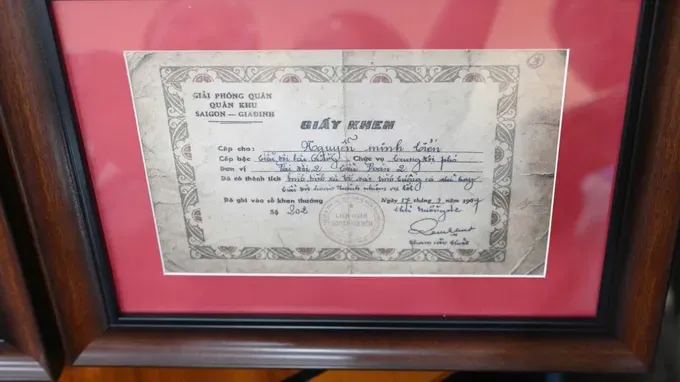
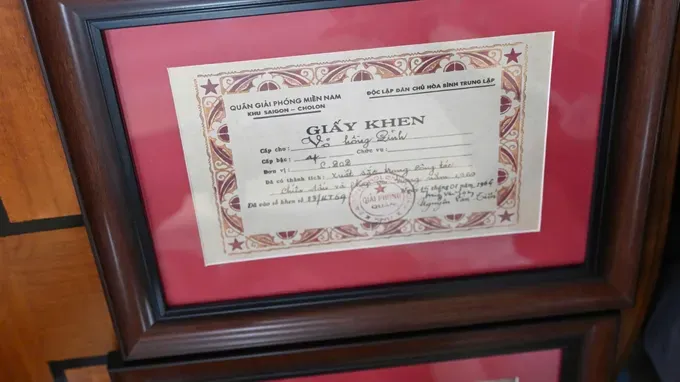
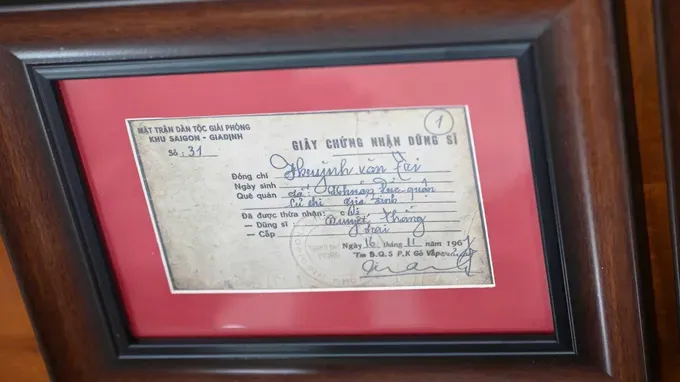
At the ceremony, the steering committee received documentation related to three wartime keepsakes belonging to fallen soldiers and burial records and maps for 21 martyrs interred at K76A Hospital, as well as decoded records identifying the military unit codenamed 962, linked to artifacts uncovered at Le Thi Rieng Park.
Associate Professor Alex Thai Dinh Vo, principal investigator of the project “An Initiative to Search for Vietnamese Missing in War” at Texas Tech University (Texas Tech), said the three dossiers handed over were reconstructed from original U.S. military records in conjunction with Vietnamese martyr files. The materials are expected to help clarify the service history, combat operations, and circumstances surrounding the sacrifice of the fallen soldiers.
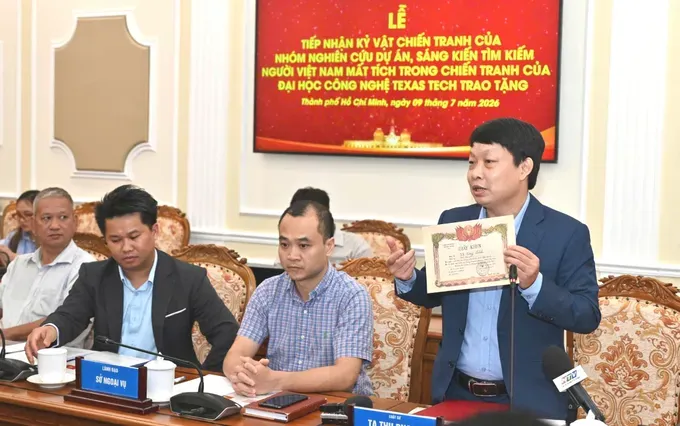
Regarding the K76A Hospital records, the research team identified the hospital's coordinates, reconstructed a burial site map, and established the identities of 21 fallen soldiers buried there. According to Associate Professor Alex Thai Dinh Vo, the information is expected to significantly shorten the time required to verify records, narrow down search areas, and locate the burial sites.
Associate Professor Alex Thai Dinh Vo explained that the search for those missing in wartime involves four stages, including researching historical records, verifying information on the ground, recovering remains once burial sites have been identified, and conducting DNA analysis in conjunction with historical documentation to confirm identities. The research team is currently responsible for the first stage—archival research—and provides support during the final verification process.
Following discussions with Ho Chi Minh City authorities, the team reviewed 212 records related to military unit 962 in just two hours. The effort resulted in the compilation of three investigative dossiers to assist in verifying combat units that operated in the Chu Y Bridge area and the burial site at Le Thi Rieng Park.
The team has also decoded the codenames of numerous military units using various archival sources and continues to study several key locations, including Tan Son Nhat Airport. To date, researchers have collected more than 10 photographs and maps of the airport dating back to the 1968 Spring Mau Than General Offensive and Uprising. Many of these records point to areas where large numbers of bodies were reportedly concentrated, providing additional evidence to help narrow search zones for future recovery efforts. The data will continue to be updated and shared with Vietnamese authorities in the coming period.
Speaking at the ceremony, Vice Chairman of the Ho Chi Minh City People's Committee Nguyen Manh Cuong said the city's agencies had worked closely with the Texas Tech University research team and its experts in recent years. The collaboration has not only yielded meaningful results but has also deepened participants' appreciation of the significance of the mission to locate, recover, and identify the remains of Vietnam's fallen soldiers.
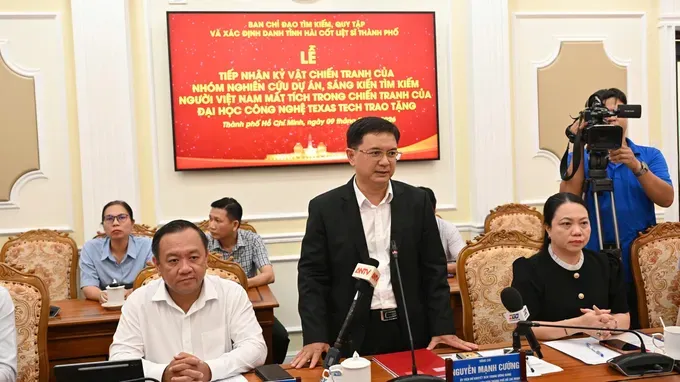
Vice Chairman of the Ho Chi Minh City People's Committee Nguyen Manh Cuong noted that nearly 60 years after the 1968 Tet Offensive, many officers and soldiers who made the ultimate sacrifice have yet to be found. Therefore, he said, the addition of historical records is of particular significance, providing valuable evidence to support efforts to locate, recover, and identify the remains of fallen soldiers.
The city’s Vice Chairman expressed his appreciation and gratitude to the experts for their dedication and strong sense of responsibility in compiling valuable historical materials. Their contributions, he said, have provided effective support to Ho Chi Minh City's Steering Committee in its ongoing work to search for, recover, and identify the remains of the war dead.
He affirmed that Ho Chi Minh City would make effective use of the archival materials provided by the research team while continuing to expand cooperation and research in areas where much historical information remains unresolved. The ultimate goal, he said, is to help bring more fallen soldiers home to their families and native hometowns.
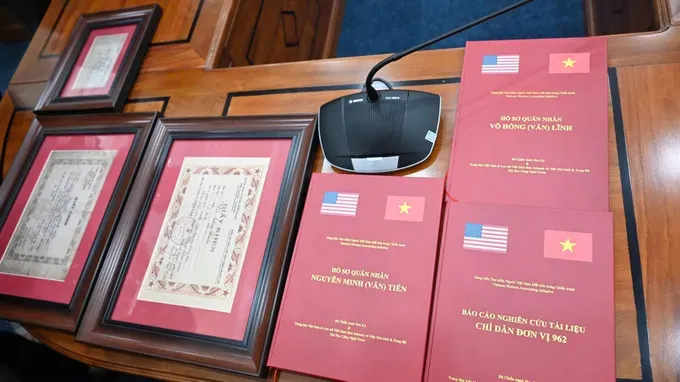
Images of three wartime keepsakes belonging to fallen soldiers Huynh Minh Tri, Nguyen Minh Tien, and Vo Hong Linh:


)