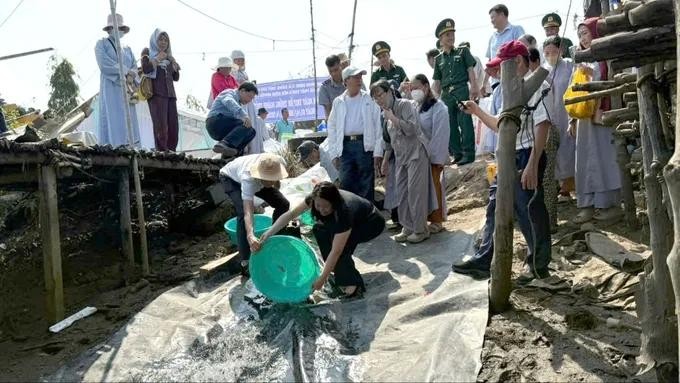
Marking the 67th anniversary of the traditional day of the fishery sector (April 1, 1959 – April 1, 2026), on the morning of April 1, the Ho Chi Minh City Department of Agriculture and Environment, in coordination with relevant units, organized the release of aquatic species to restore fishery resources at three locations, with a total of over 4.02 million juveniles into local rivers.
This aims to contribute to the replenishment of aquatic resources, restoration of ecosystems, and raising community awareness about sustainable resource exploitation and protection.
The released species included Asian sea bass, golden pompano, and black tiger shrimp which are species of high economic value. All juveniles were quality-checked to ensure they were disease-free, of appropriate size, and well-adapted to natural conditions, thereby improving post-release survival rates.
In a major conservation effort, local authorities released four million juveniles across three key waterways to bolster aquatic stocks and support regional ecosystems.
The restocking initiative targeted the following locations:
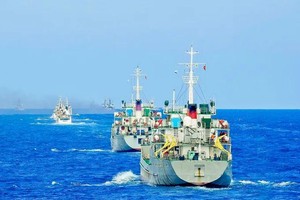
- Ray River in Ho Tram Commune: The historic site of the “No-Number Ships” fleet saw the largest influx, with 1.4 million juveniles released.
- Cha Va River in Long Son Commune: A total of 1.3 million juveniles were introduced to the area.
- Dan Xay River in An Thoi Dong Commune: The site also received 1.3 million juveniles to support local biodiversity.
Speaking at the ceremony, Deputy Director Pham Thi Na of the Ho Chi Minh City Department of Agriculture and Environment emphasized that restoring aquatic resources is a vital task that contributes to ecosystem recovery, biodiversity protection, environmental improvement, and sustainable livelihoods for fishermen. She also called on local authorities, organizations, and residents to refrain from destructive fishing practices such as electric shocks, chemicals, or prohibited fishing gear.
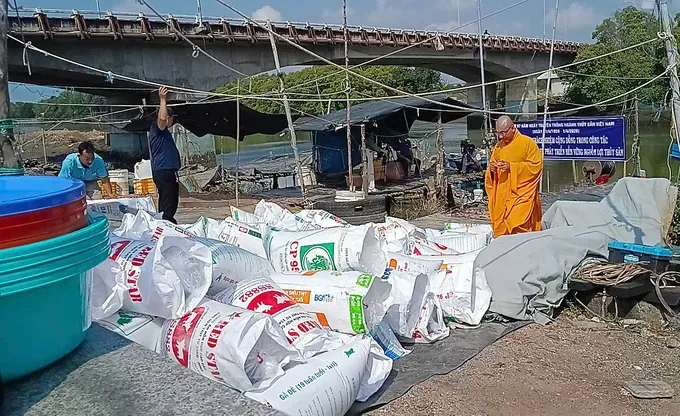
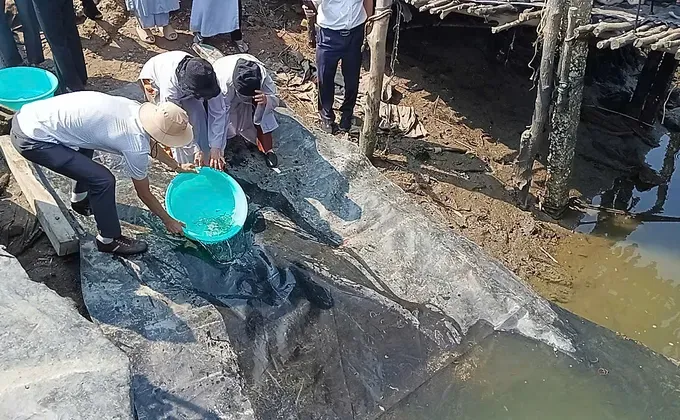
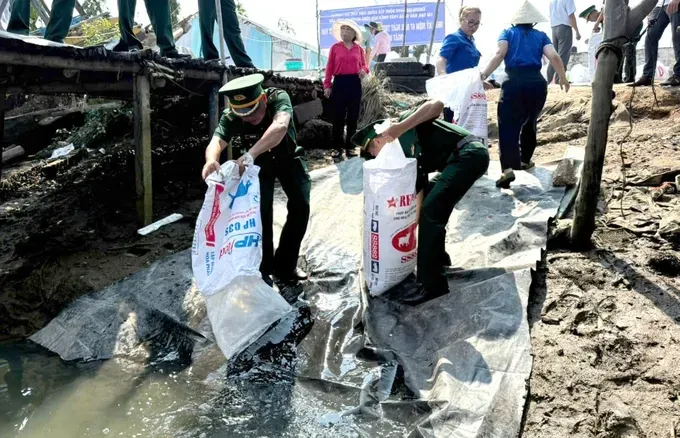
The program had a total budget of more than VND522 million from the state budget, along with contributions and support from organizations, individuals, and the community.
According to the Ho Chi Minh City Department of Agriculture and Environment, the release of aquatic species to restore fishery resources is an annual program with practical significance, helping to raise public awareness of sustainable exploitation, environmental protection, and the promotion of a sustainable marine economy.
On the same day, at Dam Bay in Nha Trang Bay, the Khanh Hoa Department of Agriculture and Environment organized a similar program to release aquatic species, also marking the 67th anniversary of the fisheries sector special day (April 1, 1959).
Approximately 4.5 million juveniles were released into the natural environment in the Dam Bay marine area, including 1.35 million black tiger shrimp; 3.1 million mollusks such as spotted babylon snails and clams; about 2,700 reef fish (notably anemonefish) and more than 54,000 fish such as pompano, cobia, grouper, and seabass.
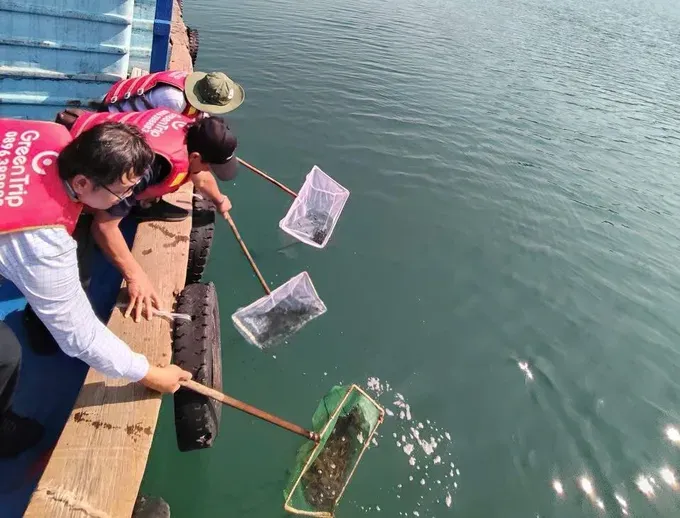
Leaders of the Khanh Hoa Department of Agriculture and Environment stated that restoring aquatic resources is a long-term task requiring the collective effort of society. Citizens are encouraged to enhance awareness of resource protection and avoid destructive fishing practices to support the sustainable development of the marine economy.
Nha Trang Bay is one of Vietnam’s 16 national marine protected areas and the country’s first marine reserve, covering nearly 250 square kilometers. This activity aims to supplement and restore declining aquatic resources, while contributing to the protection of marine ecosystems and biodiversity in the bay.