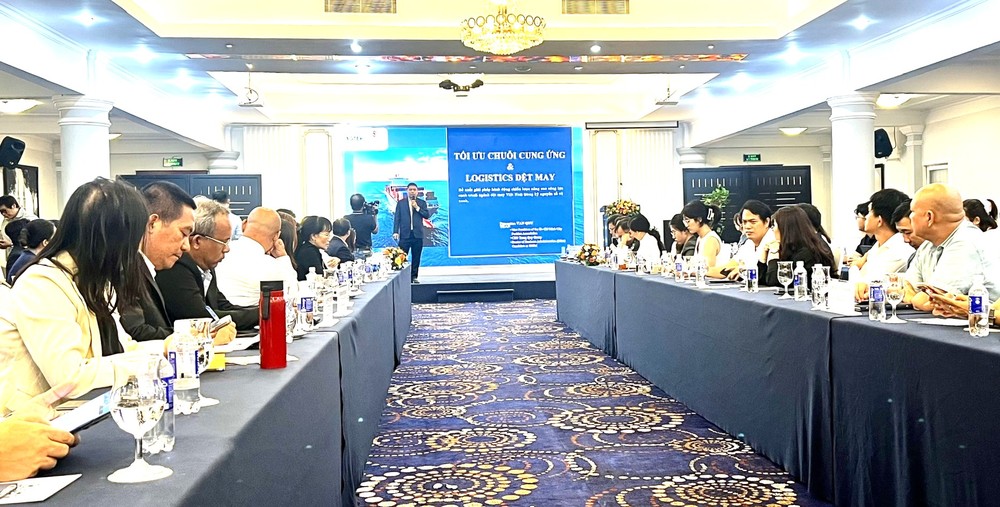
The HCMC Department of Industry and Trade, in collaboration with the HCMC Logistics and Ports Association and industry associations representing the textile and garment, footwear, and wood-processing sectors, on June 26, held a conference on strengthening supply chain connectivity and logistics services.
Speaking at the event, Mr. Le Van Danh, Deputy Director of the HCMC Department of Industry and Trade, said the city's textile and garment exports were estimated at US$4.09 billion in the first six months of 2026, while wood and wood products reached US$3.93 billion, and footwear exports totaled US$2.22 billion.
These industries remain among the city's leading export earners and are deeply integrated into global supply chains. However, they are facing mounting pressure from high logistics costs, stricter traceability requirements, carbon-emissions reporting, and increasingly rigorous sustainability standards imposed by export markets.
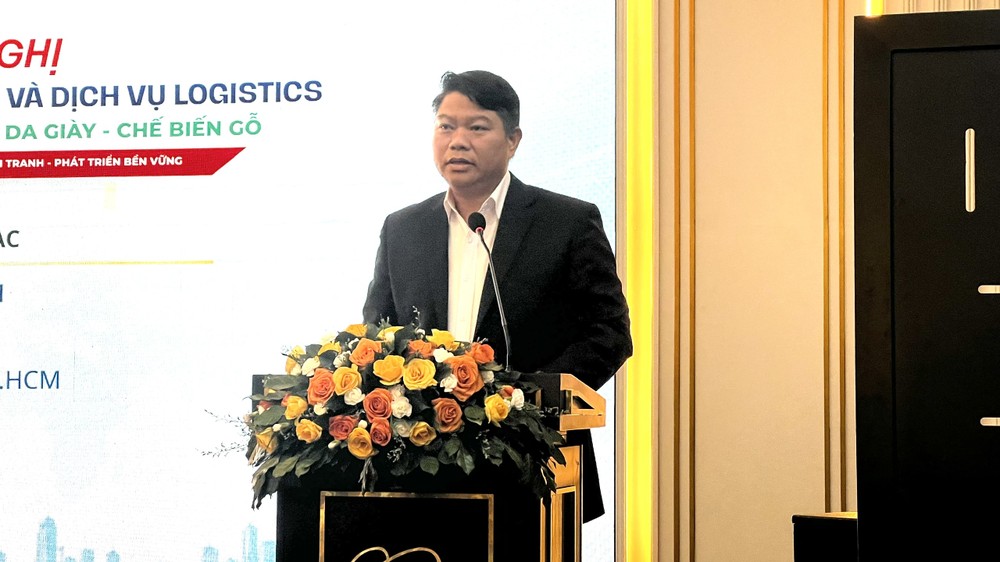
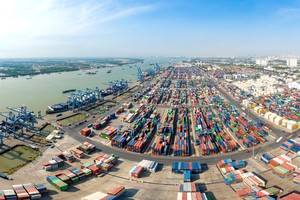
Industry representatives noted that businesses continue to grapple with elevated logistics expenses, limited connectivity between production areas and seaports, reliance on foreign shipping lines, seasonal shortages of empty containers, and growing compliance obligations related to green trade regulations. To maintain export orders and expand market access, companies must also ensure supply chain transparency, accurate emissions data, and on-time deliveries.
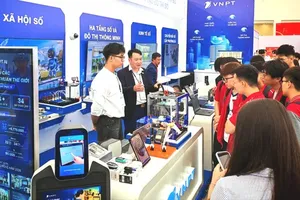
Ms. Dang Minh Phuong, Chairwoman of the HCMC Logistics and Ports Association, said improving competitiveness requires businesses to accelerate digital transformation, adopt advanced technologies, and optimize supply chain management. She also stressed the need to build a more integrated logistics ecosystem by strengthening cooperation and infrastructure sharing between logistics providers and manufacturers to reduce costs and improve operational efficiency.
Delegates agreed that closer collaboration between manufacturers and logistics firms would not only streamline transportation, warehousing, and supply chain operations but also help businesses meet increasingly stringent international requirements on product traceability, emissions reporting, and environmental standards.
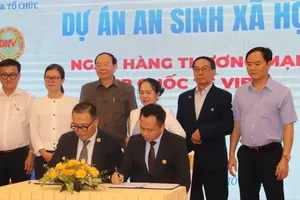
On the occasion, the HCMC Logistics and Ports Association signed cooperation agreements with associations representing the textile and garment, footwear, wood-processing, and import-export industries to establish a long-term coordination mechanism between logistics providers and manufacturing enterprises.