According to the Ministry of Industry and Trade, Vietnam currently has three operating fuel ethanol (E100) plants with a combined designed production capacity of approximately 277,000 cubic meters per year.
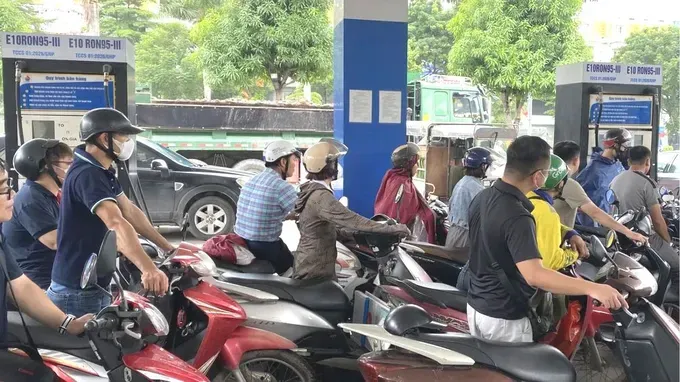
With the country's gasoline consumption averaging about 1 million cubic meters per month, approximately 100,000 cubic meters of E100 are required to produce E10 gasoline. However, domestic production reaches only about 25,000 cubic meters per month, meeting roughly 25 percent of demand. The remaining 75,000 cubic meters must be imported.
Vietnam's three operating ethanol plants, including the Dung Quat Biofuel Plant, the Quang Nam Ethanol Plant and the Dong Nai Ethanol Plant, have a combined designed capacity of 830 cubic meters per day, or about 24,900 cubic meters per month.
In June 2026, the three plants produced a total of 20,875.4 cubic meters of E100, operating at approximately 83.8 percent of their combined monthly designed capacity.
The Dung Quat Biofuel Plant has the largest designed capacity at 330 cubic meters per day. Its operator, BSR-BF, is implementing a production recovery plan that includes switching feedstock from cassava to corn in the third quarter of 2026.
Under the plan, the company aims to raise its average operating rate to 70-80 percent of capacity and conduct trial operations at 125 percent of its designed capacity once technical conditions are met. It also targets increasing its available production capacity to 150 percent.
BSR-BF has developed 14 groups of solutions to improve production technology, enhance operational efficiency and reduce costs. In the fourth quarter of 2026, the company plans to work with universities, research institutes and technology partners to develop sustainable aviation fuel using Ethanol-to-Jet technology, as well as low-carbon methanol produced from biogenic carbon dioxide.
Meanwhile, the Quang Nam Ethanol Plant has temporarily suspended operations to inspect and repair deteriorating equipment and infrastructure. The company said maintenance, equipment upgrades and stable market demand are essential to maintaining production capacity and ensuring a reliable supply of E100.
An additional source of domestic ethanol is expected from 2028 with the An Khe–Gia Lai Ethanol Plant project, which has an investment of more than VND1.7 trillion (approximately US$65 million). The facility is designed to produce 200 cubic meters of anhydrous ethanol per day and is scheduled to begin commercial operations in the first quarter of 2028.
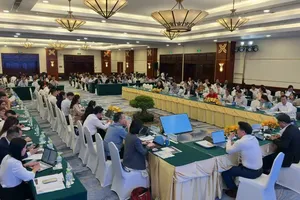
On August 3, Deputy Minister of Industry and Trade Nguyen Sinh Nhat Tan met with E100 producers in the Central region. Industry representatives called for financial support mechanisms, improved access to credit, priority use of domestically produced E100 and the establishment of long-term purchase agreements.
The Vietnam Biofuels Association also proposed restricting exports of dried cassava chips to secure more raw materials for domestic ethanol production and value-added processing.
Deputy Minister Nguyen Sinh Nhat Tan said that the ministry would consolidate the industry's recommendations and coordinate with relevant ministries to report to the Government and the Prime Minister on the results of the two-month evaluation of E10 gasoline's market introduction. The ministry will also study improvements to pricing, tax, fee and market regulation policies to support the long-term development of the E100 ethanol and biofuel markets.