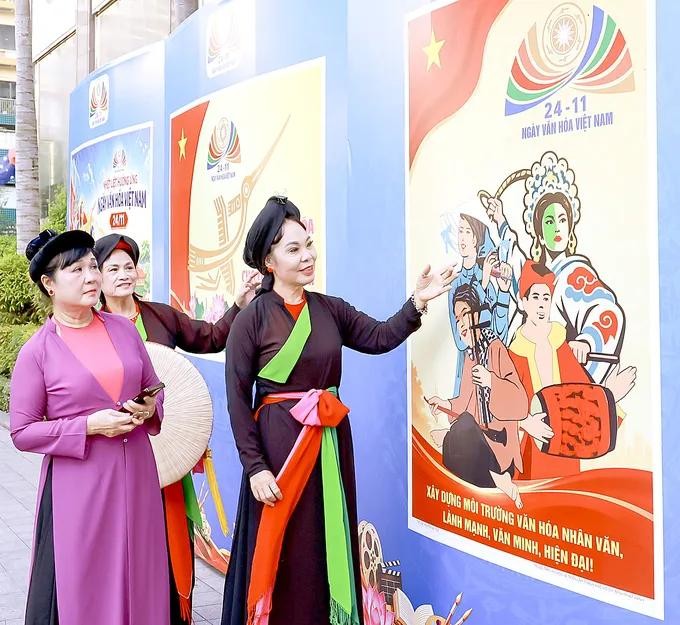
On November 24, 2026, Vietnam Culture Day will be celebrated nationwide for the first time. Employees will be entitled to a paid day off.
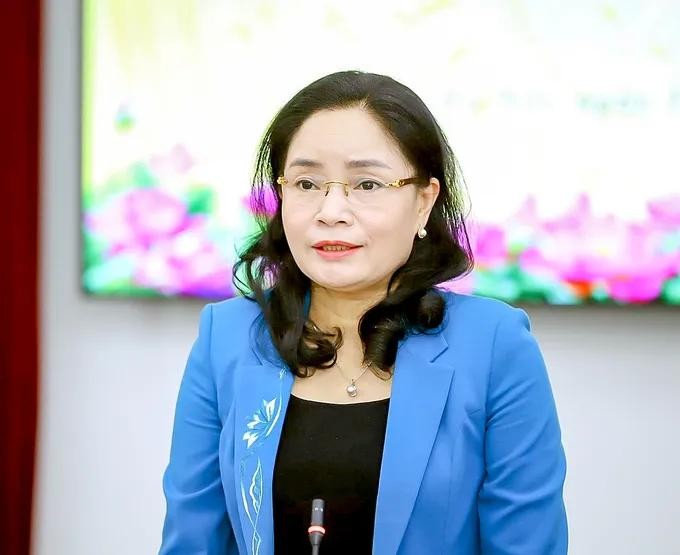
Speaking to Sai Gon Giai Phong (SGGP) newspaper, Deputy Minister of Culture, Sports and Tourism Trinh Thi Thuy emphasized that the day’s significance lies in bringing culture closer to every citizen, allowing its positive values to take root in families and communities and become part of everyday life.
In 2026, Vietnam Culture Day (November 24) will be celebrated for the first time. This year, the cultural sector is focusing on expanding access to culture and increasing experiential activities, moving beyond a primary emphasis on formal commemorative ceremonies.
Accordingly, numerous museums and historical sites such as the National Museum of History, the Vietnam Fine Arts Museum, the Vietnam Museum of Ethnology, and the Independence Palace as well as national parks including Cuc Phuong, Bach Ma, Tam Dao, and Yok Don, will offer free admission on November 24.
The National Cinema Center and various local movie theaters will host free screenings of Vietnamese films and offer promotional ticket deals. These initiatives provide greater opportunities for families, particularly workers and low-income earners, to enjoy and engage with cultural offerings.
The cultural sector is also encouraging museums, historical sites, and cultural centers to shift from one-way presentations toward dynamic and experiential activities.
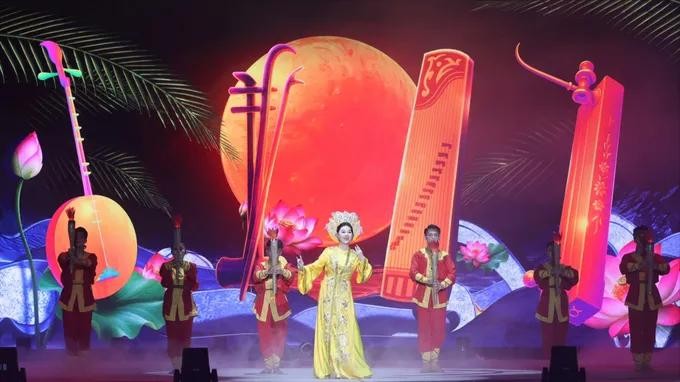
Beyond traditional sightseeing and guided tours, the public, particularly the younger generation, can engage directly with heritage by exploring traditional crafts, listening to stories shared by artisans, enjoying street performances, and participating in folk games. Rooted in personal memory and emotion, these immersive experiences bring the celebration to life and empower individuals to become active ambassadors of cultural values.
Vietnamese Culture Day is seen as an opportunity to inspire public interest, national pride, and a shared sense of responsibility toward preserving the country's heritage. Sustaining this momentum requires coordinated efforts across the political system and social organizations, alongside the active, voluntary engagement of every citizen.
When families foster compassion, schools instill positive values, and residential communities uphold solidarity and civility, culture becomes both the spiritual foundation and an intrinsic driving force for sustainable national development.
Deputy Minister of Culture, Sports and Tourism Trinh Thi Thuy
While residents in major urban centers like Ho Chi Minh City and Hanoi enjoy ample opportunities to engage in cultural activities, a gap in cultural access still persists for workers in industrial zones, as well as for communities living in remote, mountainous, border, and island regions.
"This is an essential measure of the humanistic values and fairness underpinning our policies. All citizens whether they live in cities, rural communities, mountainous areas, or remote islands have the right to access, create, and enjoy culture. The guiding principle is to ensure that no one, wherever they live, is excluded from activities marking Vietnam’s Culture Day," Deputy Minister Trinh Thi Thuy said.
More than 400 cultural events are being held nationwide for the occasion, from the central level to local communities. Localities are encouraged to showcase their distinct identities and weave cultural activities into everyday community life, rather than relying on rigid, formulaic, or merely superficial approaches.
For workers, laborers, and residents in disadvantaged areas, the Ministry of Culture, Sports and Tourism is focusing on leveraging grassroots cultural infrastructure. This includes expanding mobile cinema screenings and traveling library services, as well as bringing performing arts troupes to industrial zones, remote and isolated regions, border guard stations, and islands.
The cultural sector has recognized that it is not enough to simply wait for the public to come to cultural institutions; instead, culture must be proactively brought to where people live, study, and work. Whether it is a film screening at an industrial park, an artistic performance for highland communities, or a mobile library visiting a distant area, such initiatives help bridge the gap in cultural access.
More importantly, these activities must be tailored to the specific needs, living conditions, and cultural characteristics of each community. By directly participating and showcasing the beauty of their own local heritage, residents not only enjoy these cultural offerings but also contribute to preserving, passing on, and enriching the nation’s cultural identity.
The deeper value of culture must be reflected in everyday life rather than solely through physical monuments, heritage sites, or large-scale events. Far from being lofty or remote, culture is evident in daily communication, mutual kindness, ethical conduct in workplaces and businesses, and responsible behavior online.
The cultural sector has consistently recognized the family as the foundation where core values are nurtured, the school as an environment for education and character development, and the community as a space where traditions are practiced, preserved, and passed down. Closely interconnected, these three pillars work together to shape individual habits, lifestyles, and personal identity.
As rapid urbanization and digital transformation reshape modern society, communities face shifting lifestyles, declining social norms, growing indifference, and the impact of harmful content on social media. Amid these challenges, culture serves as an adaptable yet enduring guide for social conduct.
The law establishes rules and penalties to maintain social order, while culture, ethics, and personal responsibility encourage each person to respect shared standards through their own understanding and convictions. The sector’s aim, therefore, is to organize meaningful cultural activities that bring about changes in people’s awareness and behavior.
Positive values must be fostered continually through education at home and in schools, the development of healthy cultural environments in workplaces and residential communities, and activities that bring people together.
The Deputy Minister emphasized that while November 24 is a nationwide celebration, its true vitality rests not merely on official policies or large-scale events, but on the everyday choices and actions of individual citizens and families.
She encouraged Vietnamese people of all generations to dedicate time on this occasion to a cultural encounter with themselves and their loved ones. Such moments can take many forms, from watching a Vietnamese film together, visiting a local museum or historical site, and reading a book, to maintaining a clean and green living environment or simply sharing kinder words and gestures in daily life.
Vietnamese Culture Day offers a chance to foster meaningful habits and positive conduct within homes and neighborhoods, ensuring that culture thrives as a natural and integral part of daily life.