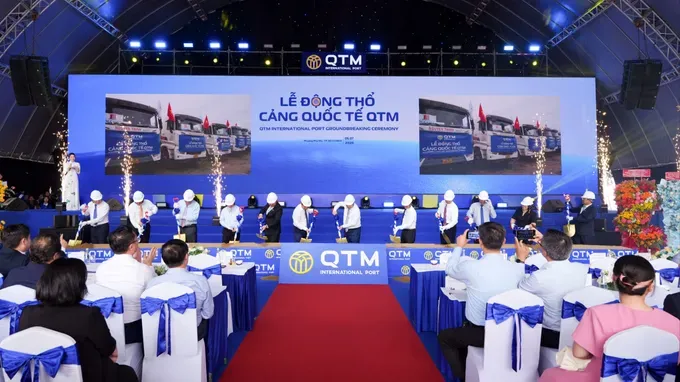
With a total investment of nearly VND6.9 trillion (US$262 million), the project is expected to enhance port operations and logistics capacity in the Cai Mep-Thi Vai port cluster.
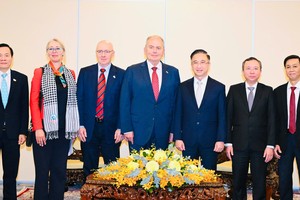
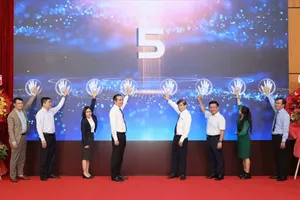
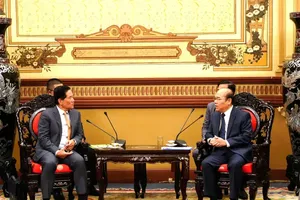
Attending the ceremony were Secretary of the Party Central Committee and Standing Deputy Prime Minister Pham Gia Tuc; Chairman of the Ho Chi Minh City People's Committee Nguyen Van Duoc; Chairman of the Ho Chi Minh City People's Council Vo Van Minh; Vice Secretaries of the Ho Chi Minh City Party Committee Dang Minh Thong and Van Thi Bach Tuyet; Vice Chairman of the Ho Chi Minh City People's Committee Hoang Nguyen Dinh; along with leaders of ministries, agencies, and localities.
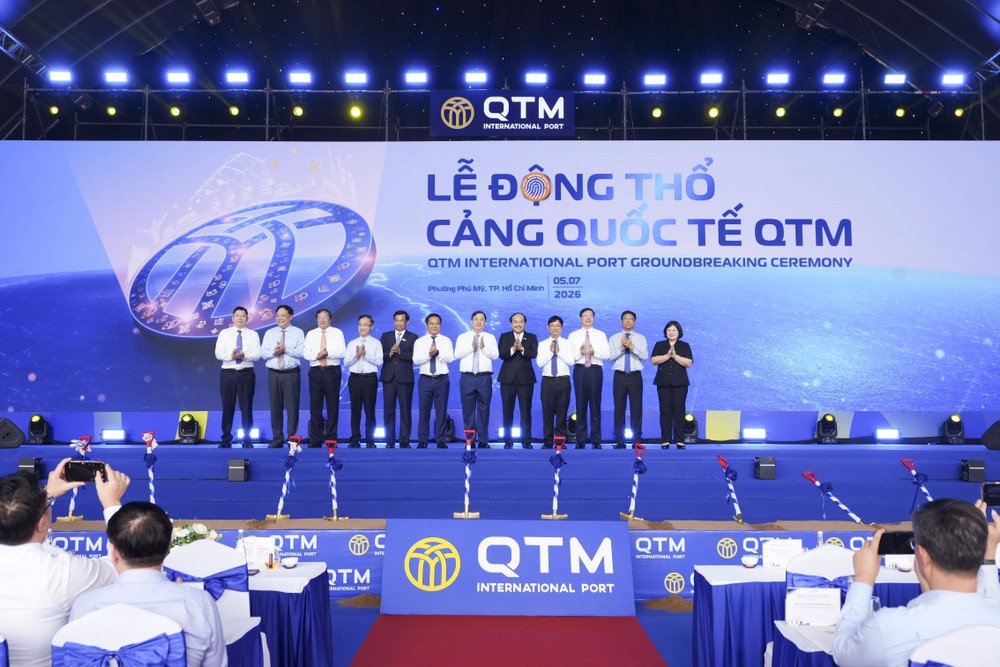
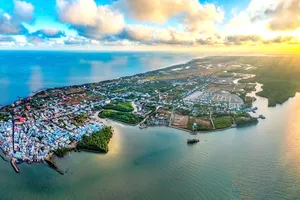
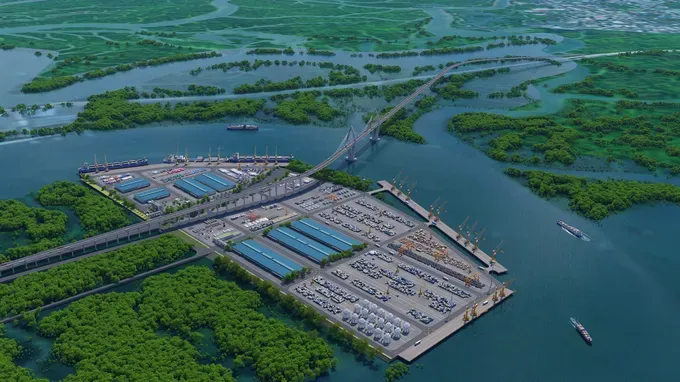
According to the investor, QTM International Port will be developed on an area of more than 80 hectares within the Cai Mep-Thi Vai deep-water port cluster. The project is designed as an integrated seaport and logistics ecosystem, connecting port facilities with warehousing, cold storage, transportation, distribution, and other supply chain support services.
With a total investment of VND6.869 trillion, the project will be implemented in two phases from 2026 to 2033. Phase 1 (2026-2029) includes the construction of three berths capable of accommodating vessels of up to 100,000 DWT, with an annual cargo-handling capacity of 7.5 million tonnes. Phase 2 (2030-2033) will complete a total of eight berths with a combined quay length of approximately 1,817 meters, increasing the port's total handling capacity to around 16 million tonnes of cargo per year.
In line with its development strategy, the port will focus on handling bulk cargo, including agricultural products, grains, animal feed, and construction materials, while also expanding container services. It will be integrated with a network of cold storage facilities, bonded warehouses, container freight stations (CFS), and interregional logistics services to enhance supply chain efficiency.
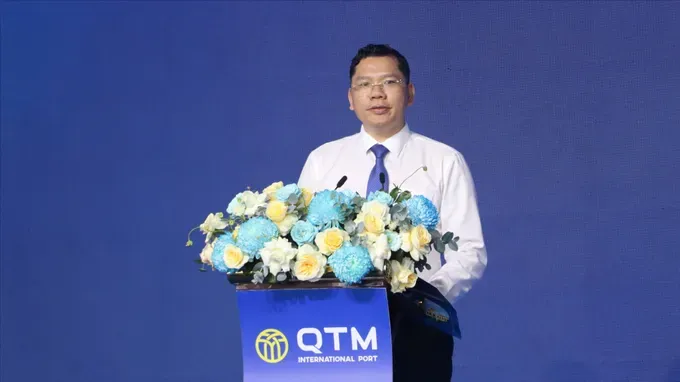
Mr. Nguyen Hoang Hai, Chairman of the Board of Directors of QTM International Port Joint Stock Company, said the project forms part of a broader initiative to develop a modern logistics ecosystem, contributing to stronger trade connectivity, lower logistics costs, and enhanced competitiveness for Vietnamese businesses.
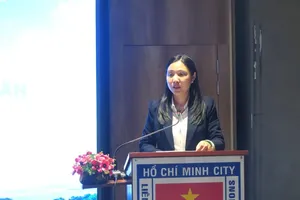
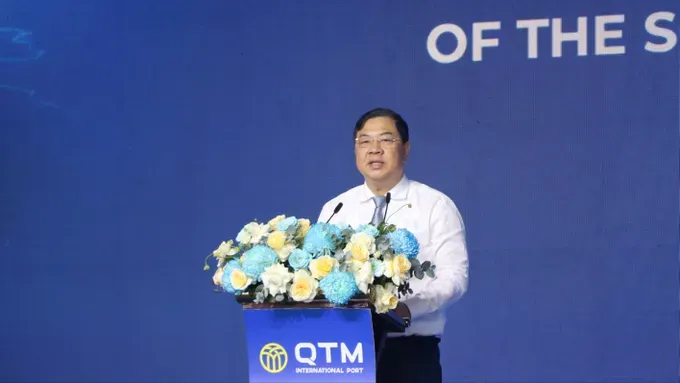
Speaking at the ceremony, Vice Chairman of the Ho Chi Minh City People's Committee, Hoang Nguyen Dinh, said that the growing demand for cargo transportation has made investing in modern seaport and logistics infrastructure an urgent necessity. In the first six months of the year, the volume of cargo transported by sea and inland waterways in the city increased by 7.03 percent compared with the same period last year.
Following the merger of the three localities, demand for raw materials and freight transportation is expected to continue rising, requiring Ho Chi Minh City to develop an integrated logistics system capable of providing both regional and international connectivity. The city also reaffirmed its commitment to supporting the investor and creating favorable conditions to ensure the project is implemented on schedule.
In his keynote address at the ceremony, Standing Deputy Prime Minister Pham Gia Tuc emphasized that, with more than 3,200 kilometers of coastline and approximately one million square kilometers of maritime area, Vietnam is well positioned to capitalize on significant opportunities for the development of its marine economy. He noted that the Government is actively implementing the Party Central Committee's Resolution No. 36 on the sustainable development of the marine economy, while also preparing to introduce new mechanisms and policies to create greater momentum for the sector in the coming years.
Under the Logistics Services Development Strategy to 2030, Vietnam aims to become a major logistics hub in the region and the world. To achieve this goal, he stressed, it is essential to develop an integrated system of seaports, transport infrastructure, and logistics facilities. Such investments will help reduce logistics costs—which currently account for approximately 14-16 percent of the value of goods—thereby enhancing the competitiveness of the national economy.
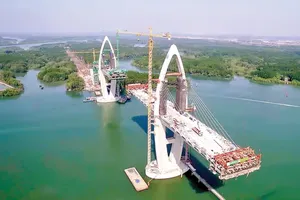
According to the Standing Deputy Prime Minister, the QTM International Port project occupies a strategic location within the Cai Mep-Thi Vai port cluster, with direct connectivity to Phuoc An Bridge, regional expressways, Ho Chi Minh City Ring Road No. 3, Ring Road No. 4, and Long Thanh International Airport. Once completed, the project is expected not only to enhance cargo handling capacity but also to provide fresh momentum for the development of the southern region's logistics network, contributing to Ho Chi Minh City's goal of achieving double-digit economic growth in the coming years.
He urged the investor to mobilize adequate resources, adopt advanced technologies, and ensure construction quality, occupational safety, and environmental protection. He also called on the investor to work closely with ministries, central agencies, and local authorities to accelerate project implementation and bring the port into operation at the earliest opportunity.