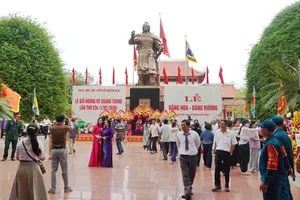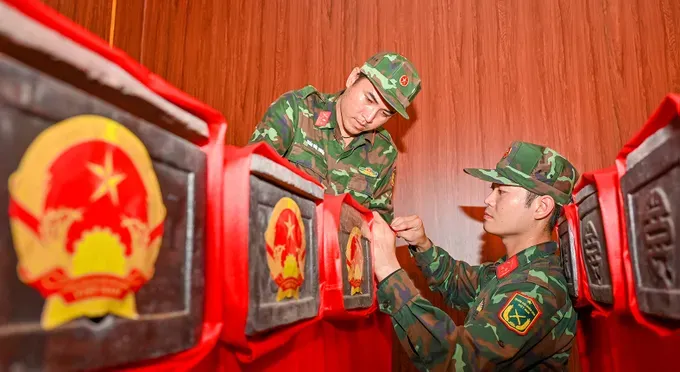
This endeavor aims to restore the names of the nation's heroic fallen and bring them home to their families and homelands. This sacred journey is an imperative of the heart—driven by nationwide resolve and supported by the joint efforts of numerous international organizations.
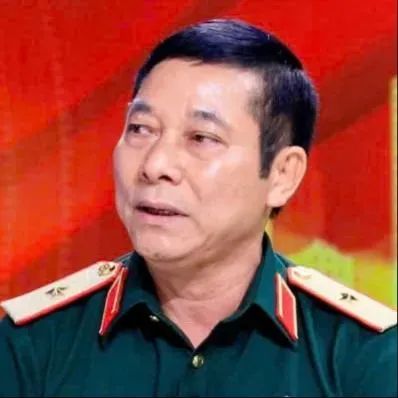
Major General Nguyen Khac Nhan, Deputy Political Commissar of the Hanoi Capital Command, said that Hanoi will complete sampling of unidentified martyrs' remains before December.
Immediately after the National Steering Committee for the Search, Recovery and Identification of Martyrs' Remains launched the "500 Days and Nights Campaign," Hanoi promptly rolled out the campaign with a proactive, resolute yet cautious approach, adhering to the principle of ensuring that every step is carried out thoroughly and accurately.
The city is simultaneously focusing on three key tasks, including searching for and recovering martyrs' remains across Hanoi; collecting biological samples from martyrs' relatives; and obtaining samples from unidentified martyrs' remains for DNA analysis. Hanoi currently has 340 martyrs' cemeteries containing more than 53,700 graves, many of which remain unidentified.
The collection of samples from martyrs' remains is being carried out at three cemeteries managed by the city and 337 cemeteries under the administration of 126 communes and wards. The goal is to complete the collection and handover of samples from all unidentified martyrs' graves across the city's 340 cemeteries. The work will begin in August and be completed before December 31. Under the plan, the Hanoi Steering Committee for the Search, Recovery and Identification of Martyrs' Remains will complete sampling at the three city-managed cemeteries before November, while communes and wards will finish sampling at their local cemeteries before December.
The greatest challenge is that many eyewitnesses have passed away, landscapes have changed over time, and numerous records and documents have been lost or deteriorated. The campaign is therefore viewed as a race against time to preserve the last remaining clues before they disappear forever.
All participating forces are determined to carry out the campaign effectively and fulfil their assigned responsibilities to the highest standard. The search, recovery and identification of martyrs' remains is regarded not only as a political task but also as a profound tribute to the heroes who sacrificed their lives for the nation.

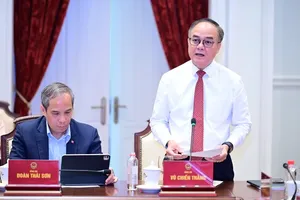
According to Deputy Minister of Health Tran Van Thuan, the "500-Day Campaign" is entering an accelerated phase.
This is more than a political duty; it is a profound act of gratitude and humanity, a sacred nationwide mission, and a concrete effort to honor the tradition of remembering those who sacrificed for the country. Ultimately, the campaign seeks to pay tribute to heroic fallen soldiers while fulfilling the deep longings of their families and the Vietnamese public.
DNA testing to identify the remains of fallen soldiers is a highly specialized task requiring rigorous expertise, strict quality control, and absolute precision. In response, the Ministry of Health has established standardized technical protocols for DNA sampling and forensic analysis. It is also collaborating closely with the Ministry of National Defense, the Ministry of Public Security, and relevant agencies to ensure seamless execution. Driven by maximum effort, the campaign aims to restore the true identities of these heroic fallen soldiers and return them to their families and homelands as swiftly—and accurately—as possible.
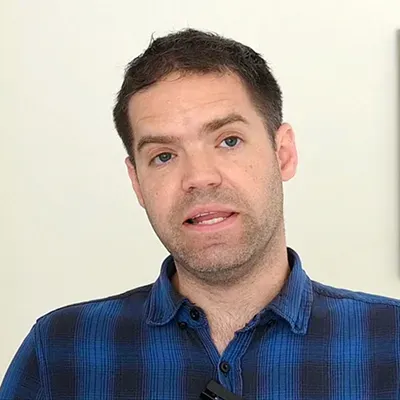
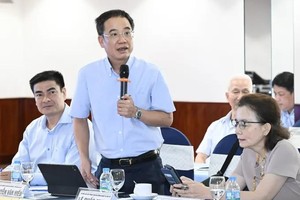
Mr. David Swanepoel, DNA Analyst at the International Commission on Missing Persons (ICMP), said that restoring the identities of fallen soldiers is being carred out as soon as possible.
"We have been supporting DNA testing for the DNA Identification Institute under the Vietnam Academy of Science and Technology for four years now. Throughout our collaboration with Vietnamese scientists, we have observed an exceptionally high level of scientific expertise. They are deeply committed professionals who deliver under high-pressure conditions to achieve the most accurate DNA results. Vietnamese scientists consistently maintain high-quality standards during the testing process to ensure the best possible outcomes. Through this assistance project, we strive to help families of fallen soldiers reunite with their loved ones who sacrificed their lives during the war, bringing them home as swiftly as possible," he added.
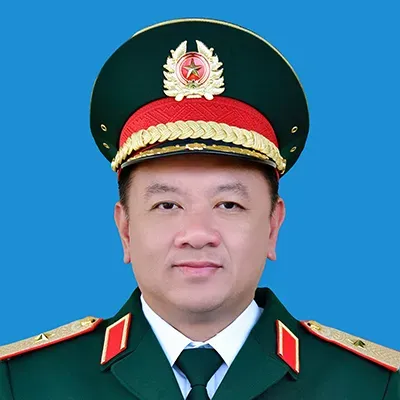
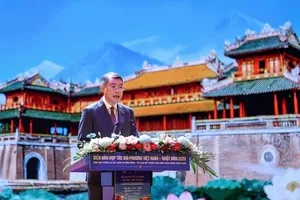
Major General Nguyen Thanh Trung, Political Commissar of the Ho Chi Minh City High Command and Standing Vice Chair of the HCMC Steering Committee for Searching, Gathering, and Identifying Fallen Soldiers’ Remains, emphasized that returning heroes home is an imperative of the heart.
"The ‘500-Day Campaign’ is a high-priority political mission that reflects the Vietnamese people's tradition of "When drinking water, remember its source", and the nation's profound gratitude to those who gave their youth and shed their blood for the independence and freedom of the Fatherland. The search operation at Le Thi Rieng Park stands as clear proof of this commitment. As of July 20, recovery teams have retrieved the remains of 100 fallen soldiers and two mass graves while continuing to expand the search perimeter and preparing to survey suspected mass grave sites at Tan Son Nhat International Airport.
At the site, the Ho Chi Minh City High Command consistently enforces a meticulous, scientific, and thorough approach. Exhumations are carried out layer by layer to support historical research and optimize conditions for subsequent DNA identification. From the outset, the High Command advised the steering committees of both Ho Chi Minh City and Military Region 7 to secure all necessary resources for the recovery effort. This included establishing a temporary command center and a dedicated DNA sampling area, alongside mobilizing specialized units for technical work, field documentation, logistics, security, and communications. Every measure aims to ensure that the recovery process is conducted with absolute safety, proper protocols, and full solemnity.
“Parallel to the search operations, Ho Chi Minh City is accelerating DNA sampling to restore the identities of unidentified fallen soldiers. The city currently holds 9,885 graves lacking full information that require DNA sampling. Of these, 1,373 samples have been collected to complete the remaining cases this year. Though the road ahead poses many challenges, we remain confident that with the guidance of the Party, the State, and national steering authorities, and with the support of scientists, veterans, witnesses, and the public, every remaining lead will eventually be reconnected. ”, Major General Nguyen Thanh Trung said.