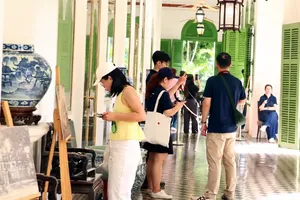
On the morning of June 24, the Dong Nai City People's Committee announced a decision recognizing the Soc Bom Bo Historical Site as a National Historic Relic and another decision adding the “Traditional Hand-Pounding Rice Practice of the S’tieng and M’nong People” to the National List of Intangible Cultural Heritage.
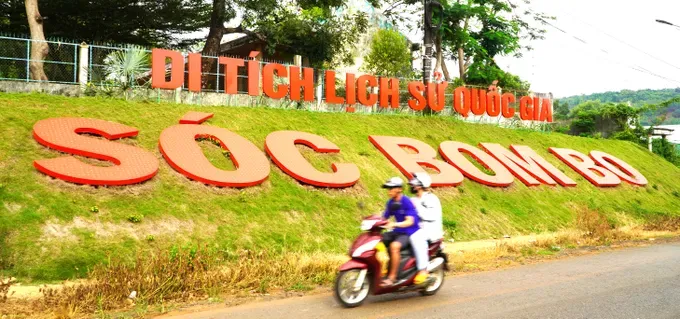
Under Decision No. 3241/QD-BVHTTDL dated September 9, 2025, issued by the Ministry of Culture, Sports and Tourism, the Soc Bom Bo Historical Site was officially designated a National Historic Relic.
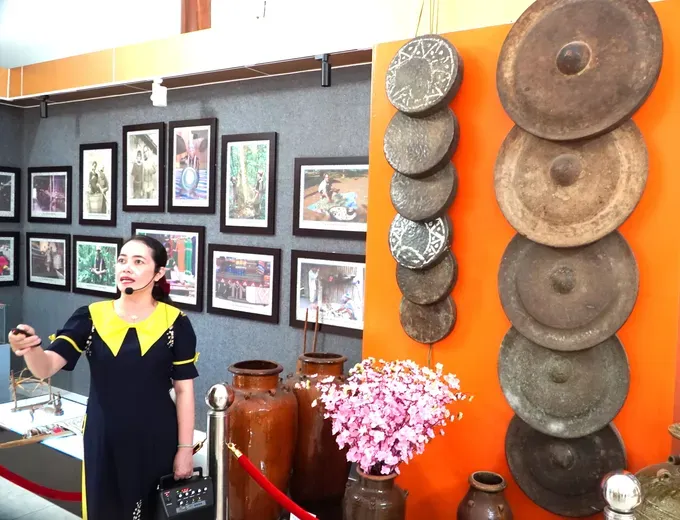
The site preserves more than 100 artifacts, including ivory earrings, bronze bracelets, and sets of gongs. These items provide valuable insight into the cultural life, daily activities, and spiritual beliefs of the S’tieng people throughout different periods of history.

The site also preserves and promotes three traditional S’tieng crafts including basket weaving, brocade weaving, and the production of rice wine, with 40 community members actively practicing and passing on these skills.
These activities help safeguard ethnic cultural identity while creating livelihoods, strengthening community ties, and supporting tourism and visitor experiences.
In recent years, Dong Nai has invested in the development and completion of the Soc Bom Bo S’tieng Cultural Conservation Area, including a range of facilities aimed at preserving and promoting traditional cultural values.
The Soc Bom Bo site attracts between 17,000 and 20,000 visitors each year, including international tourists and researchers.
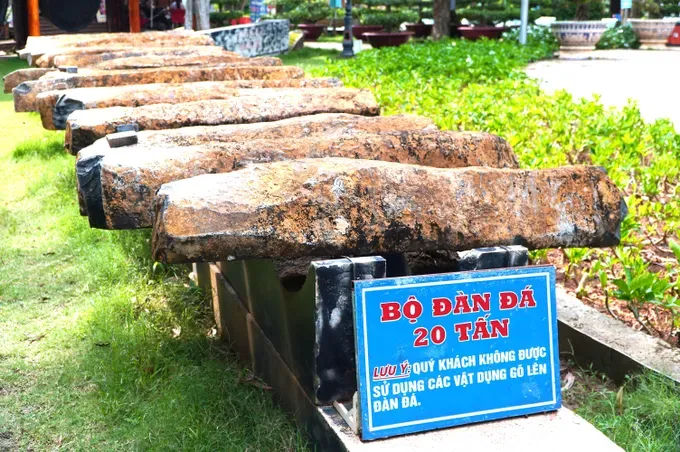
Visitors can experience the traditional hand-pounding rice practice, enjoy performances featuring stone musical instruments and gong ensembles, and explore traditional longhouse architecture.

Under Decision No. 2199/QD-BVHTTDL dated June 27, 2025, issued by the Ministry of Culture, Sports and Tourism, the “Traditional Hand-Pounding Rice Practice of the S’tieng and M’nong People” was added to the National List of Intangible Cultural Heritage.
The practice is a distinctive cultural tradition of ethnic minority communities in southeastern Vietnam, reflecting the long-standing way of life, customs, and cultural identity of the S’tieng and M’nong peoples.
The announcement of these two decisions aims to recognize the historical and cultural value of Soc Bom Bo, while also raising community awareness in preserving and promoting heritage in conjunction with the development of cultural and ecological tourism in the locality.