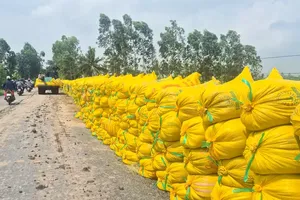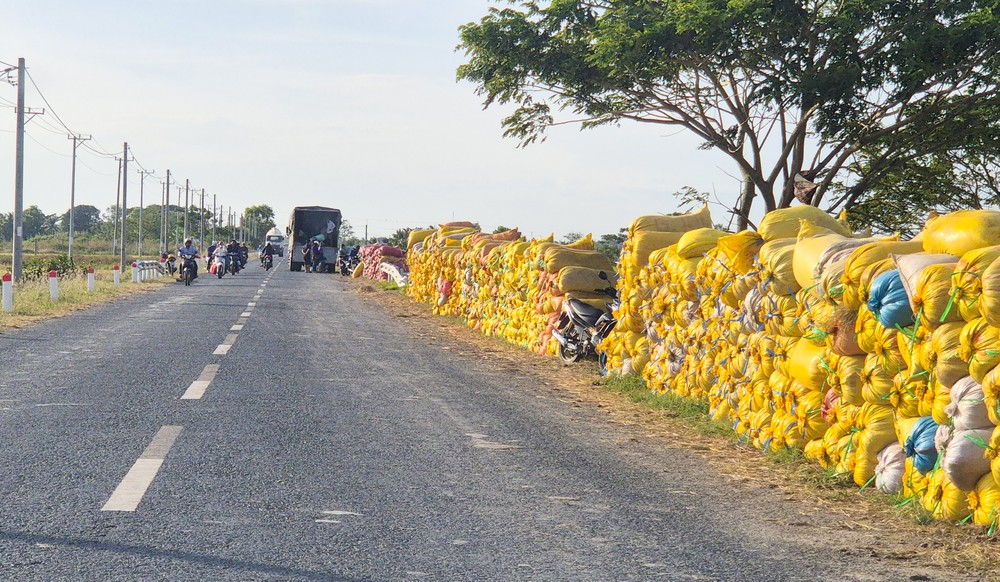
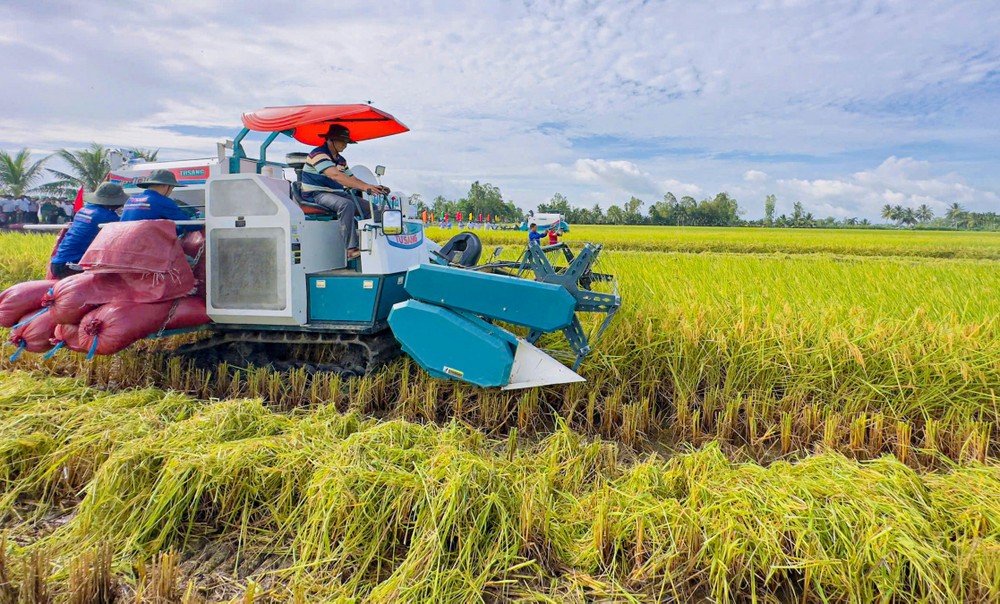
According to the municipal Department of Agriculture and Environment, the 2025–2026 winter–spring rice crop in Can Tho covered more than 312,600 hectares. Farmers have harvested over 70 percent of the area, with average yields estimated at above 7.2 tons per hectare. The remaining 94,450 hectares are expected to be fully harvested by late April to early May, generating around 650,000 tons of paddy requiring market absorption.
Farmgate prices have declined, currently ranging from VND4,900 to VND7,750 per kilogram, down VND100–2,550 year on year, equivalent to a drop of 2 percent to 25 percent. Specifically, ST25 rice is priced at VND6,800–7,750 per kilogram; Dai Thom 8 at VND5,700–6,100; OM18 at VND5,800–6,000; OM5451 at VND4,900–5,600; and VNR20 at VND5,300–5,600.
Beyond falling prices, the crop has been affected by global market fluctuations, which have pushed production costs up by 10 percent to 20 percent. Fertilizer and plant protection chemicals have risen by 15 percent to 30 percent, while fuel and production services have increased by 10 percent to 20 percent, significantly eroding farmers’ profit margins.
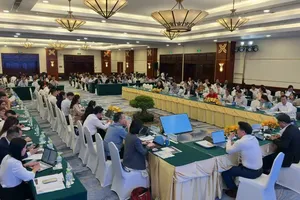
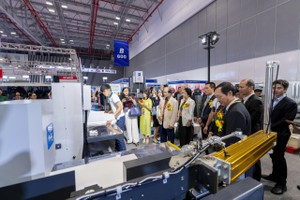
At the meeting, several rice traders and exporters noted that despite government directives urging credit institutions to provide preferential financing for paddy procurement, access to such loans remains constrained in practice. A representative of H.T.P Food Processing JSC said businesses face stringent disbursement conditions when dealing with banks, limiting their ability to scale up purchases and stockpiling to support farmers.
Mr. Tran Quoc Ha, Acting Director of the State Bank of Vietnam Region 14 Branch in Can Tho, reported that as of the end of March 2026, outstanding loans for domestic procurement, consumption, and rice exports in the locality totaled VND23.025 trillion, accounting for 73.71 percent of total rice-sector credit. The figure fell 11.73 percent from end-2025 and 4.79 percent year on year.
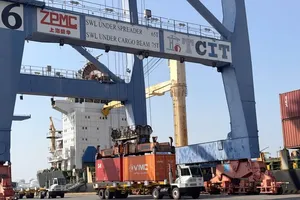
He attributed the modest credit growth partly to external shocks, notably the Philippines’ temporary suspension of rice imports starting September 1, 2025, which directly affected exporters. Although the ban was lifted in early 2026, ongoing regulatory controls have prompted firms to adopt a cautious approach to procurement and export planning.
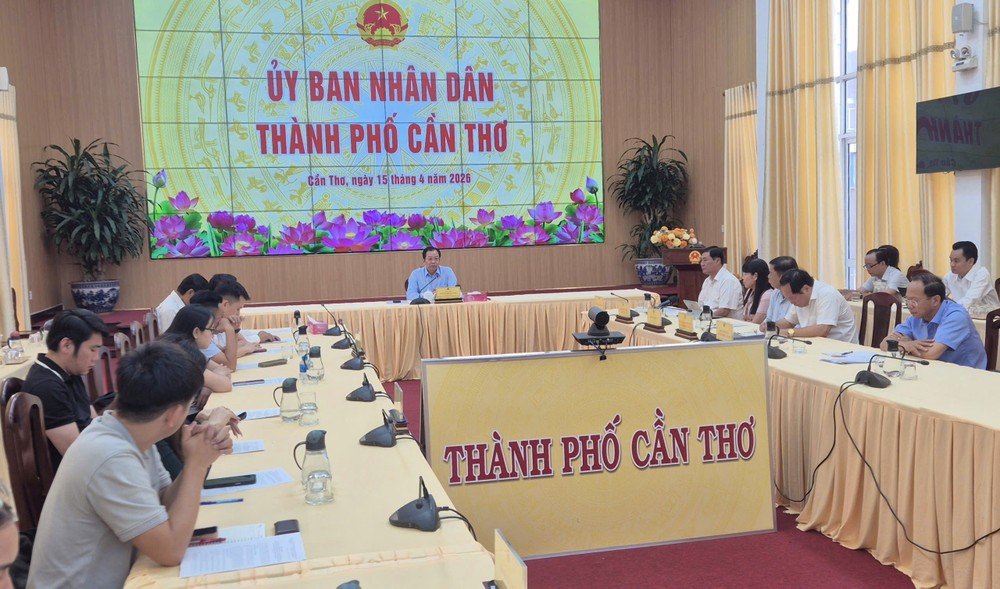
Mr. Tran Quoc Ha added that the most pressing challenge for rice traders is the shortage of short-term working capital. The regional central bank is working with commercial lenders, particularly those with slow credit growth, to facilitate easier access to low-interest loans, while also acting as an intermediary to resolve bottlenecks between banks and businesses.
Vice Chairman of the Can Tho People’s Committee Vuong Quoc Nam called on local banks to ensure adequate funding and accelerate credit disbursement, enabling enterprises to purchase and temporarily store paddy. He also urged relevant sectors and localities to strengthen production-consumption linkages substantively, efficiently, and sustainably; boost trade promotion and market connectivity for both domestic sales and exports; align cropping calendars with market demand; and improve transport and logistics infrastructure for the rice industry.