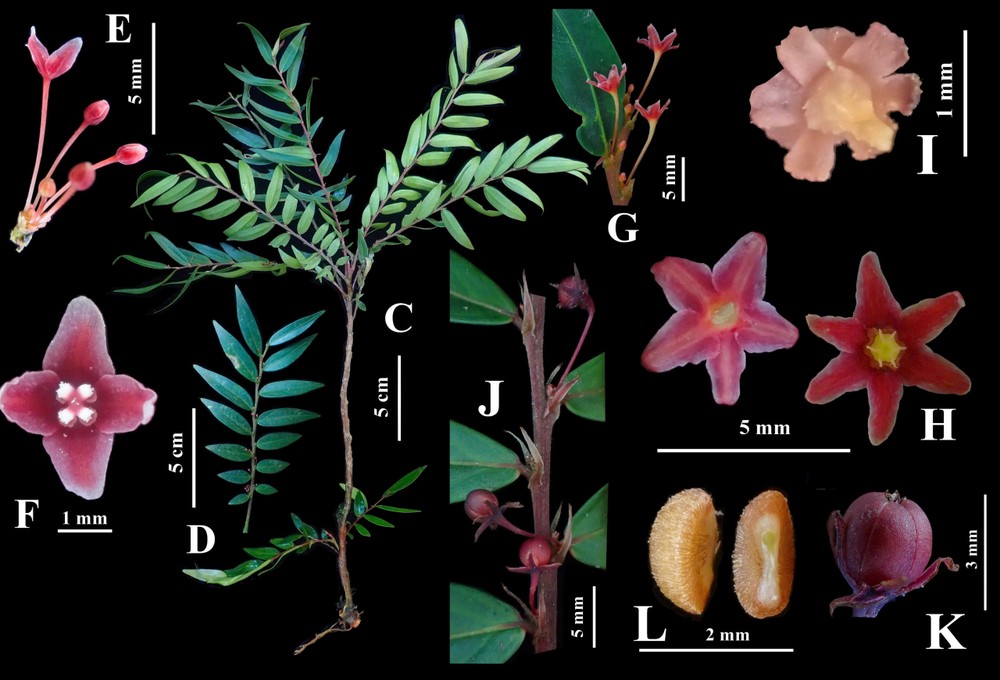
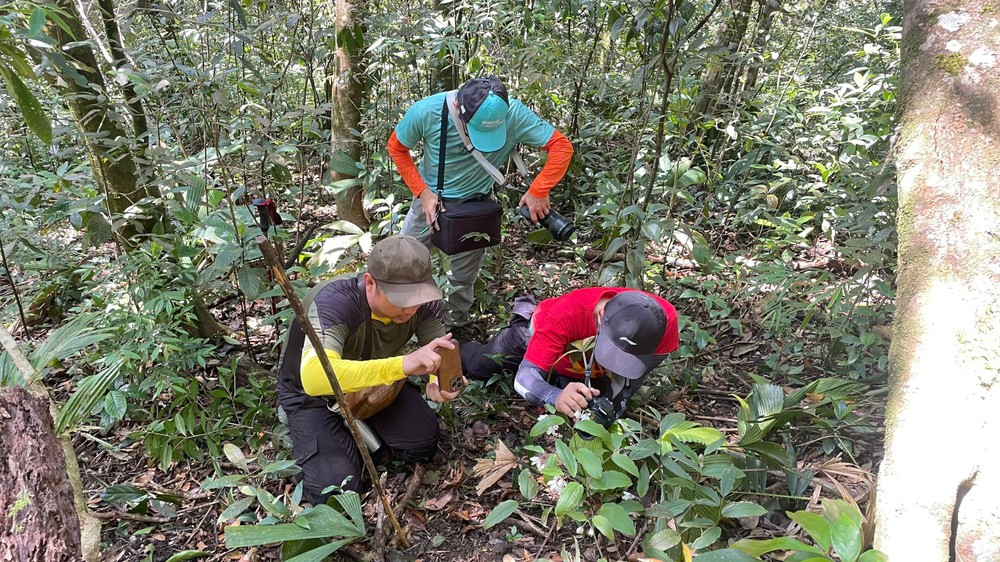
Leaders of the Phong Dien Nature Reserve announced on the morning of February 25 that during biodiversity monitoring activities conducted in the reserve — spanning Phong Dien Ward and parts of A Luoi 1 and A Luoi 5 communes in Hue City — scientists identified and collected a distinctive plant specimen.
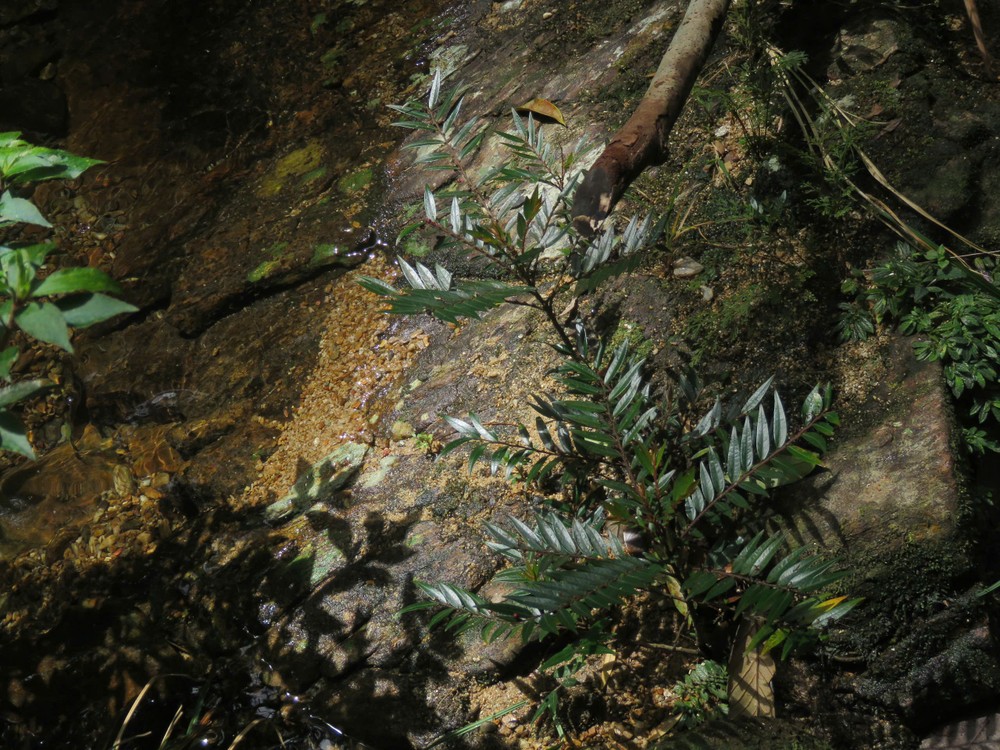
The newly identified species, scientifically named Nymphanthus vietnamensis (Vietnamese name: Diep ha chau Viet Nam), has been officially published in the prestigious international scientific journal Phytotaxa.
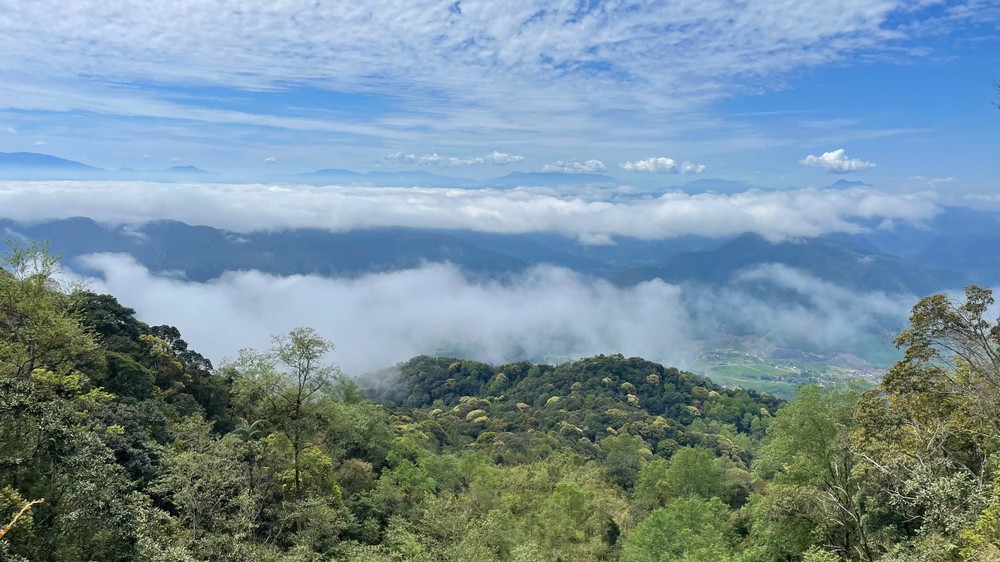
The species is primarily distributed in Quang Tri Province and Hue City. While it bears similarities to N. namkadingensis, it is distinguishable by its slender branchlets bearing 14–30 leaves (compared to 50–60 leaves in N. namkadingensis), leaf blades with three to six pairs of secondary veins, and female floral discs featuring four to six separate rectangular lobes.
The discovery and publication of Nymphanthus vietnamensis once again affirms the exceptional biodiversity significance of the Phong Dien Nature Reserve.