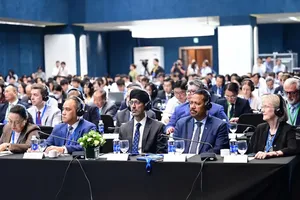
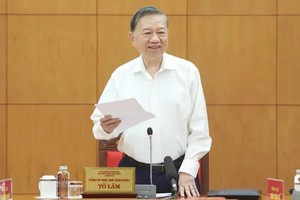
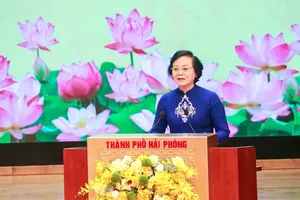
On the morning of August 21, as part of the first extraordinary session in Hanoi, National Assembly deputies discussed in plenary the policy orientations for amending the 2024 Land Law.
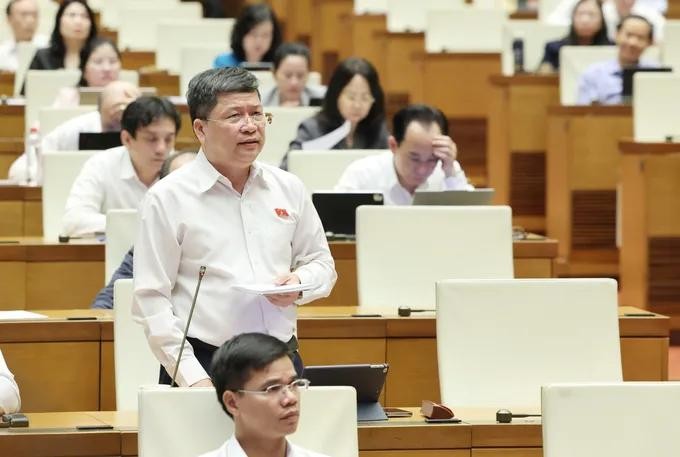
Deputies broadly agreed on the need to amend the 2024 Land Law to continue institutionalizing Resolution No. 21-NQ/TW of the third Plenum of the 14th Party Central Committee on orientations for amending the Land Law and related laws, remove bottlenecks in practice and unlock land resources for development. Land acquisition was among the issues that drew significant attention.
Deputy Ta Van Ha of Da Nang City said a core element of the proposed land policy is to allow land acquisition before compensation, support and resettlement plans are approved in certain special cases. He urged the National Assembly to consider the issue carefully and cautiously.
He said project timelines must be placed on an equal footing with ensuring social welfare, housing and long-term livelihoods for affected residents.
"It is unacceptable for a family whose land is acquired to be forced to move from their current home while the resettlement plan remains unclear and no new housing has been arranged. They would face countless difficulties and disruptions", Deputy Ta Van Ha said.
According to the deputy, compensation for site clearance is not simply about how much money is paid to residents. The key is to rebuild and stabilize the lives of affected families and residential communities. He expressed concern that localities could abuse the provision, turning an exception into a common practice.
Therefore, he proposed that if a special mechanism is genuinely necessary, strict and specific regulations should be established on the criteria, scope of application and compensation and support responsibilities of implementing agencies. The issue should also undergo a comprehensive impact assessment and extremely careful consideration.
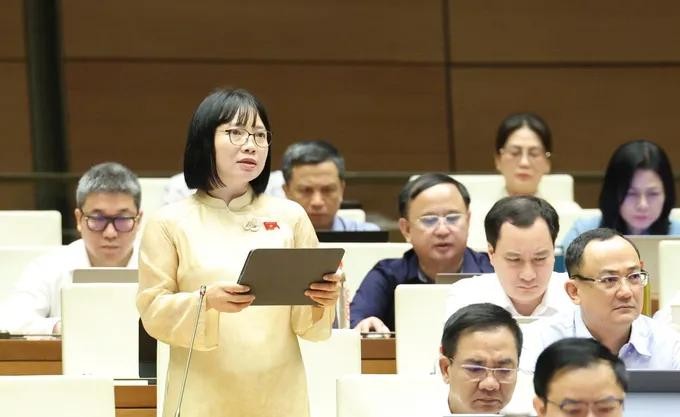
Deputy Nguyen Thi Viet Nga of Hai Phong City called for careful consideration of the mechanism under which the State would acquire the remaining land if an investor has reached agreements covering more than 75 percent of the land area and more than 75 percent of land users. When the State acquires the remaining 25 percent, she said, the relationship shifts from a civil agreement to the exercise of public authority.
She said the mechanism should not be based solely on the two 75-percent thresholds. It should also take into account the project scale, the absolute number of people who have not agreed, the type of land to be acquired, particularly residential land, and the extent to which people's housing and livelihoods are affected.
According to Deputy Viet Nga, the draft stipulates that people whose land is acquired must receive compensation no lower than the average level of the agreed land prices. However, the draft must clarify how the "average level" is determined so that a mechanism intended to protect residents does not become a new source of disputes.
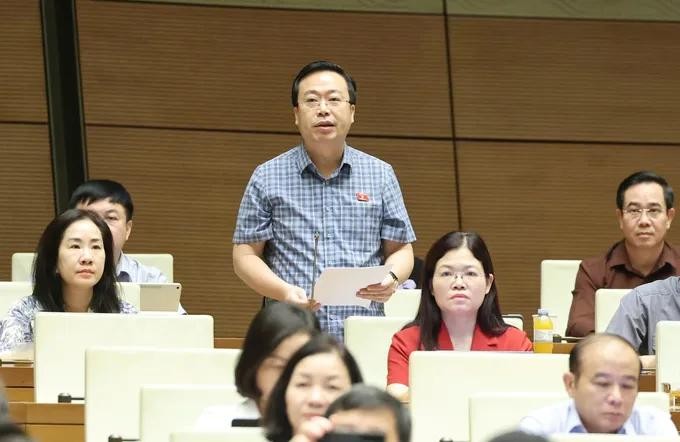
Deputy Nguyen Dai Thang of Hung Yen Province said Resolution No. 21 has introduced a new approach, shifting from simply compensating for assets to rebuilding the lives of people whose land is acquired.
While supporting this approach, Nguyen Dai Thang said that, alongside clearly defining cases in which land may be acquired, particular attention must be paid to ensuring people's lives and livelihoods after their land is acquired. This should be a consistent principle in designing compensation, support and resettlement policies.
Nguyen Dai Thang proposed further improving the regulations by more specifically addressing the need to rebuild people's lives and ensuring that those whose land is acquired have housing, living conditions and livelihoods equal to or better than those they had previously. He said regulations should more clearly define the order of priority and conditions for applying different forms of compensation.
For people directly engaged in agricultural production, compensation and support policies should be linked to their ability to continue production or transition to sustainable livelihoods, avoiding situations in which people receive compensation for their assets but struggle to stabilize their lives after their land is acquired.
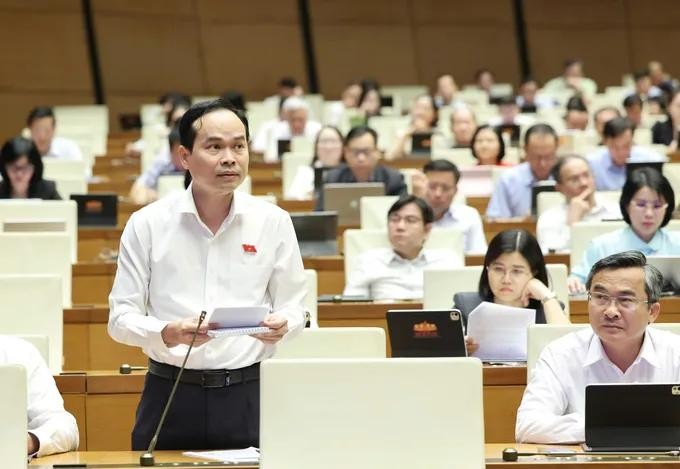
Deputy Nguyen Duy Minh of Da Nang City said the State's responsibility should not be considered to end immediately after compensation is paid. Policies should provide support linked to a period of livelihood recovery following land acquisition.
He also proposed granting individuals whose land is being reclaimed the right to express their preferences regarding resettlement locations, particularly the desire for on-site resettlement, and stipulated that such preferences must be duly recorded and substantively considered when formulating plans for compensation, support, and resettlement.