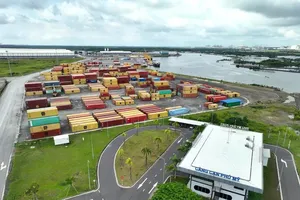
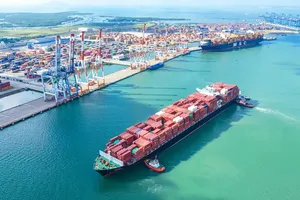
In response, the Government issued a decree late on March 9 adjusting the preferential import tax rates on several petroleum products and fuel production materials.
On March 9, the Government issued Decree No. 72/2026/ND-CP, revising the preferential import tax rates for several gasoline, oil and fuel production materials listed in the Preferential Import Tariff issued together with Decree No. 26/2023/ND-CP on export tariffs, preferential import tariffs, and the list of goods subject to absolute tax, mixed tax and out-of-quota import tax.
The decree aims to help businesses proactively secure import sources and stabilize domestic fuel supply amid escalating tensions in the Middle East, particularly the conflict involving the United States, Israel and Iran, which is strongly affecting the global energy market.
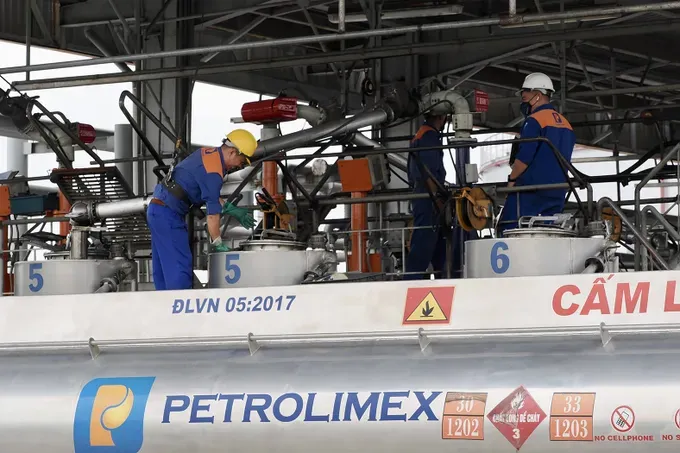
Under the decree, the preferential import tax on unleaded gasoline and blending materials such as naphtha and reformate has been lowered from 10 percent to zero percent.
Preferential import tariffs have also been cut from seven percent to zero percent for diesel, fuel oil, jet fuel and kerosene. Meanwhile, several petrochemical feedstocks such as xylene, condensate and p-xylene have seen tariffs reduced from three percent to zero percent, while other cyclic hydrocarbons are reduced from two percent to zero percent.
The decree takes effect from March 9 to April 30. After it expires, the preferential import tax rates for these items will revert to those stipulated in Decree No. 26/2023/ND-CP.
If necessary to ensure socio-economic development and fuel market stability, the Ministry of Industry and Trade may propose extending the decree’s validity, with the Ministry of Finance submitting the proposal to the Government for approval.
At a meeting on the afternoon of March 9 between the Standing Committee of the National Assembly Party Committee and the Government Party Committee regarding the agenda of the first session of the 16th National Assembly, Prime Minister Pham Minh Chinh said that amid instability in the Middle East, Vietnam has mobilized around four million barrels of oil from partners to ensure immediate supply, helping stabilize market sentiment and people’s livelihoods.
Experts urge the use of stabilization fund to curb fuel price hikes
Under Decree No. 83/2014/ND-CP on petroleum trading, as amended by Decree No. 95/2021/ND-CP, and Circular No. 103/2021/TT-BTC of the Ministry of Finance, the Petroleum Price Stabilization Fund is not used if the base fuel price rises by less than seven percent.
For increases of 7–10 percent, the Ministry of Industry and Trade determines the level of spending after consulting the Ministry of Finance. If the increase surpasses 10 percent, the two ministries will report to the Prime Minister to consider the use of the fund or other stabilization measures.
During the two most recent fuel price adjustments on March 5 and March 7, the ministries did not decide to use the fund despite significant increases in fuel prices. According to the Ministry of Industry and Trade, since late 2023, the fund has neither been used nor required additional contributions during recent price adjustment periods.
Data released by the ministry on January 6, 2026 showed that as of September 30, 2025, the total balance of the Petroleum Price Stabilization Fund held by 27 key fuel traders exceeded VND5.617 trillion (US$214.5 million), including nearly VND3 billion (US$114,568) in interest generated from the positive balance.
Ms. Nguyen Thuy Hien, Deputy Director of the Vietnam Directorate of Market Surveillance under the Ministry of Industry and Trade, said that during the price adjustment on March 5, factors forming the base fuel price increased by more than 10 percent compared to the previous period.
Authorities assessed that the increase could affect production, business activities and people’s livelihoods, and the ministry has reported the situation and possible policy options to the Prime Minister.
According to Mr. Nguyen Tien Thoa, Chairman of the Vietnam Valuation Association, immediate measures are needed to curb the surge in fuel prices and keep them at a level acceptable for businesses and the economy. If the stabilization fund still has sufficient resources, it should be considered to help ease short-term price pressures.
Aviation and rail sectors respond to rising fuel prices
At a meeting held by the Vietnam Civil Aviation Authority on March 9 to discuss solutions to cope with the impact of rising fuel prices, the unit reported that the price of Jet A1 aviation fuel has tripled compared to the period before the conflict in the Middle East. The surge in fuel prices could increase airlines’ operating costs by 60–70 percent.
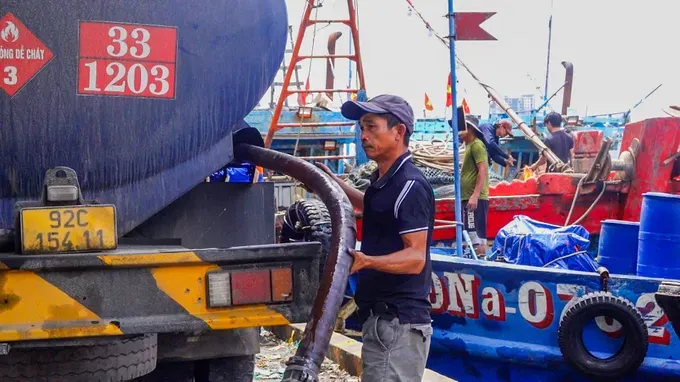
Meanwhile, the sharp rise in diesel prices has also significantly affected airport operations. Representatives of fuel suppliers and airlines said that they would use existing fuel reserves in March and implement fuel-saving measures to meet part of operational demand in April, while seeking new supply sources in the short term.
On the same day, Railway Transport Joint Stock Company announced a 10 percent increase in passenger ticket prices and a 15 percent rise in freight transport charges due to the sharp increase in fuel prices.
Facing pressure from higher fuel costs, several transport companies serving import-export activities in the Ho Chi Minh City area have also adjusted their freight rates. From March 9, Bao Anh Transport Investment Company Limited began applying surcharges on routes transporting goods from Cat Lai Port to customers’ warehouses.