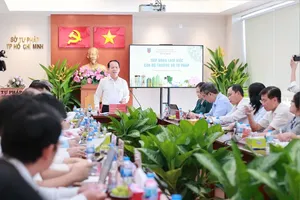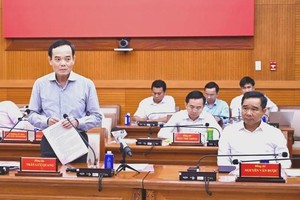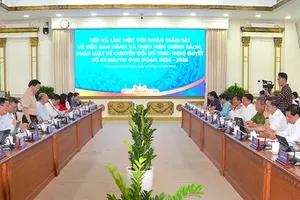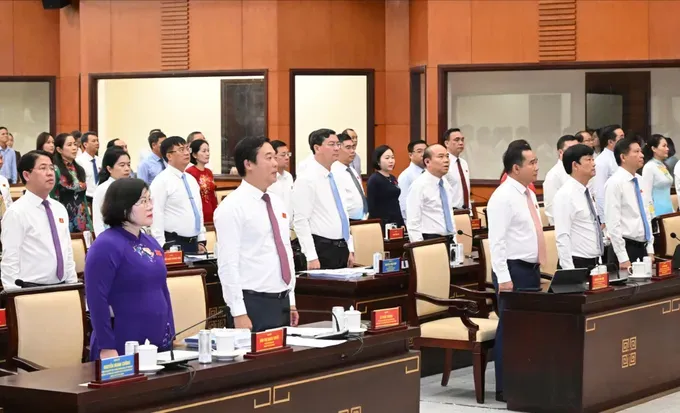
Draft resolutions considered at the fourth session of the 11th-tenure Ho Chi Minh City People’s Council for the 2026–2031 term held on August 27 cover a wide range of areas, including institutions, budget and investment, land, urban infrastructure, government organization, social welfare, environmental protection, science and technology, innovation, and digital transformation.
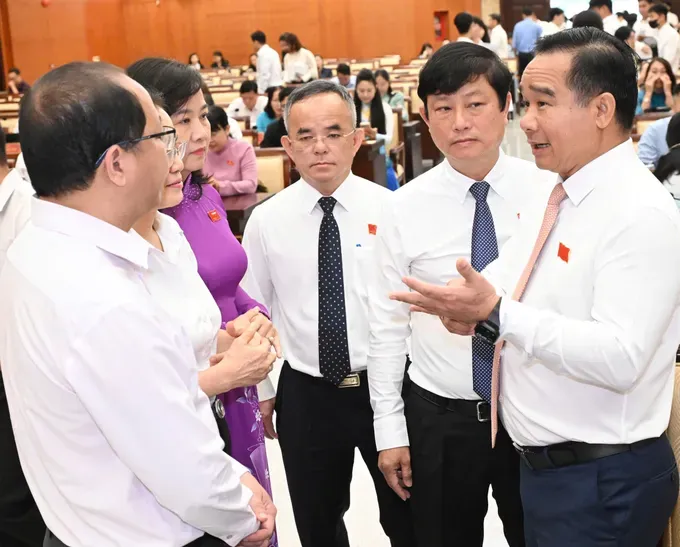
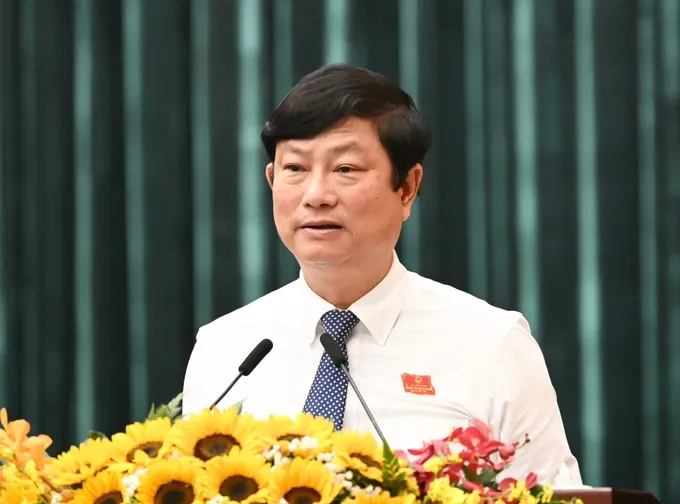
Speaking at the session, Chairman of the Ho Chi Minh City People’s Council Vo Van Minh, Chairman of the Ho Chi Minh City People’s Council, emphasized that the fourth session was taking place at a time when the city was urgently translating numerous guidelines, mechanisms, and policies into concrete action, while focusing on removing bottlenecks, unlocking development space following the administrative reorganization, and enhancing urban governance capacity. The recently adopted Urban Development Law has established a new legal framework, enabling the city to take greater initiative in urban development planning and organization, as well as in mobilizing and effectively utilizing resources.
At the session, the Ho Chi Minh City People’s Council considered 41 draft resolutions and one personnel-related resolution, including 16 normative legal resolutions and 25 resolutions on individual matters. These cover a wide range of areas, including institutions, budget and investment, land, urban infrastructure, government organization, social welfare, environmental protection, science and technology, innovation, and digital transformation.
Regarding institutional improvement and the effective implementation of the Urban Development Law, the session considerd a resolution addressing certain matters related to the drafting and promulgation of normative legal documents to facilitate the law's implementation. It also reviewd the repeal of several resolutions issued before the administrative reorganization.
The session also considered the use of the city’s 2025 budget surplus; the establishment of the City Land Development Fund and the determination of its initial charter capital; a list of land plots proposed for use as payment under build-transfer (BT) contracts; salary and remuneration policies for personnel of the executive body of the International Financial Centre in Ho Chi Minh City; and several mechanisms governing budget expenditures.
Throughout the process, the guiding principles must be compliance with regulations, openness, transparency, thrift, and efficiency, with resources prioritized for areas capable of generating clear and tangible impacts, Chairman of the Ho Chi Minh City People’s Council Vo Van Minh said, underscoring the requirement.
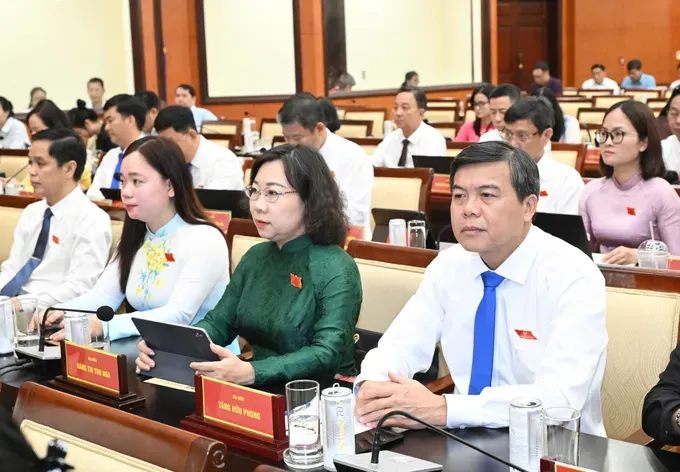
Regarding land and public assets, the Chairman of the Ho Chi Minh City People’s Council stressed the need to carefully assess the legal basis, planning, utilization plans, and the value of available resources. Regarding the Land Development Fund, it is necessary to clarify its capacity to fund compensation and site clearance, thereby accelerating project implementation.
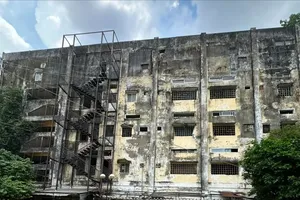
Regarding infrastructure development, urban renewal, and the connectivity of development spaces, the session considered decisions on and adjustments to the investment policies of several major projects. Delegates are expected to carefully assess the necessity, scale, total investment, funding sources, implementation timelines, and effectiveness of each project; prioritize urgent projects with broad spillover effects; avoid scattered investment; and exercise strict control over adjustments to investment policies. Matters related to land acquisition, compensation, and site clearance must be carried out in accordance with prescribed procedures, openly and transparently, while ensuring the lawful and legitimate rights and interests of organizations, households, and individuals using the land.
With the people placed at the center of all development policies, the session also considered policies on residency-based medical training, population collaborators, culture and the arts, youth development, environmental protection, climate change response, science and technology, innovation, and digital transformation. It also gave opinions on a proposal to establish wards based on the existing boundaries of 29 communes.
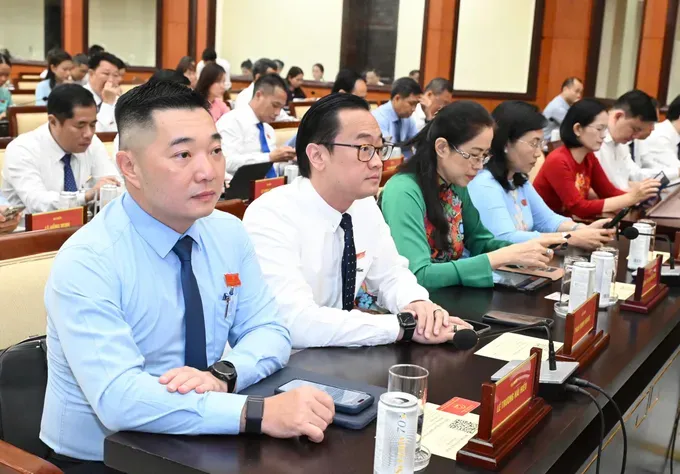
The Chairman of the Ho Chi Minh City People’s Council called on delegates to conduct a comprehensive assessment of fairness, accessibility, beneficiaries, available resources, and implementation conditions, ensuring that each policy addresses a specific issue, improves quality of life, and strengthens the city’s development capacity, rather than being merely formalistic or spread too thinly.
Given the large volume of issues on the agenda, many of which have broad impacts and require a high level of professional expertise, the Chairman urged delegates to thoroughly study the relevant dossiers and appraisal reports and focus their discussions on matters where differing views remain, particularly regarding legal grounds, resources, feasibility, and policy impacts.
Chairman Vo Van Minh stressed that every resolution adopted must fall within the proper authority, have a sound legal basis, be closely aligned with practical realities, and clearly define its objectives, resources, responsibilities, and deadlines, while being subject to inspection and supervision. This is because resolutions must not only be legally sound but also implementable and measurable and must deliver tangible improvements at an early stage in governance, investment, public service delivery, and people’s lives.