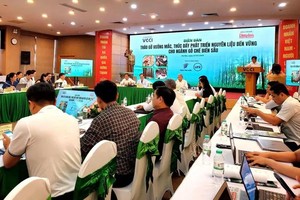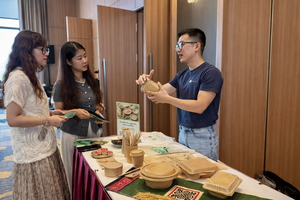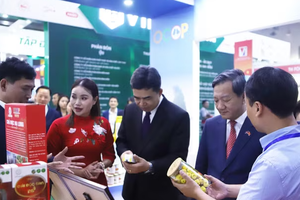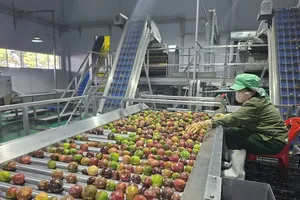
Nong nghiep & Moi truong (Agriculture and Environment) Newspaper, in coordination with the Plant Production and Plant Protection Department and the Department of Agriculture and Environment of Gia Lai Province, convened a forum on sustainable passion fruit development through value-chain linkages on December 12.
Vietnam currently has 12,600 hectares under passion fruit cultivation, yielding more than 178,500 tons annually—placing it among 18 fruit crops with outputs exceeding 100,000 tons per year. The Central Highlands accounts for over 88 percent of the total area, with Gia Lai leading the country.
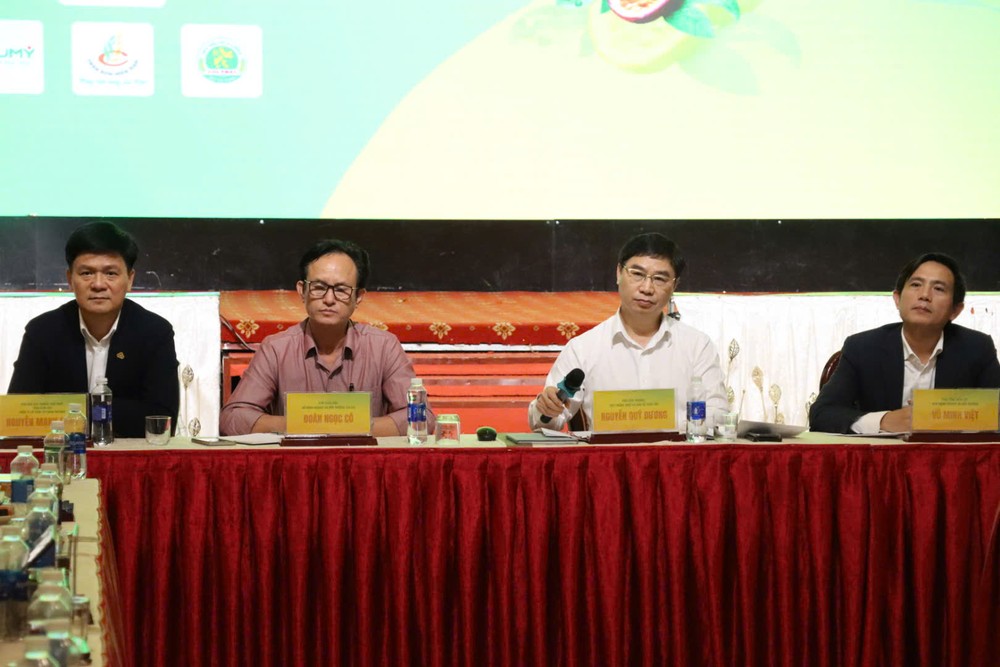
At the forum, experts, regulators, and businesses noted that global demand for passion fruit is rising sharply, driven by consumer preferences for natural, low-sugar, nutrient-rich beverages with sustainability certifications. However, the sector still grapples with major bottlenecks, including fragmented production, weak linkages, uneven seed quality, complex plant diseases, high logistics costs, and increasingly stringent technical barriers imposed by the EU, the United States, Japan, and China.
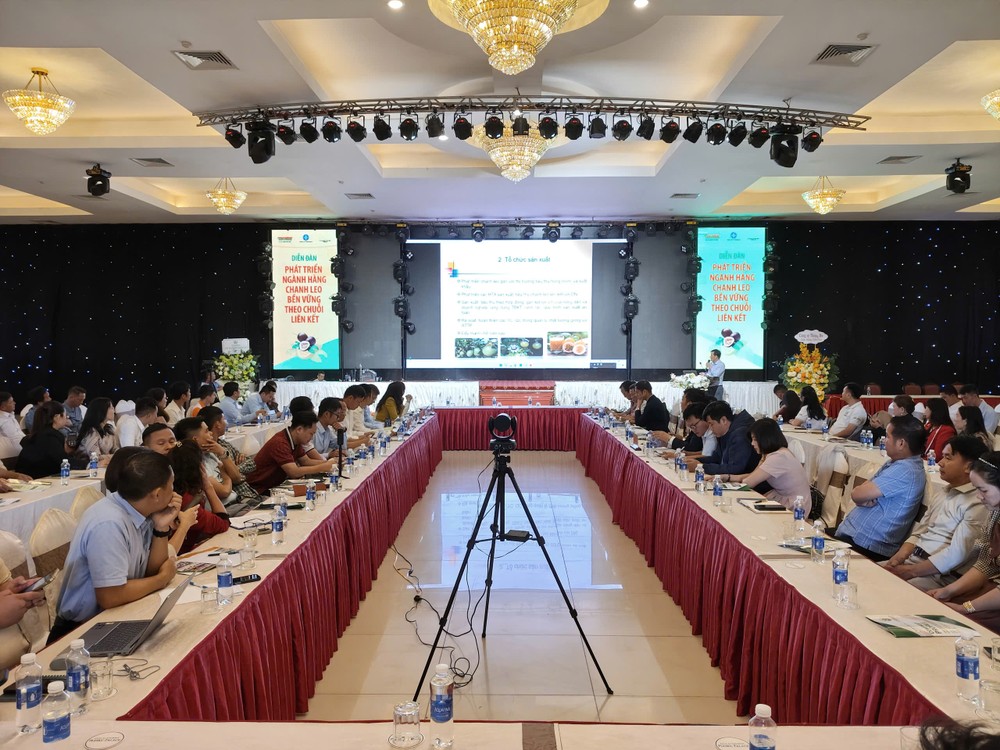
In response, the forum underscored the importance of strengthening value-chain partnerships—particularly the “Enterprise – Cooperative – Farmer” model—with a view to expanding it into the “Five Stakeholders” framework: the State, enterprises, cooperatives, farmers, and banks. Proposed solutions for sustainable development include zoning and expanding certified raw-material areas; enforcing seed quality control; standardizing cultivation practices in line with VietGAP and GlobalGAP; accelerating digital transformation in farm-area management and traceability; investing in deep-processing technologies; and building a unified brand for Vietnamese passion fruit.
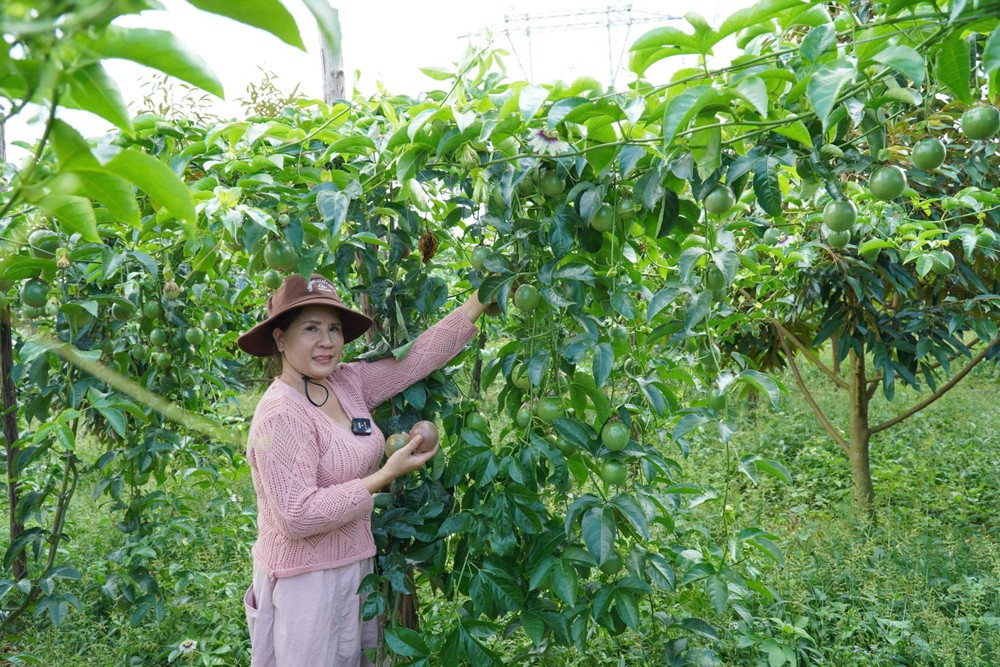
The forum is expected to help shape a long-term development strategy for the passion fruit industry, foster production-consumption linkages, enhance value addition, and strengthen Vietnam’s presence in the global passion fruit market.