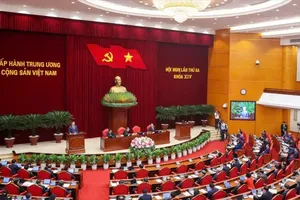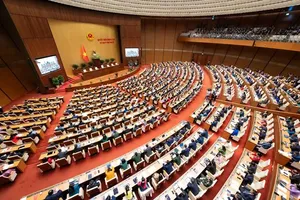
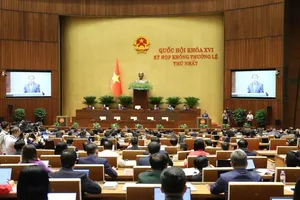
On the morning of August 3, under the chairmanship of National Assembly Vice Chairman Nguyen Hong Dien, the National Assembly heard proposals and a verification report on a draft resolution establishing special mechanisms and policies for handling legal violations related to the state economy, the private economy, and the application of science and technology, innovation and digital transformation.
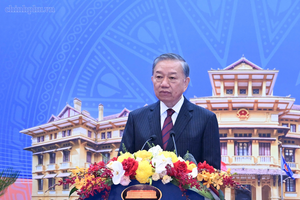
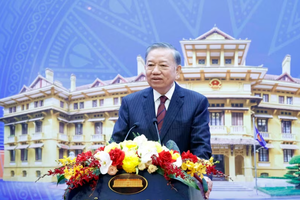
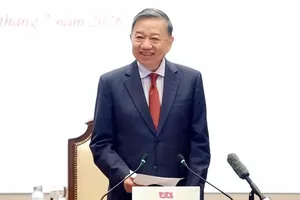
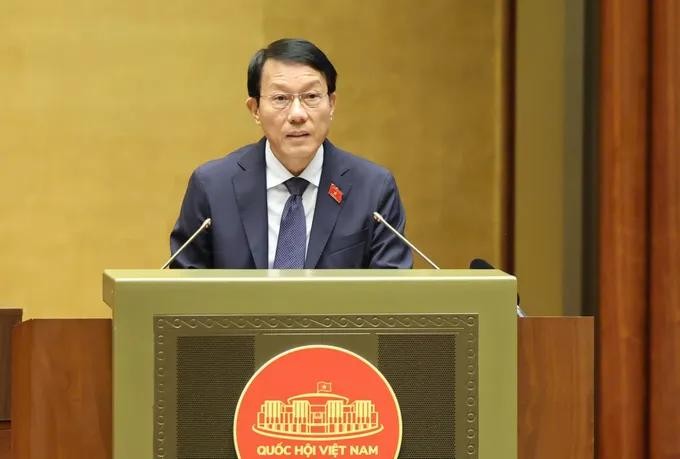
Minister of Public Security Luong Tam Quang said the resolution is intended to create a legal framework that protects proactive and innovative officials who are willing to take risks for the public good, while firmly eliminating acts that exploit the policy for personal gain.
The draft resolution consists of three chapters and 13 articles, focusing on the handling of violations in the economic sector, including both the state and private sectors, as well as activities promoting innovation and digital transformation.
The draft also sets out specific provisions on criminal procedures and the enforcement of criminal judgments to ensure the consistent and transparent application of these policies, the Minister of Public Security said. It also includes disciplinary measures for officials, civil servants and public employees that correspond to the conditions for exemption from or reduction of criminal liability, ensuring consistency across the legal framework.
To qualify for the special policies, one of the key conditions is that the violator must demonstrate that their actions were motivated by the public interest and did not involve corruption and wastefulness or other misconduct.
The resolution is expected to remain in effect for only three years, allowing authorities to evaluate its effectiveness before making permanent amendments to relevant laws, thereby avoiding the creation of long-term legal loopholes.
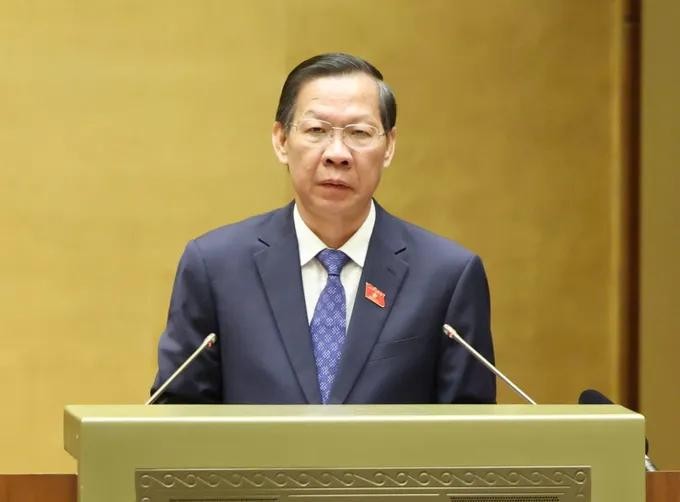
Presenting the verification report, Chairman Phan Van Mai of the 15th National Assembly's Committee for Economic and Financial Affairs agreed on the need for the resolution to institutionalize the Communist Party of Vietnam's policies and provide a legal basis for addressing urgent issues while some laws have yet to be amended.
However, he stressed the need for safeguards to prevent the policy from being exploited to legitimize wrongdoing.
Under the draft, leniency would apply only to cases involving no corruption, no personal gain, actions taken in the public interest, full remediation of consequences, and compliance with all prescribed conditions.
In addition to remedial actions, authorities should carefully assess the nature and severity of the violation, the offender's degree of fault, motivation and personal background. The reviewing committee recommended that the drafting agency establish measurable criteria for classifying violations and determining eligibility for the special policies, while creating strict oversight and monitoring mechanisms.

)