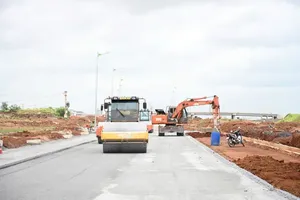
The ministry estimates that transport projects under construction in the Mekong Delta will face shortages of more than six million cubic meters of construction stone, 1.8 million cubic meters of construction sand, nearly 30 million cubic meters of fill sand and over three million cubic meters of embankment soil in 2026, with supply sources yet to be identified.
During the 2027–2030 period, projects in the Mekong Delta are expected to face shortages of nearly 36 million cubic meters of stone, four million cubic meters of construction sand, 278 million cubic meters of fill sand and 35.8 million cubic meters of embankment soil, with no identified sources to meet demand.
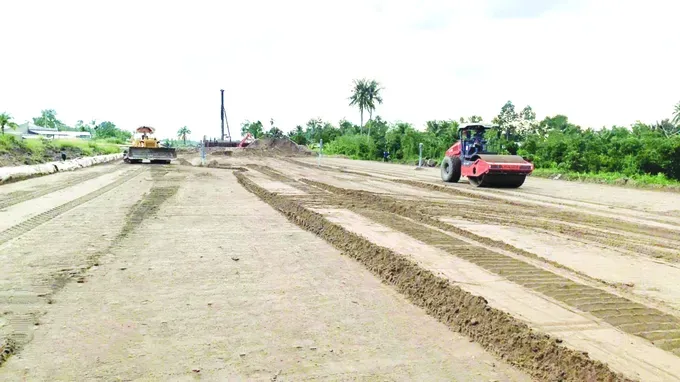
The ministry warned that river sand reserves in the Mekong Delta have declined significantly and could soon be depleted. Although imported sand is relatively abundant, its high cost makes it less economically viable. Construction stone is also becoming increasingly scarce, while marine sand, despite its abundant reserves, remains costly because it must undergo desalination and multiple stages of transportation before use.
The ministry added that using fly ash and slag generated by thermal power plants as embankment material is not a feasible solution in the Mekong Delta, where frequent flooding limits their application. Moreover, supplies of these by-products in the Southern region are limited and relatively expensive.
To improve the long-term efficiency of expressway development during 2026–2030 and beyond, the ministry has urged local authorities to consider elevated road sections from the earliest planning stages, including pre-feasibility studies, investment policy proposals and project planning.
According to the ministry, the initial construction cost of elevated roads is estimated to be 1.6 to 1.7 times higher than that of conventional embankment roads. However, when lifetime costs over 100 years are taken into account, the difference falls to just 10 percent to 14 percent.
To ensure adequate supplies of construction materials, the ministry also called on local governments to review the reserves and quality of construction material mines, coordinate material supplies among provinces, identify suitable areas for the use of marine sand, and proactively import sand from Cambodia to meet demand for infrastructure projects.