According to the General Statistics Office under the Ministry of Finance, Vietnam’s consumer price index increased by 1.23 percent month-on-month and 4.65 percent year-on-year in March 2026.
At a press briefing held on April 4, officials reported that transportation costs recorded the sharpest increase, rising 12.8 percent, contributing 1.28 percentage points to the overall CPI growth.
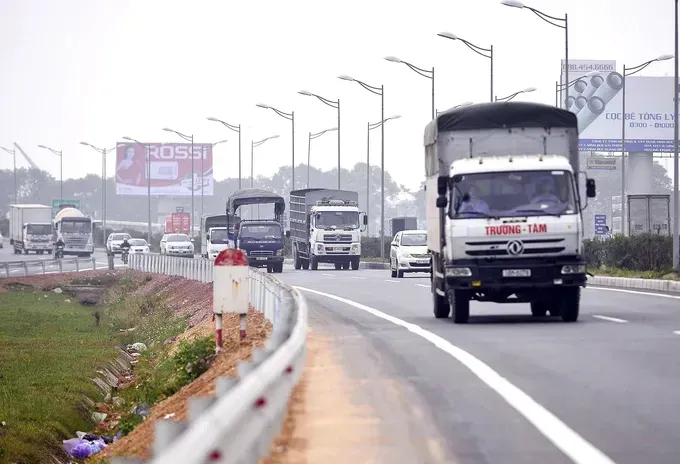
The surge was primarily driven by rising fuel prices, with gasoline increasing by 29.7 percent and diesel by 57 percent, following global energy price trends amid geopolitical tensions. Public transport service prices also rose by 6.5 percent.
Other categories saw moderate increases, including housing, utilities, fuel and construction materials up 0.77 percent; healthcare and medical services up 0.38 percent.
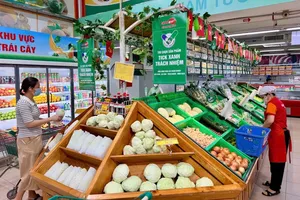
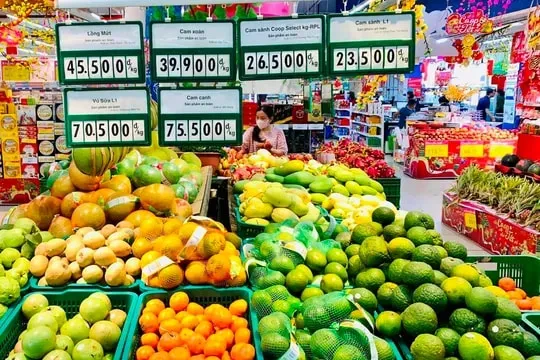
In contrast, food and catering services declined by 0.59 percent, thanks to an abundant supply. Food prices dropped by 1.4 percent, notably pork, down 2.9 percent, and fresh vegetables, down 3.1 percent.
Experts noted that inflationary pressure in the first quarter was significantly influenced by global geopolitical developments. Domestically, while the government has taken flexible measures, such as using the fuel price stabilization fund and ensuring the supply of essential goods, rising input costs have begun to spill over into several goods and service categories.
Looking ahead to the second quarter, inflationary pressure is expected to persist as global energy prices remain volatile, continuing to impact domestic fuel and transportation costs. This situation calls for close coordination between fiscal and monetary policies to maintain macroeconomic stability.
However, the expansion of e-commerce and modern logistics systems is helping narrow regional price disparities. Meanwhile, stable food supply in key regions such as the Mekong Delta is expected to play a crucial role in keeping inflation under control.