Di An transforms railway corridors into scenic flower roads
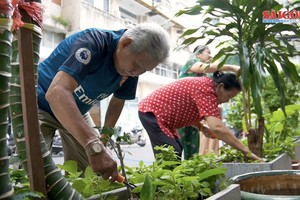
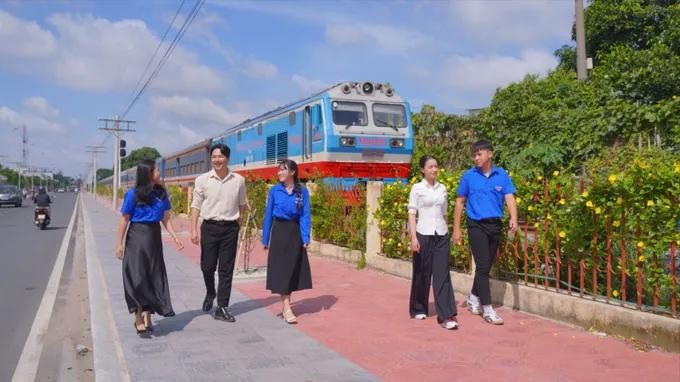
Residents and visitors in Dong Tac Quarter, Di An Ward, have been flocking to take photos along the scenic T4 Canal route—commonly known locally as the railway road. Along the railway corridor, flowers such as night-blooming cereus, bougainvillea, Bengal clock vine, and butterfly pea have been intercropped to create an eye-catching floral strip.
To Thi Ngoc Huong, a 40-year-old local vendor, recalled that the roadside was once heavily littered. "Since Di An Ward launched a cleanup campaign and planted flowers, the road has become bright and beautiful. Many people now come here to take pictures, and residents have become much more conscious, no longer littering indiscriminately," Huong shared.
Di An Ward is continuing to develop an additional one-kilometer flower path along the railway to ensure landscape consistency across the entire route. Concurrently, the ward is reviewing streets, alleys, residential areas, and public land to plant trees and flowers, while urging residents and businesses to participate in maintaining the greenery.
"This is not a temporary movement that gets abandoned afterward; every project and green road must have a designated unit, quarter, or residential community responsible for regular care," said Nguyen Van Dong, Party Secretary of Di An Ward. "The ultimate goal is not just counting how many trees are planted, but ensuring that citizens truly feel Di An is greener, cleaner, and more livable year after year."
Turning waste hotspots into neighborhood parks
In Phuoc Duc Quarter, Ba Ria Ward, residents were long accustomed to a vacant 300-square-meter plot buried under household garbage, construction debris, and discarded waste. In 2025, the local women's association initiated a cleanup to clear the trash and level the ground, eventually covering the vacant space with plants and flowers. Today, a small garden blooms in the heart of the residential area, featuring yellow and orange cosmos, purple Mexican petunias, Bengal clock vines, and a designated corner for medicinal herbs.
A similar transformation is underway across vacant public lands in Long Hai Commune. In Group 6, Hai Son Hamlet, a 400-square-meter public plot is being converted into green space, marking the 11th mini-park established in Long Hai since late 2022. Across the commune, vacant public plots ranging from 300 to 1,000 square meters are systematically being revitalized into sustainable green areas.
Huynh Son Tuan, Secretary of the Party Committee of Long Hai Commune, believes that transforming vacant lots into areas featuring greenery, flowers, and recreational spaces not only improves the landscape but also fosters environmental awareness among residents and curbs indiscriminate littering. More importantly, this initiative is helping to reintegrate neglected spaces into community life, thereby enhancing the residents' quality of life.