Authorities are facing growing challenges in combating smuggling, trade fraud and counterfeit goods as violators increasingly exploit e-commerce platforms, social media and delivery services to distribute illegal products on a large scale.
According to the Standing Office of the National Steering Committee for Anti-smuggling, Counterfeit Goods and Trade Fraud (National Steering Committee 389), ministries, sectors and localities detected and handled 39,716 violations in the third quarter of 2026, up 24.38 percent year on year.
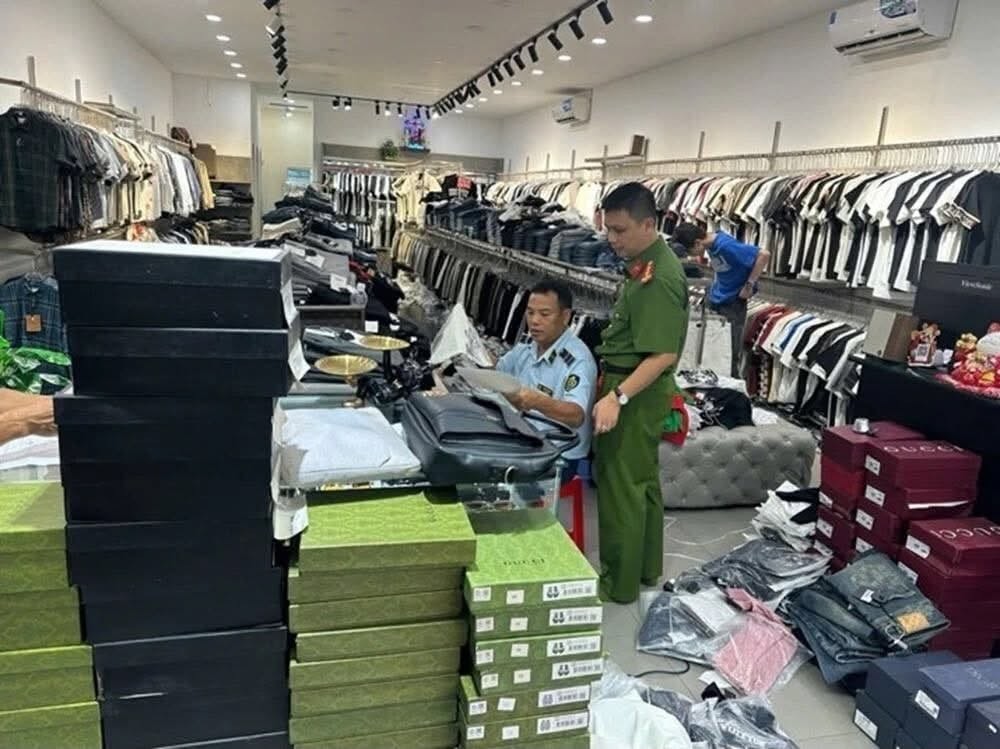
Of the total, 2,510 cases involved the trading and illegal transportation of prohibited or smuggled goods, an increase of 53.7 percent. Another 34,357 cases involved trade and tax fraud, up 17.32 percent while 2,849 cases concerned counterfeit goods and intellectual property rights violations, surging 180.69 percent.
The total amount collected for the State budget reached nearly VND5.7 trillion, up 56.38 percent from the same period last year. Authorities also initiated proceedings against 329 cases and 519 individuals.
According to the Standing Office of the National Steering Committee 389, violators are increasingly using platforms such as Facebook, TikTok, Shopee and Telegram, as well as livestream sales, to distribute smuggled goods, counterfeit products and items violating intellectual property rights.
A common practice involves advertising dietary supplements and cosmetics as products imported from the Republic of Korea or China. Traders then purchase unverified ingredients, pills and raw materials, together with packaging, seals and labels from overseas, before bringing them into Vietnam for repackaging and sale at high prices under the guise of imported or hand-carried goods.
Many traders do not operate from permanent business premises. Instead, they rent apartments or private houses as warehouses, conduct transactions entirely online, use bank accounts registered under other people's names and hire technology-based delivery drivers to transport products.
Colonel Tran Duc Dong, Chief of the Standing Office, said smuggled and counterfeit goods, as well as products infringing intellectual property rights, are causing serious damage to the economy.
Counterfeit goods generally have lower production costs and are sold at cheaper prices, creating unfair competition for legitimate businesses. This undermines their competitiveness and weakens incentives to invest in research, development and innovation.
The consequences are particularly serious in the pharmaceutical, food and dietary supplement sectors, where substandard products can threaten public health and safety while eroding consumer confidence.
Colonel Tran Duc Dong noted that the use of e-commerce platforms, social networks, delivery services and fake online accounts to conduct large-scale illegal trading has made it increasingly difficult for authorities to detect and handle violations.
He said the enforcement results reflect the Government's determination, together with coordinated efforts by ministries, localities and relevant agencies to ensure a transparent market, protect public safety and promote sustainable development.
Strengthening inspections, crackdowns on online violations
The Standing Office has advised the National Steering Committee 389 to direct ministries and local authorities to step up measures against online trade fraud and counterfeit goods.
One priority is to provide law enforcement officers with training to improve their ability to identify, detect and handle violations in the digital environment.
Authorities are also working to develop interconnected databases and promote information sharing among police, market surveillance and customs forces, tax agencies, banks and postal service providers.
The initiative aims to help identify online sellers, trace the origins of goods and detect suspicious trading activities more effectively.
Alongside digital monitoring, enforcement agencies have been instructed to strengthen inspections of e-commerce activities and follow up on violations at distribution channels, warehouses and goods collection points.
The Government has also assigned ministries and sectors to develop national and specialised databases under its action plan through 2030 for combating smuggling, trade fraud, counterfeit goods and intellectual property rights violations.
Dong said the Standing Office will continue urging relevant agencies to follow the roadmap for data connectivity and information sharing.
He also called for further improvements to the legal framework, product standards and quality regulations, alongside stricter specialised inspections and post-market checks, particularly in food safety.
Public communication should also be strengthened to warn consumers about fraudulent sales practices, including products falsely advertised as imported or hand-carried goods. Publicising violations and violators will help protect consumers and safeguard the reputation of Vietnamese brands.