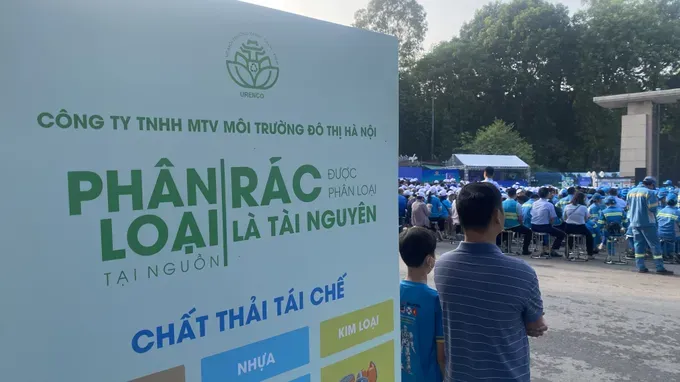
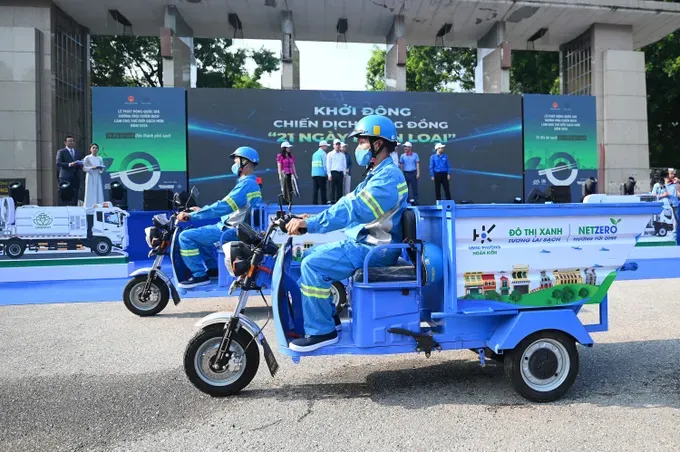
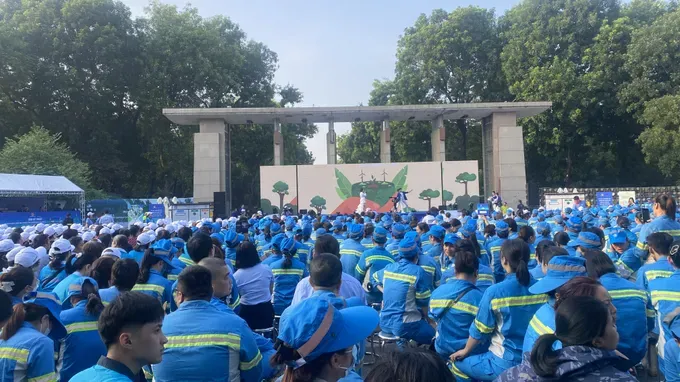
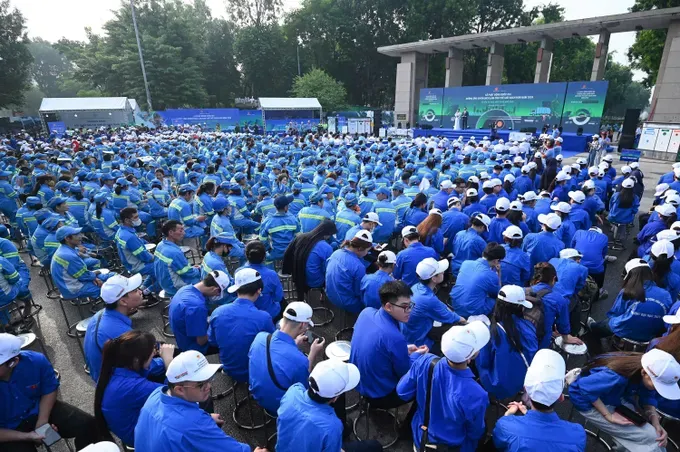
More than 1,000 people attended the event, including approximately 500 environmental staff and workers from Hanoi Urban Environment Company Limited. This workforce also directly participated in collecting waste and cleaning the environment following the launch ceremony.
This year, the campaign carries the message "From clean plates to clean cities" focusing on reducing food waste and managing food refuse. A new highlight of the program is the introduction of a network of 100 sorting and recycling recovery hubs (HUBs), the activation of a digital map, and the launch of the community action program "21 Days of Sorting and Recycling Recovery."
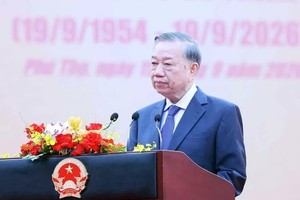
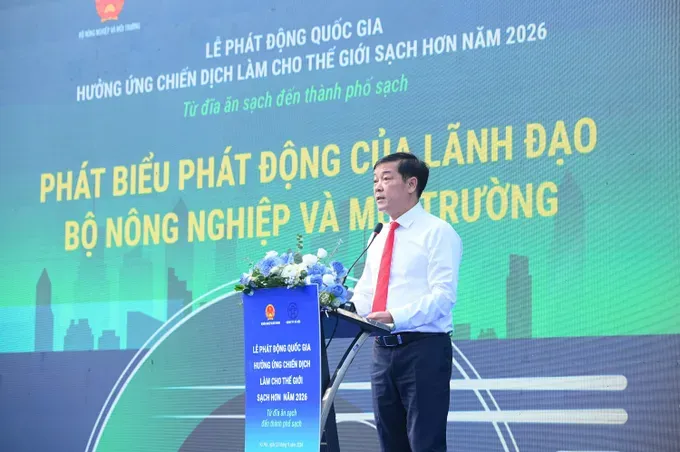
Speaking at the launch ceremony, Deputy Minister of Agriculture and Environment Le Trong Yen emphasized that food waste and organic waste currently account for about 50 percent to 70 percent of total domestic solid waste in Vietnam. Therefore, it is necessary to reduce waste and food loss right at the source, while making waste sorting at the source the foundation of modern waste management.
The Deputy Minister suggested that waste management must gradually shift from a "waste disposal" mindset to "resource management from waste," enhancing reuse, recycling, material recovery, energy recovery, and proper treatment of organic waste.
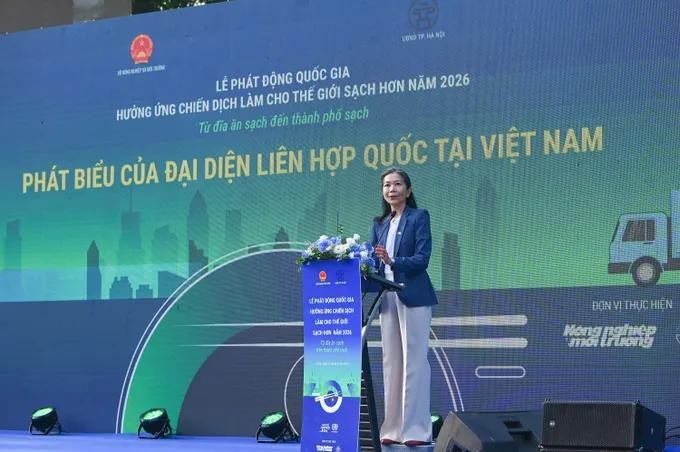
Pauline Tamesis, United Nations Resident Coordinator in Vietnam, stated that reducing food loss and waste is directly linked to food security, the environment, and urban development. She noted that change can start with choices in daily life, from reducing discarded food to improving collection, treatment, and utilization of organic waste.
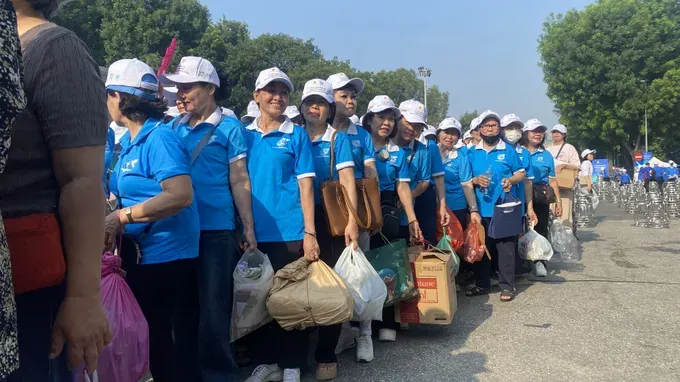
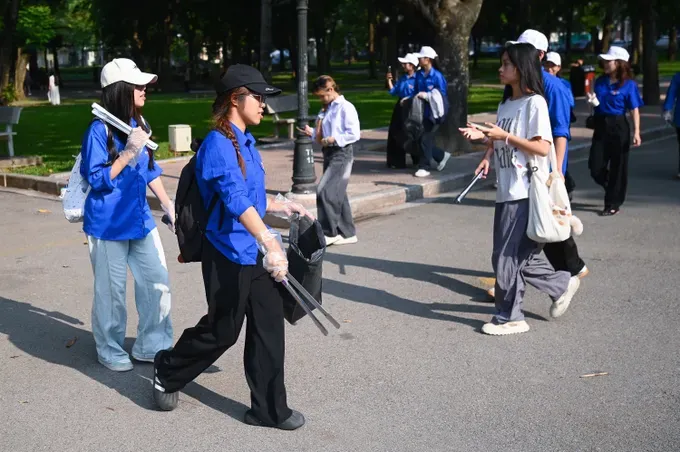
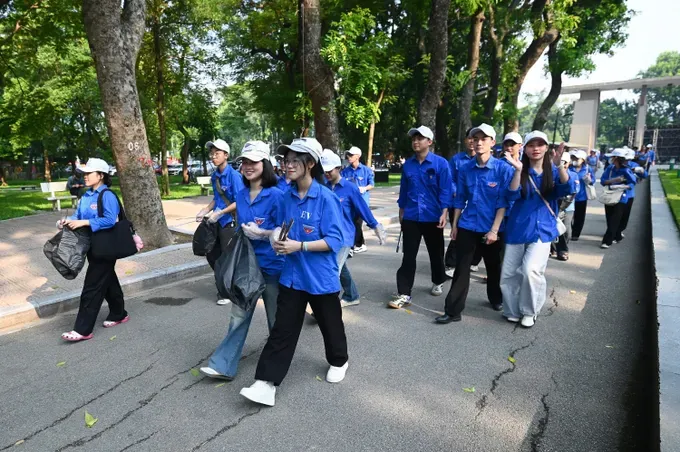
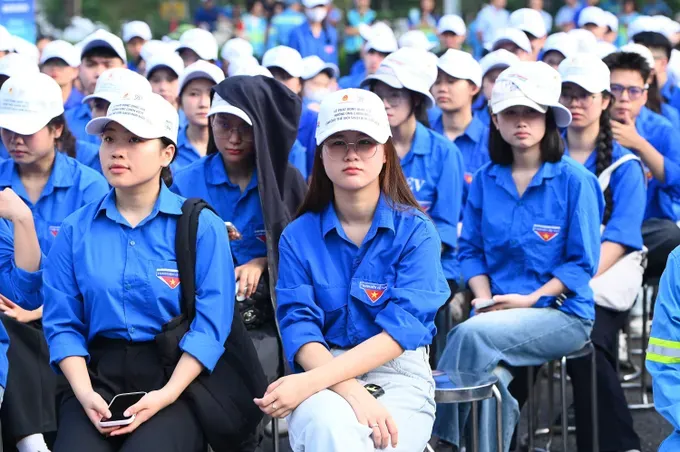
Immediately after the launch ceremony, delegates, youth union members, environmental workers, and local residents participated in the "Trade Waste for Gifts" program, as well as cleanup operations to collect garbage and clean Thong Nhat Park and several other locations across Hanoi City.
Clean Up the World was established in 1993 and is one of the largest community-based environmental programs in the world by uniting community groups, schools, businesses, and local governments to carry out activities that address local environmental issues. Activities typically include clean ups to remove debris from natural environments, protecting habitats and species in waterways, wetlands, beaches, parks, forests, mountains, and bush lands. The vision is to inspire a billion people across all continents to tread lightly, clean up and conserve the planet.