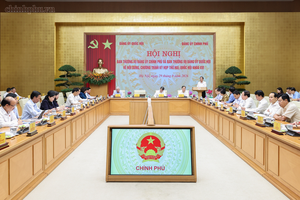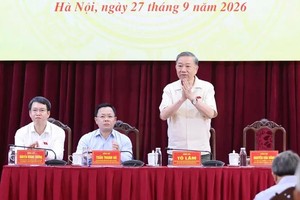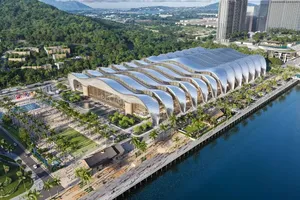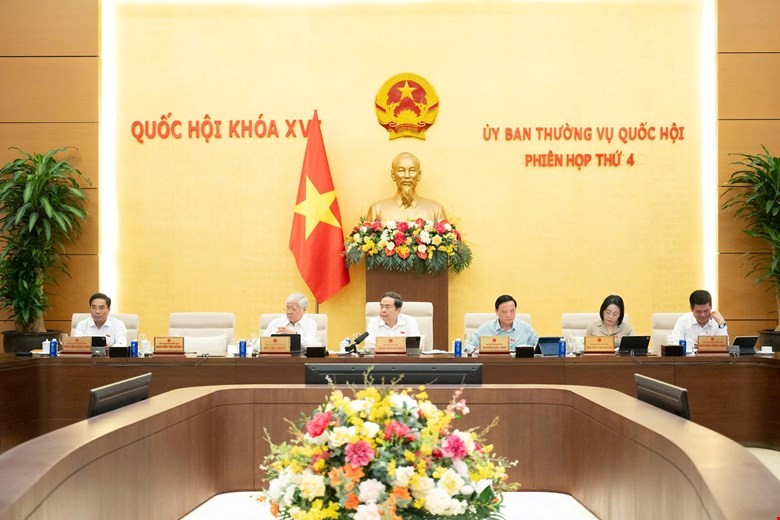
Chaired by National Assembly Vice Chairman Nguyen Hong Dien, the session examined the government's proposal for a 1,500-hectare coastal reclamation project with an estimated investment exceeding VND400 trillion.
To accelerate implementation, the government proposed a range of special mechanisms covering planning, investment, land use, and resource management. The draft would allow the project to apply flexible economic and technical standards that differ from national regulations. Strategic investors would also be permitted to transfer up to 50 percent of the project area after completing essential infrastructure, enabling them to attract additional investment.
The government further proposed exempting the project from the requirement to hold an architectural design competition, arguing that the development's landmark structures - envisioned as "national symbols rising from the sea" - have already undergone extensive professional design studies and that waiving the competition would shorten project timelines.
On land and natural resources, the draft would authorize Da Nang to determine land-use indicators beyond those set out in national planning. The city would also be empowered to allocate sea areas and issue mineral extraction permits under simplified procedures to secure fill materials for land reclamation. Instead of requiring developers to build social housing within the project, the proposal would require only financial contributions.
The government also suggested raising the cap on foreign ownership of condominium units within the project from 30 percent to 50 percent. Foreign property owners would be eligible for 10-year temporary residence cards and visa exemptions.
Presenting the reviewing committee's assessment, Mr. Phan Van Mai, Chairman of the National Assembly's Committee for Economic and Financial Affairs, said the committee broadly agreed on the need to issue the decree. However, it noted that the draft extends beyond the scope authorized by the National Assembly, with several proposed policies deviating from existing laws that fall under the legislature's authority. The committee therefore recommended that the government report the proposal to, and seek approval from, the Politburo before issuing the decree.
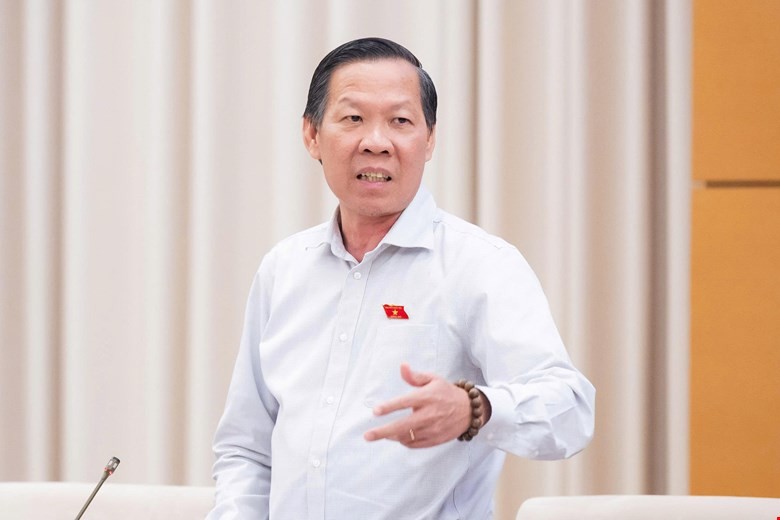
Mr. Phan Van Mai also opposed eliminating the architectural design competition, arguing that a project intended to serve as a national landmark should undergo the highest level of architectural evaluation and public scrutiny.
Regarding the proposal to increase foreign ownership to 50 percent and extend ownership rights to 70 years, he cautioned that such changes could significantly affect the real estate market, population management, and, in particular, national defense and security in the strategically important coastal area. He called for a comprehensive impact assessment and consultation with competent authorities before any decision is made.
The reviewing committee also requested clarification on whether reducing developers' financial contributions for social housing infrastructure from 20 percent to 10 percent complies with central government directives, while stressing that any tax incentives must remain consistent with existing tax legislation.
Concluding the discussion, Vice Chairman Nguyen Hong Dien urged careful consideration of the proposal to waive the architectural competition. If adopted, he said, the matter should be reported to the competent authorities, with the Da Nang People's Committee assuming responsibility for the decision under strict oversight and monitoring.
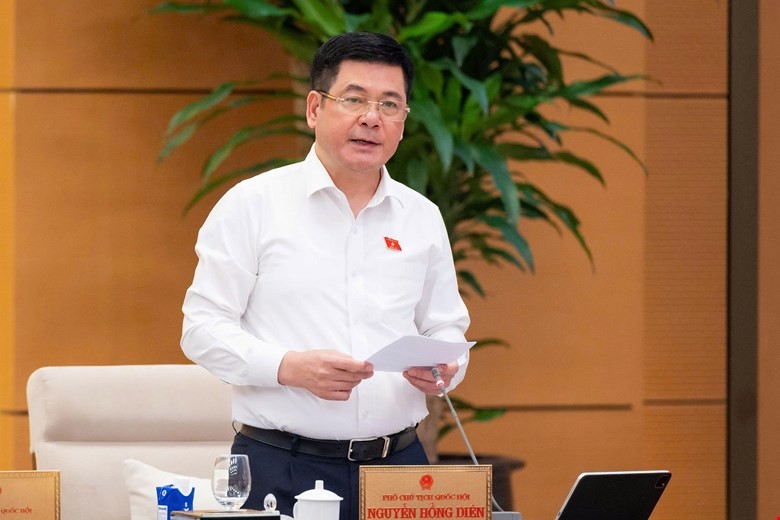
He emphasized that all special policies must remain within the authority delegated by the National Assembly, avoid duplicating existing laws or resolutions, and not exceed the mandate granted by lawmakers. For any exceptional mechanism that differs from current regulations, the government must first obtain the Politburo's approval before promulgating the decree.