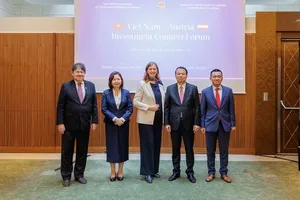
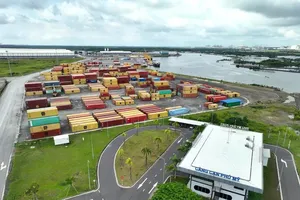
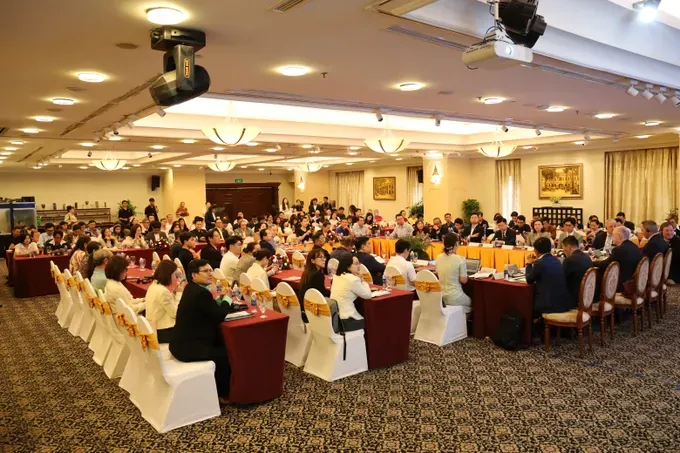
The 2026 Ho Chi Minh City–United States (U.S.) Economic Cooperation Forum, organized by the Investment and Trade Promotion Center (ITPC) on April 2 in Ho Chi Minh City, highlighted a growing trend of U.S. capital flowing deeper into the city’s economy, especially in logistics and supply chain projects.
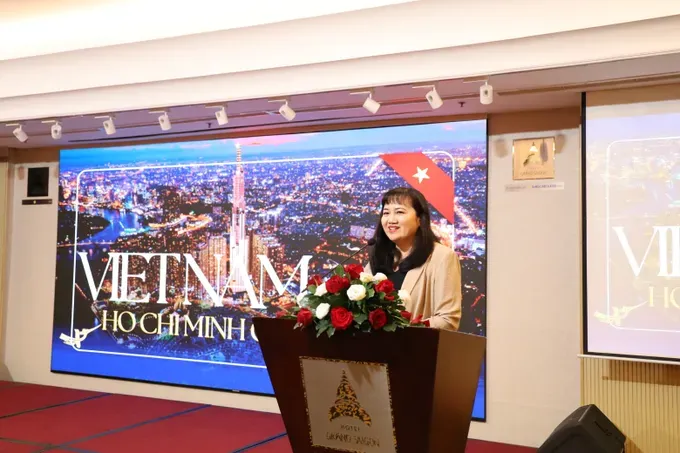
As indicated by Ms. Cao Thi Phi Van, Deputy Director of ITPC, the Vietnam–US trade and investment relations are expanding strongly, creating a solid foundation for broader cooperation. The U.S. currently has more than 900 projects in Ho Chi Minh City with total capital of approximately US$7.6 billion, and over 1,500 projects nationwide with registered capital exceeding US$12.5 billion. Vietnam’s exports to the U.S. reached over US$151.8 billion in 2025, while the first two months of 2026 saw US$23.84 billion, up 21.9 percent year-on-year.
Ho Chi Minh City remains the country’s largest import-export hub, with trade turnover with the US reaching US$27.23 billion, including about US$21.7 billion in exports, accounting for more than 23 percent of the city’s total exports. Key export sectors such as wood products, electronics, machinery, textiles, and footwear continue to lead growth. With its advantages as an economic and logistics center, the city still has significant potential to attract U.S. investment into high value-added sectors.
From the U.S. side, Gregory Harris, Commercial Chief at the U.S. Consulate General in Ho Chi Minh City, noted that Vietnam is among the most dynamic economies in the region, with Ho Chi Minh City ranking among ASEAN’s high-growth hubs. Rising trade volumes are driving demand for logistics infrastructure and supply chain development, opening opportunities for U.S. companies to engage more deeply in the market as long-term investors.
Despite strong prospects, U.S. participation in Vietnam’s logistics and distribution sectors has yet to match its potential, largely constrained by shortcomings in supply chain connectivity, especially the lack of direct routes and transshipment facilities.
From the perspective of the industry and trade sector, Ms. To Ngoc Lan, Head of the International Economics Division under the Ho Chi Minh City Department of Industry and Trade, said that local enterprises are strong in manufacturing and processing, while the U.S., particularly Oregon, has strengths in technology, materials, and advanced logistics. This complementarity could foster two-way supply chains and help Vietnamese businesses move up the global value chain.
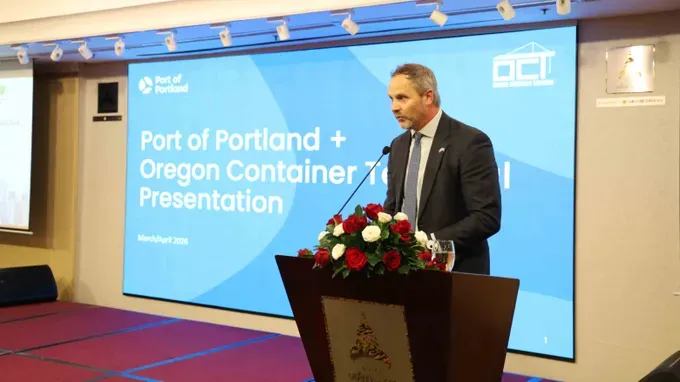
Mr. Andy Reed, Global Trade Manager at the Port of Portland, proposed establishing direct connections between Portland Port and the Cai Mep–Thi Vai port cluster to form a stable trans-Pacific shipping corridor, enabling Vietnamese goods to better access the U.S. and Canadian markets.
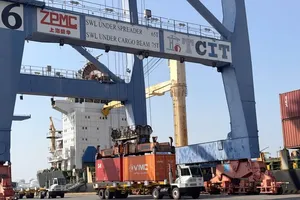
From the enterprise perspective, the Saigon Newport Corporation stressed that Ho Chi Minh City’s port infrastructure is capable of handling large ships, maintaining competitive costs, and supporting direct routes, critical to building global logistics corridors that can attract major investors. At the same time, the Ho Chi Minh City Logistics and Port Association urged the expansion of direct shipping, green logistics and cold chain networks.
At the forum, many U.S. businesses stressed that improving the investment environment, toward greater transparency, stability, and competitiveness, is essential to expanding investment. They also called for further administrative reforms, a reliable energy supply, and more effective coordination between investment promotion agencies and investors.
By prioritizing investment in logistics, technology, modern commerce, and the green economy, Ho Chi Minh City is laying the groundwork to attract high-quality U.S. capital. Addressing key infrastructure and connectivity constraints could position the city as a regional logistics hub in the years ahead.