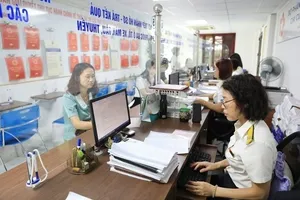
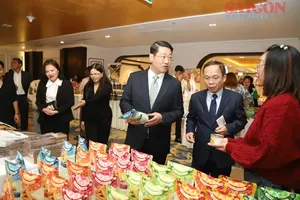
Speaking to reporters of Sai Gon Giai Phong Newspaper (SGGP), Deputy Director of the municipal Department of Industry and Trade Le Van Danh said that the department is focusing on resolving obstacles and speeding up application processing following the transfer of responsibility from the Ministry of Industry and Trade on August 1.
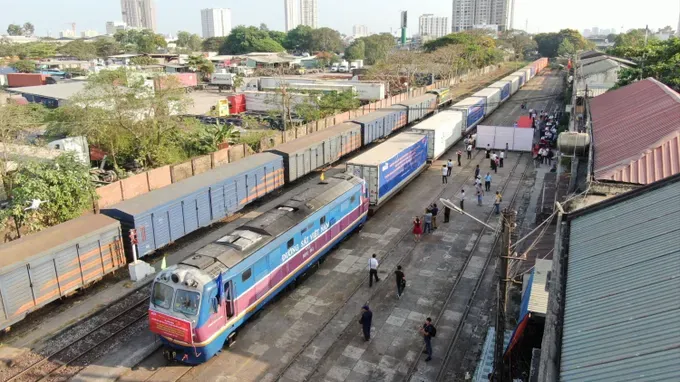
Since August 1, the department has received around 7,000 C/O applications and processed approximately 4,000, or more than 57 percent. The remaining applications are being handled in accordance with regulations.
The actual workload has been substantial, as the applications have come not only from businesses based in Ho Chi Minh City but also from enterprises in many other provinces and cities.
The transfer of responsibility has been relatively smooth, as businesses continue to submit and process their applications through the Ministry of Industry and Trade’s electronic system, without having to follow any new procedures. Decentralization has also enabled the department to respond more proactively to businesses’ needs by handling applications, providing guidance, and offering local support.
The biggest challenge during the initial stage was the sharp increase in applications, while many businesses had not yet adapted to the new receiving agency. As a result, a relatively high proportion of applications required additional documents or corrections.
However, the processing procedure has now largely stabilized. The department is reviewing its operations, arranging appropriate personnel and accelerating processing to meet businesses’ needs.
At the beginning of the implementation, the proportion of applications requiring supplementation was relatively high. The main reasons included businesses selecting the former C/O issuing authority by mistake, incomplete updates to trader profiles on the electronic system, and missing documents proving the origin of goods as required.
The issuing authority must request supplementary documents for applications that do not meet the requirements, ensuring the information is accurate and exporters can benefit from applicable tariff preferences.
After identifying these problems, the department promptly assigned staff to guide businesses in preparing complete applications from the outset. As a result, the rejection rate has fallen significantly compared with the initial period.
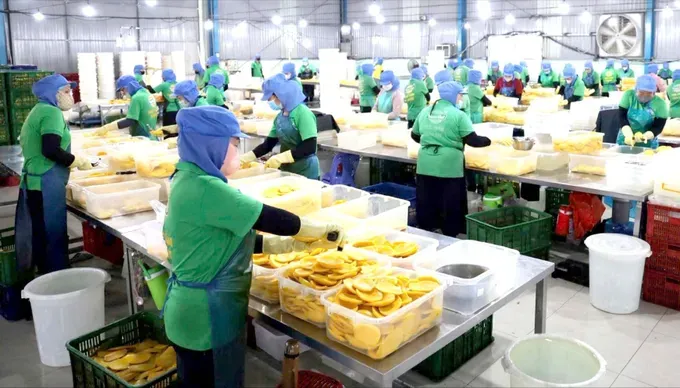
For perishable agricultural and seafood shipments, as well as consignments that need to be delivered urgently to meet vessel or flight schedules, the department has introduced a priority mechanism. Applications are processed immediately once businesses notify or contact the department directly, helping prevent delays to export plans.
The department has also assigned dedicated staff to monitor the electronic system continuously, including outside normal working hours, so that applications can be reviewed and processed as quickly as possible.
In addition, specialists have been assigned to directly assist businesses in correcting declaration errors as soon as applications are received, reducing the need for repeated supplementation.
The department is following the principle of ‘providing guidance once and resolving the issue completely, Deputy Director Le Van Danh said.
For each application requiring supplementation, processing officers provide detailed notes directly on the electronic system, specifying the documents that are missing and the information that needs to be corrected. Businesses can then access the system and immediately identify what needs to be completed.
The department has also increased staffing, extended working hours and arranged overtime to minimize processing times.
To ease the workload at the HCMC Department of Industry and Trade, the department has encouraged businesses to submit C/O applications to the departments of industry and trade in the localities where they are headquartered.
A more even distribution of applications among localities would help reduce overall processing times while allowing businesses to choose where to submit their applications in accordance with regulations. In the short term, the department will continue to work closely with the Ministry of Industry and Trade to promptly resolve issues involving both the electronic system and C/O procedures.
Regarding ECOSYS, the Ministry of Industry and Trade’s online public service system for managing and issuing certificates of origin (C/O), the department is working closely with the Vietnam E-Commerce and Digital Economy Agency to ensure stable system operations. At the same time, it is coordinating with the Import-Export Department to address issues related to HS codes and rules of origin in a consistent manner, ensuring compliance with regulations without delaying the processing of applications.
The department has also proposed that the Ministry of Industry and Trade further improve the electronic system to automatically flag errors when businesses submit their declarations, thereby reducing the number of applications requiring additional documents. The department is coordinating regularly with the Vietnam E-commerce and Digital Economy Agency to ensure stable system operations. It is also working with the Import-Export Department to resolve issues related to HS codes and rules of origin consistently and in compliance with regulations, without delaying application processing.
The goal is to ensure that C/Os are issued in compliance with regulations and international commitments while making the process as convenient as possible for businesses and preventing administrative procedures from becoming a bottleneck that hampers exports.
Nguyen Chanh Phuong, Vice Chairman of the Ho Chi Minh City Handicraft and Wood Industry Association (HAWA), said that businesses should avoid submitting C/O applications at the last minute.
For the wood industry, it usually takes around 45 days from receiving an order to completing the products. Shipping by sea then takes about three weeks to Europe and around four weeks to the United States. During this period, businesses have ample time to prepare and complete the necessary documentation.
More importantly, the C/O does not necessarily have to travel with the shipment. While goods are in transit, businesses can still complete C/O procedures and provide the relevant documents to their partners when the goods arrive at the port, subject to the regulations of each market.
Therefore, businesses that proactively plan production, prepare supporting documents and complete their applications from the outset can minimize the risk of having to request urgent C/O issuance just before delivery deadlines.
Nguyen Dang Hien, General Director of Tan Quang Minh Manufacturing and Trading Company Limited (Bidrico) said that his company has exported beverages, fruit juices, bird’s nest drinks, tea and other non-alcoholic products to markets including the United States, Japan, Europe, as well as several countries in Asia and Africa.
Bidrico regards C/O management as an integral part of its export management process.
Each market and free trade agreement (FTA) has its own rules of origin requirements, so the company assigns specialized staff to monitor and update regulations and standardize its documentation.
The transfer of responsibility for C/O issuance is a necessary step toward improving management efficiency, General Director Nguyen Dang Hien said.
Businesses hope for greater transparency and consistency in the C/O process, with any requests for additional documents clearly communicated from the outset. This would enable them to complete applications more quickly, reduce costs and make better use of tariff preferences under FTAs.