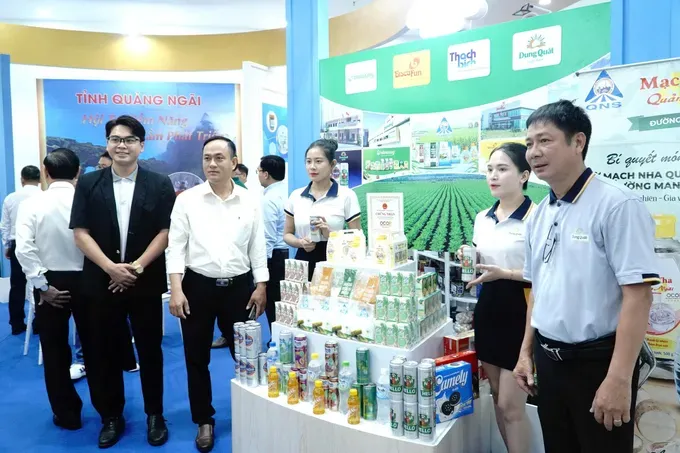
The event was organized by the Ho Chi Minh City Department of Agriculture and Environment, in coordination with the Quang Ngai Department of Agriculture and Environment, the Ho Chi Minh City Department of Industry and Trade, and departments of agriculture and environment from provinces in the South Central Coast and Central Highlands.
The forum was attended by Director of the Agricultural Trade Promotion Center under the Ministry of Agriculture and Environment, Nguyen Minh Tien; Vice Chairman of the Ho Chi Minh City People’s Committee, Bui Minh Thanh; Deputy Director of the Ho Chi Minh City Department of Agriculture and Environment, Nguyen Van Da; Vice Chairman of the Quang Ngai Provincial People’s Committee, Tran Phuoc Hien; and representatives of localities and businesses across the region.
In his opening remarks, Deputy Director of the Ho Chi Minh City Department of Agriculture and Environment Nguyen Van Da said the South Central Coast and Central Highlands boast diverse ecological, cultural, and agricultural landscapes, with a wide range of distinctive local products, traditional craft villages, indigenous knowledge, and unique production models.
These resources provide an important foundation for developing OCOP goods, traditional crafts, rural tourism, and agricultural experience models, thereby increasing product value, creating livelihoods, and promoting the cultural values of local communities.
According to the Deputy Director of the Ho Chi Minh City Department of Agriculture and Environment, the city has not only agricultural production, OCOP products, traditional crafts, and craft villages, but also advantages as a major consumer market and a hub for distribution, logistics, science and technology, tourism, and services. This gives the city favorable conditions to serve as a market connector, expand consumption channels, and strengthen cooperation with other localities.
“Ho Chi Minh City views regional connectivity as going beyond expanding consumer markets. It should aim to support one another across the entire value chain, from production, quality standards, processing, and brand development to distribution, logistics, tourism, and experiential activities,” he emphasized.
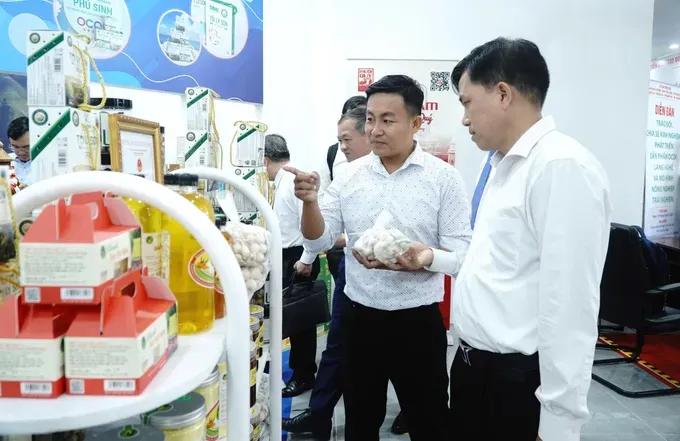
At the forum, delegates shared experience in developing and standardizing OCOP products, building brands, and applying technology to production, processing, tourism, and trade promotion, while showcasing distinctive local models and products.
The forum aims to strengthen linkages between Ho Chi Minh City and provinces and cities in the South Central Coast and Central Highlands, promote supply-demand connectivity, trade and tourism promotion, and enhance the value of OCOP goods and traditional craft villages through digital transformation and sustainable development.
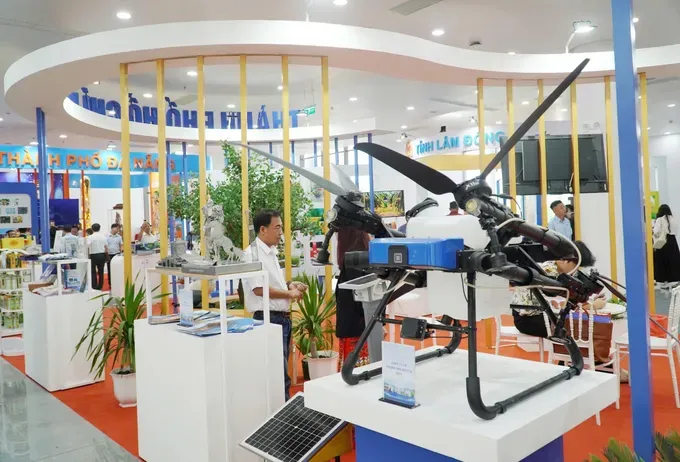
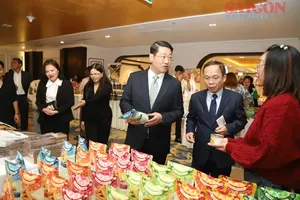
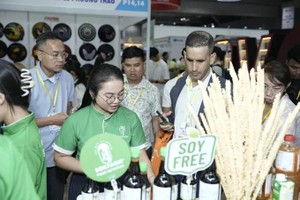
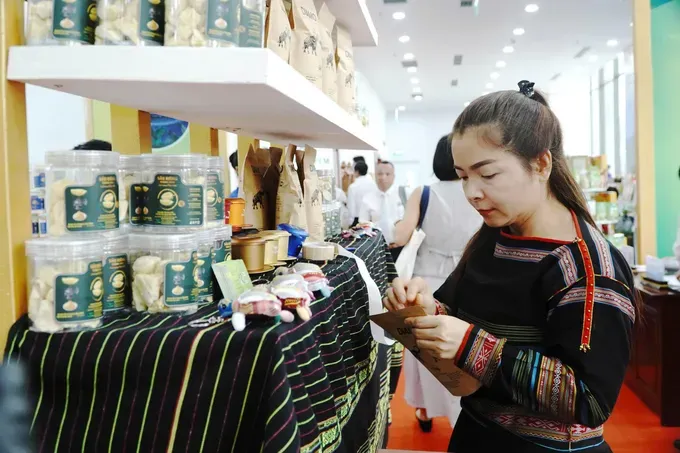
On the sidelines of the forum, an exhibition showcased OCOP goods, traditional crafts, and agricultural experience models from 45 producers and organizations from Ho Chi Minh City and provinces and cities across the South Central Coast and Central Highlands.