However, turning that ambition into reality will require the city to address cargo flows, costs, and cross-border connectivity.
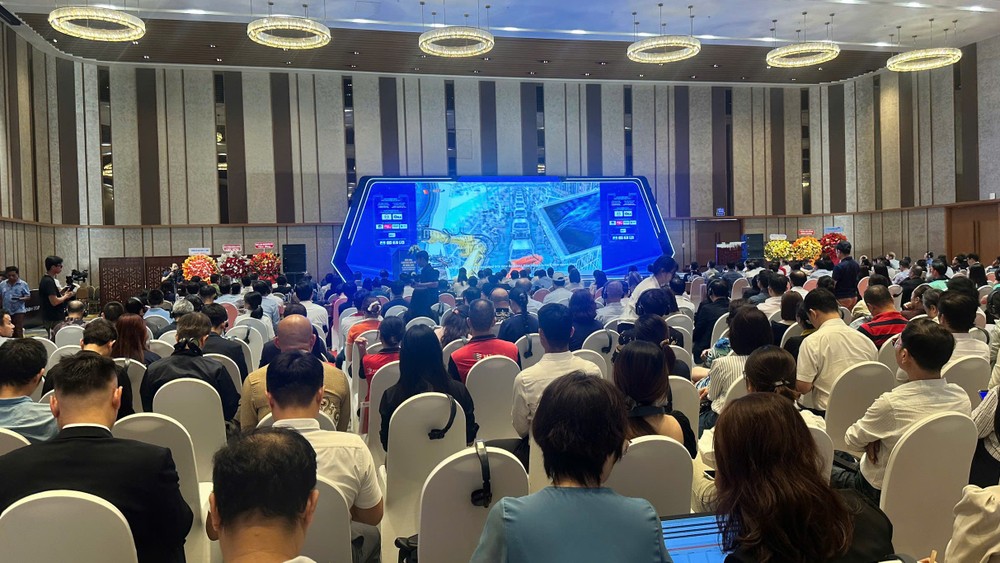
The issue was at the heart of discussions at the Da Nang International Logistics Forum 2026 on August 13, jointly organized by the Ministry of Industry and Trade and the Da Nang People's Committee. Delegates explored ways to strengthen the city's role in regional logistics networks.
Mr. Phan Thai Binh, Vice Chairman of the Da Nang People's Committee, said the restructuring of global supply chains had created an opportunity for the city to capitalize on its strategic location and infrastructure to develop into a logistics hub and international trade gateway connecting North and South, East and West, and inland areas with maritime routes.
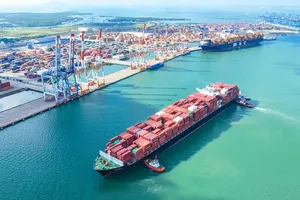
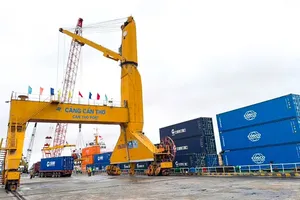
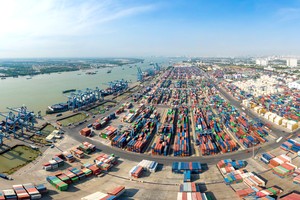
Da Nang is the eastern gateway of the East-West Economic Corridor (EWEC) and has a well-developed seaport system, with plans to expand Lien Chieu Port and develop Chu Lai Port.
However, Mr. Dao Trong Khoa, Chairman of the Vietnam Logistics Business Association (VLA), said geographic and infrastructure advantages were only the starting point. A next-generation economic corridor must integrate infrastructure, trade, data, supply chains, investment, and green transition efforts.
Businesses, he said, would only choose a logistics corridor if it offered sufficient cargo volumes, competitive costs, seamless connectivity, streamlined customs and transit procedures, adequate transport capacity, and stable, predictable operations.
The VLA has therefore proposed that Da Nang map cargo flows, identify key commodity groups, and measure transport costs and times to pinpoint bottlenecks. It also recommends piloting digital corridors, electronic documentation, and green logistics corridors.
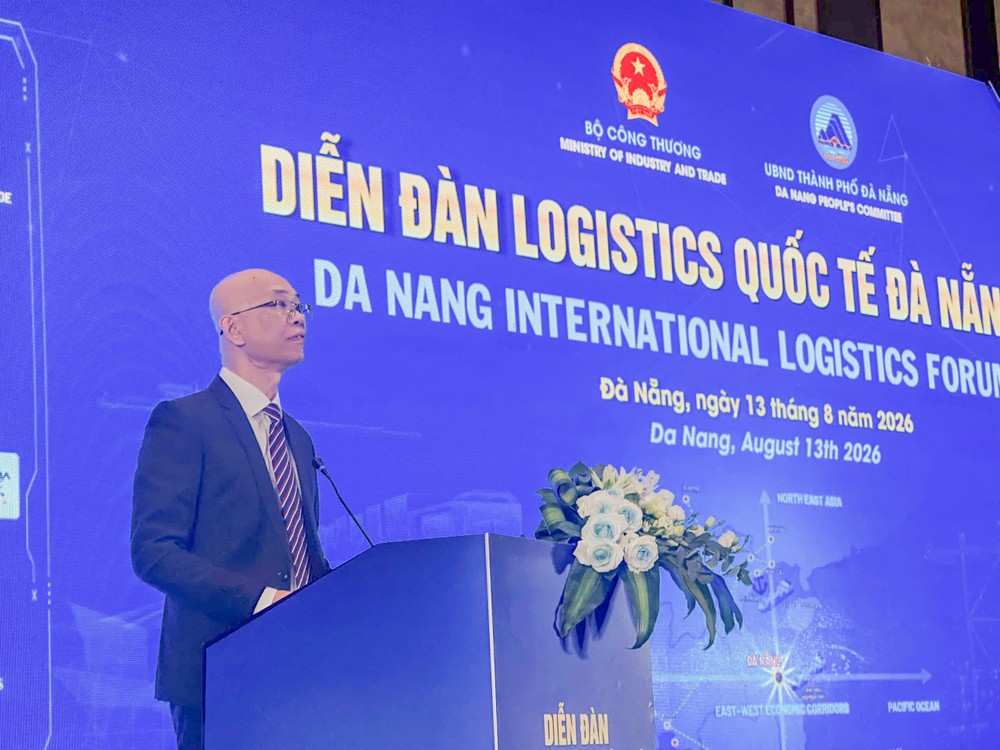
Mr. Tran Thanh Hai, Deputy Director of the Ministry of Industry and Trade's Import-Export Department, said Da Nang had the conditions to emerge as a new growth pole in regional and global logistics networks.
The ministry is working with other ministries, local authorities, and businesses to implement Vietnam's Logistics Services Development Strategy for 2025-35, with a vision to 2050. The strategy aims to build a modern, green, and digital logistics sector, lower costs, and strengthen links with manufacturing, trade, and global supply chains.