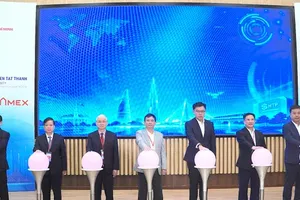
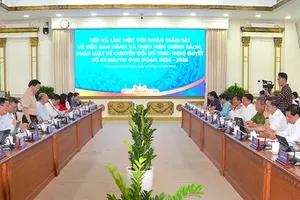
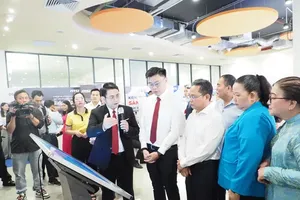
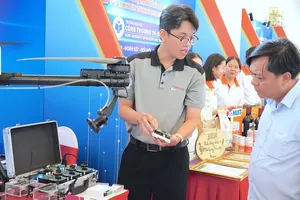
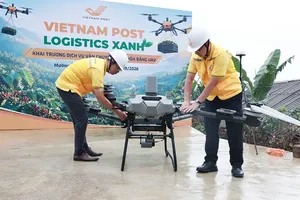
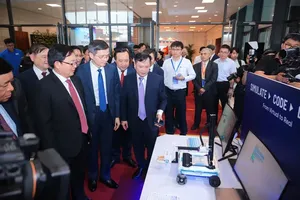
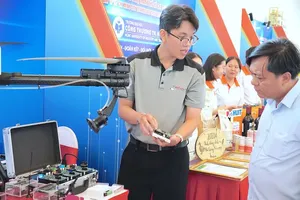
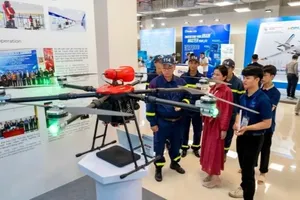
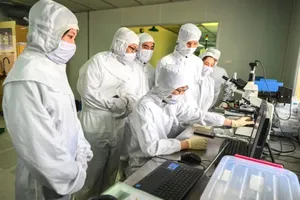
On the morning of June 11, the Ho Chi Minh City Technology Exchange hosted a technology demonstration and networking event themed "Developing the UAV Ecosystem in the Low-Altitude Space Economy".
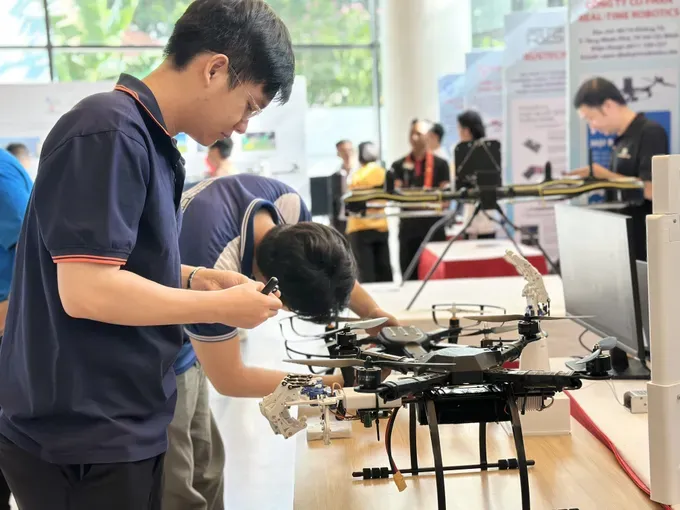
The event aimed to promote technology supply-demand connectivity and assist businesses in accessing solutions in the unmanned aerial vehicle (UAV) sector.
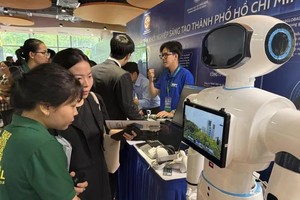
The event serves as a networking forum for state management agencies, institutes, universities, experts, and the business community to discuss development trends in the UAV industry and introduce new technological solutions. It also aims to promote research cooperation, application, and technology transfer in the fields of UAVs, autonomous robots, and digital transformation.
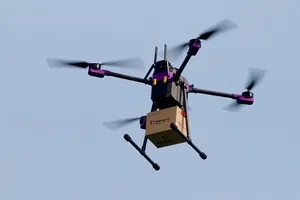
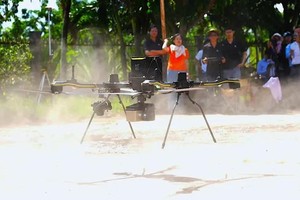
Through technology demonstration activities, attendees had the opportunity to gain practical access to advanced UAV solutions currently being applied across multiple sectors. Concurrently, businesses and investors had the chance to assess the feasibility of the technologies, thereby creating a bridge to promote cooperation, transfer, and commercialization of innovative products.
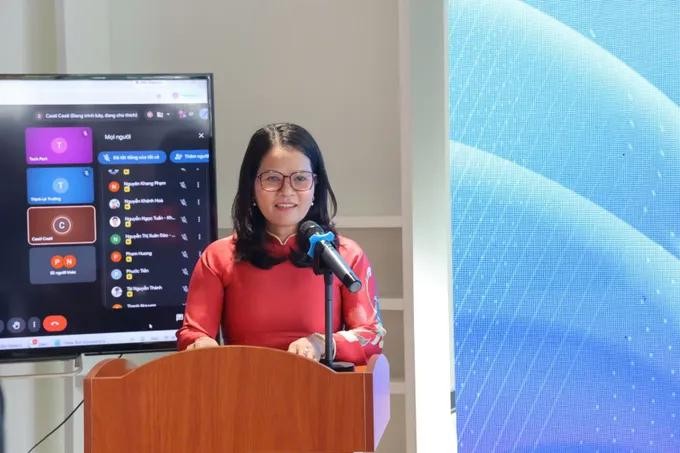
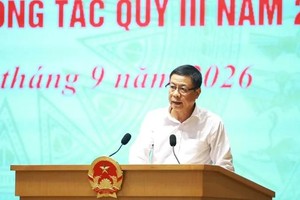
Speaking at the opening ceremony, Nguyen Hoang Bao Tran, Deputy Director of the Ho Chi Minh City Department of Science and Technology, stated that Ho Chi Minh City not only possesses advantages in urban areas, industry, and services but also converges many favorable conditions in high-tech agriculture, the marine economy, logistics, and diverse natural ecosystems. This serves as an ideal practical environment to research, test, and evaluate the effectiveness of UAV application models across various fields.
"The year 2026 marks a significant step forward as numerous controlled trial models continue to be deployed to evaluate the applicability of UAVs in state management, logistics, and service provision. However, for this sector to develop sustainably, the technological element alone is insufficient; it requires building a complete ecosystem with the synchronized participation of regulatory agencies, businesses, institutes, universities, experts, and local authorities," Deputy Director Nguyen Hoang Bao Tran shared.
As UAVs gain broader adoption across logistics, urban management, infrastructure inspection, and high-tech agriculture, the low-altitude space economy is emerging as a promising new growth area. The convergence of UAV technologies with artificial intelligence, Big Data, and the Internet of Things is opening opportunities for new business models while improving the efficiency of urban operations and public service delivery.
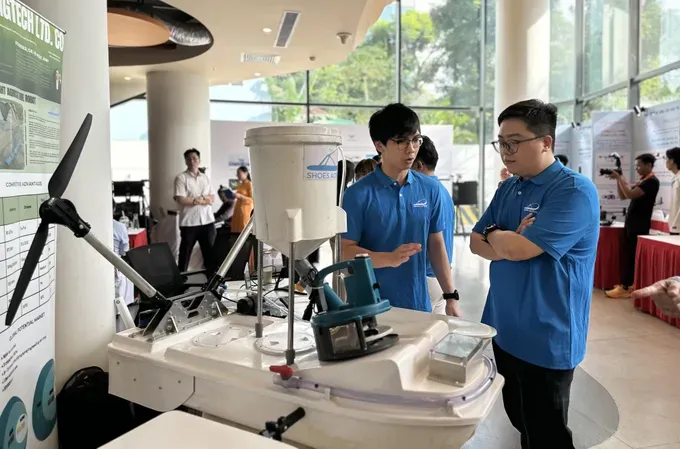
In Ho Chi Minh City, the year 2026 marks a major milestone with the implementation of a UAV delivery pilot model. Notably, the cross-sea UAV delivery route connecting Can Gio and Vung Tau has opened up new prospects for smart logistics and the development of the low-altitude space economy.
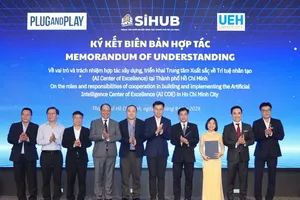
On this occasion, the Ho Chi Minh City Department of Science and Technology and the An Giang Province Department of Science and Technology signed a cooperation agreement. The partnership aims to contribute to improving the operational efficiency of the technology exchange system, promote technology supply-demand connectivity, and support businesses in accessing innovative solutions to serve local socio-economic development.