At a discussion titled “Should Consumers Be Concerned About Using E10 Gasoline?” hosted by the Government Electronic Information Portal on June 1, representatives from government agencies, industry associations and technical research institutions addressed public concerns surrounding the use of E10 biofuel.
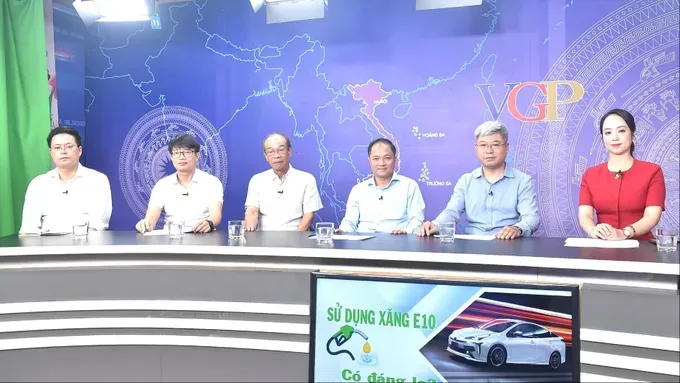
According to Mr. Dao Duy Anh, Deputy Director General of the Department of Innovation, Green Transition and Industrial Promotion under the Ministry of Industry and Trade, the roadmap for introducing biofuels has been carefully developed based on comprehensive assessments of supply capacity, storage infrastructure, blending facilities, transportation systems and distribution networks.

Once all assessments have been completed and sufficient information is available, there is no reason to continue circulating conventional mineral gasoline, he said. Maintaining fossil-fuel gasoline would make it impossible to reduce dependence on fossil energy sources and strengthen national energy security. That is why the Government is committed to a comprehensive transition.
One of the most common concerns among consumers is that E10 gasoline, which contains 10 percent ethanol, could damage fuel lines, rubber seals or engine components because ethanol has solvent properties.
However, Associate Professor Dr. Pham Huu Tuyen, Director of the Center for Research on Engines and Self-Propelled Vehicles at Hanoi University of Science and Technology, said that such concerns are largely unfounded.
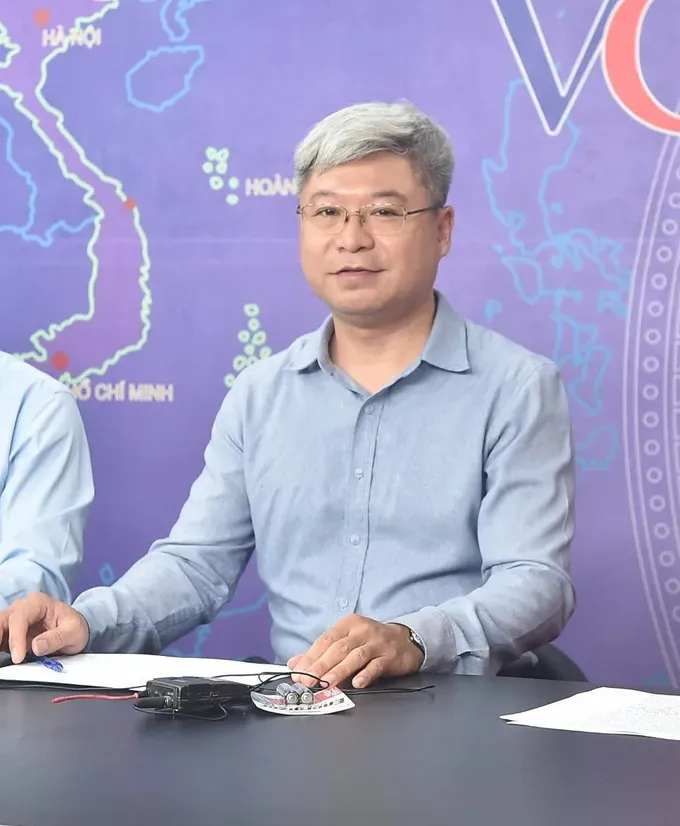
E10 biofuel has been used globally since the 1980s, he said. In Vietnam, automobile and motorcycle manufacturers have also confirmed the compatibility of engine components with E10 gasoline.
The research center has conducted tests on several vehicle models manufactured before 2000. Results showed that in some cases, the impact of E10 was virtually identical to that of conventional gasoline, while any effects on older vehicles were negligible.
As a result, consumers can confidently use E10 gasoline, he said. Owners of older vehicles that are approved to use RON 92 fuel may continue using E5 RON 92 gasoline, which remains available on the market.
Another concern raised by consumers is fuel efficiency. Because ethanol contains less energy per unit volume than conventional gasoline, some drivers fear that vehicles using E10 may experience reduced power output or increased fuel consumption.
Addressing this issue,he noted that the energy density of E10 is approximately 3–4 percent lower than that of conventional gasoline. However, tests conducted by the research center found that vehicle performance and fuel consumption levels when using E10 were generally comparable to those recorded with mineral gasoline.
Mr. Do Van Tuan, Chairman of the Vietnam Biofuels Association, said that E10 gasoline has already been widely used by most vehicles since early May, with tens of millions of cars and motorcycles operating normally.
In many cases, E10 simply brings underlying mechanical issues to light,” he said. A basic maintenance check of the fuel system, including hoses and injectors, is usually sufficient to resolve the problem.

Mr. Dao Duy Anh underscored the strategic importance of fuel, describing it as the “lifeblood” of the economy. He said consumers should have confidence in the quality of fuels authorized for sale, noting that no government would compromise fuel standards in pursuit of environmental or economic objectives.