Forged through the years of war and tested by the challenges of changing times, the comradeship and brotherhood between the two peoples have become an invaluable legacy, carefully preserved, nurtured and passed down by generations of leaders and people of both countries.
In December 1960, Cuba was the first country in the Western Hemisphere to establish diplomatic relations with Vietnam. Three years later, under the direction of Commander-in-Chief Fidel Castro, the Cuban Committee for Solidarity with South Vietnam was established, demonstrating Cuba’s strong and timely support as Vietnam entered the most difficult phase of its resistance war against the United States.
From Revolution Square in Havana to factories and schools, the spirit of “All for Vietnam” spread widely, leaving a profound impression on the people of both countries and friends around the world.
On January 2, 1966, at a rally held at José Martí Revolution Square in Havana to mark the anniversary of the Cuban Revolution and welcome the Tricontinental Conference of Asian, African and Latin American Peoples, Leader Fidel Castro made his historic declaration “For Vietnam, Cuba is willing to shed its own blood.”
More than a political declaration, the statement became a lasting symbol of Cuba’s profound solidarity and unwavering support for Vietnam, demonstrating Cuba’s commitment to standing firmly with Vietnam in its struggle for national liberation.
Leader Fidel Castro translated that commitment into action, calling on governments and peoples around the world to support Vietnam during his overseas visits and regularly participating in solidarity marches and activities in Cuba.
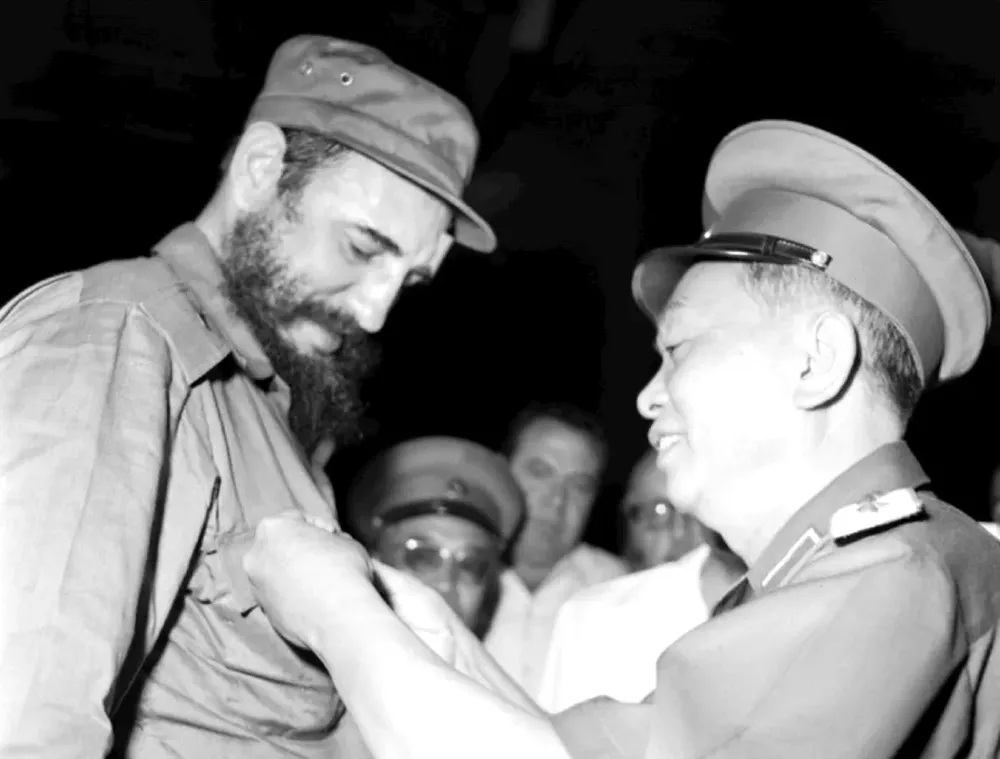
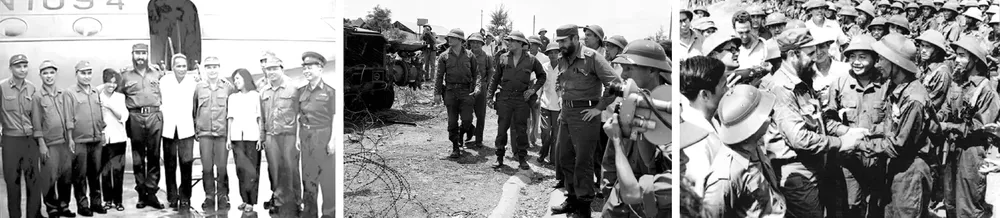
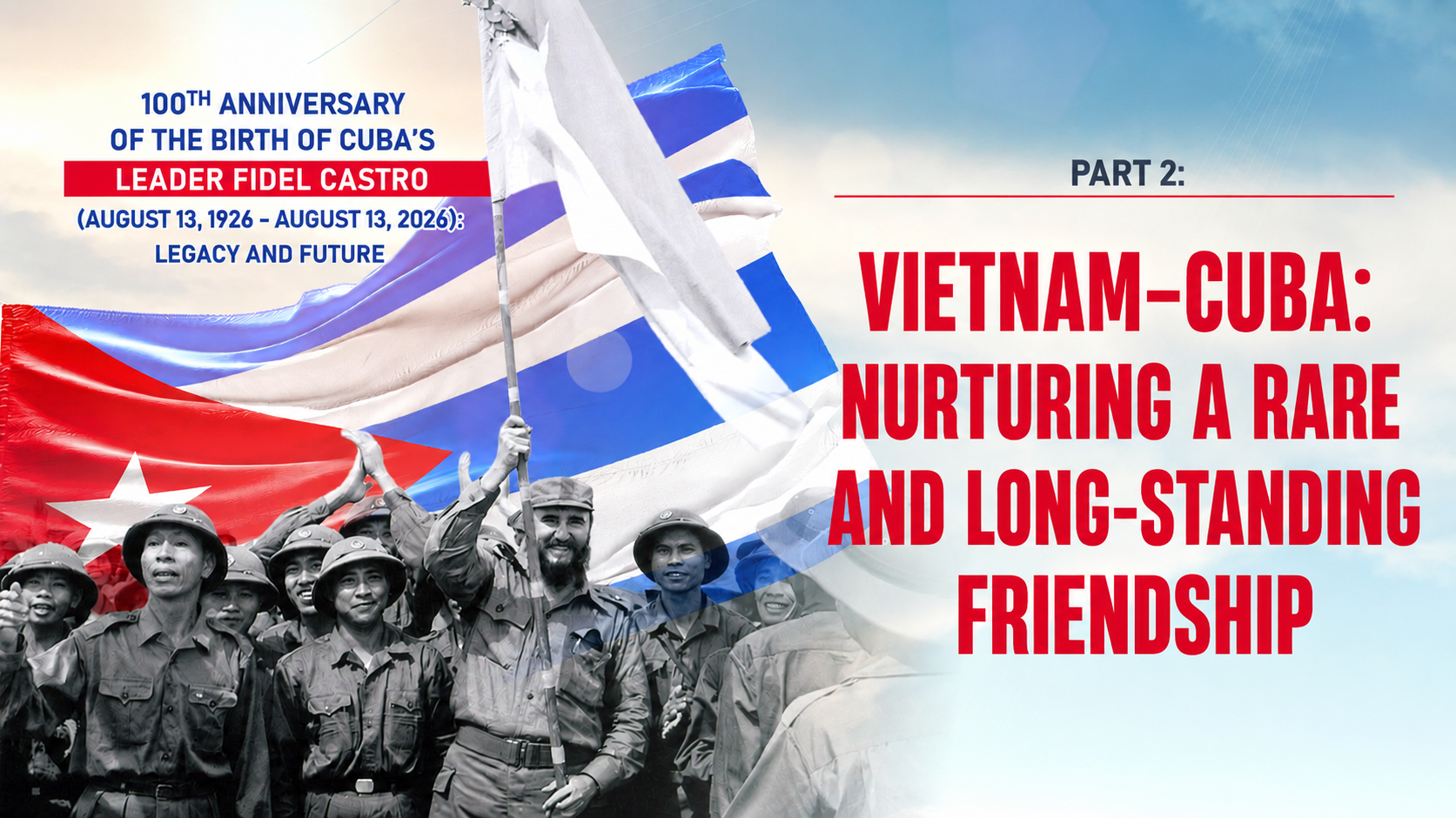
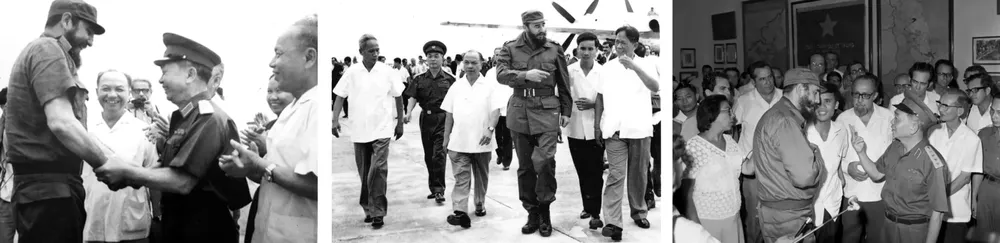
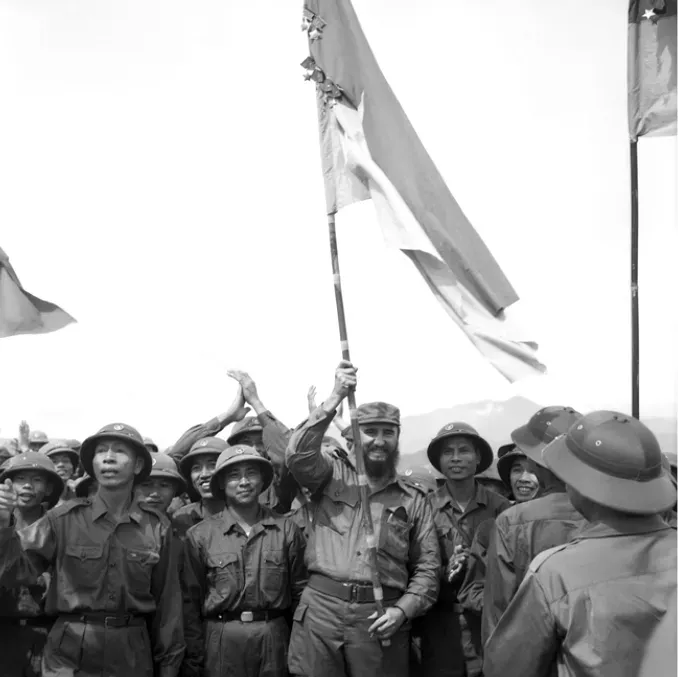
In September 1973, Leader Fidel Castro became the first and only foreign head of state to visit the liberated area of South Vietnam in Quang Tri Province. The image of him raising the flag of the National Liberation Front of South Vietnam at Hill 241 in Cam Lo has remained deeply engraved in the memories of generations of Vietnamese people and became a tremendous source of encouragement for the struggle to liberate South Vietnam and reunify the country.
During his second visit to Vietnam in December 1995, President Fidel Castro affirmed that the Vietnamese people would always be close and trusted friends and brothers of the Cuban people. He expressed his firm belief that solidarity, friendship and comprehensive cooperation between Cuba and Vietnam would continue to be strengthened and developed.
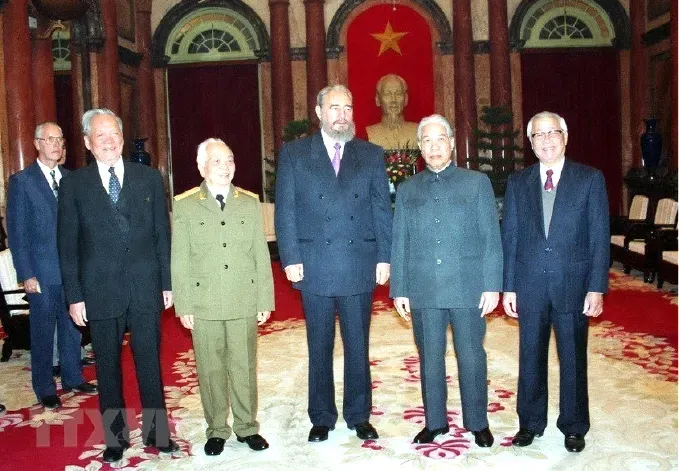
At a state banquet held in honor of the Cuban Party and Government delegation led by Leader Fidel Castro, Party General Secretary Do Muoi affirmed that Vietnam-Cuba solidarity, friendship and cooperation have stood the test of time and continued to grow stronger through mutual trust and unwavering support. He urged both sides to preserve and build on this precious legacy in the interests of their peoples and in pursuit of peace, development and cooperation worldwide.
During his third visit to Vietnam in February 2003, which was also his final visit, President Fidel Castro said that Vietnamese comrades had often expressed their gratitude for the solidarity extended by the Cuban people to Vietnam’s heroic struggle. However, he stressed that it was Cuba that should thank Vietnam for its victory over a powerful adversary and for the profound impact that victory had on oppressed and exploited peoples around the world.
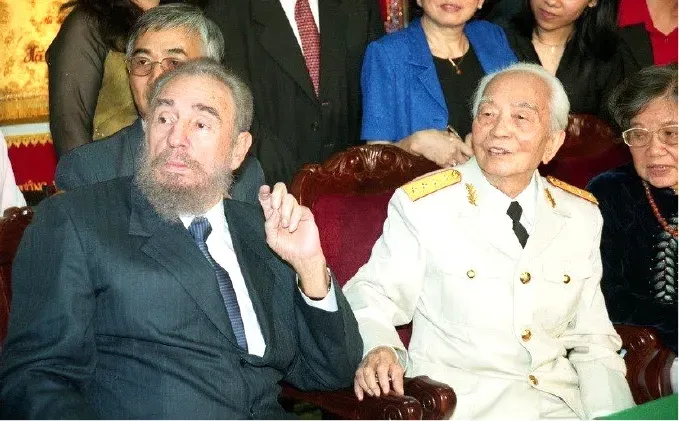
During the visit, President Fidel Castro held a warm meeting with General Vo Nguyen Giap, reaffirming the close bond between the two distinguished leaders of the national liberation movement.
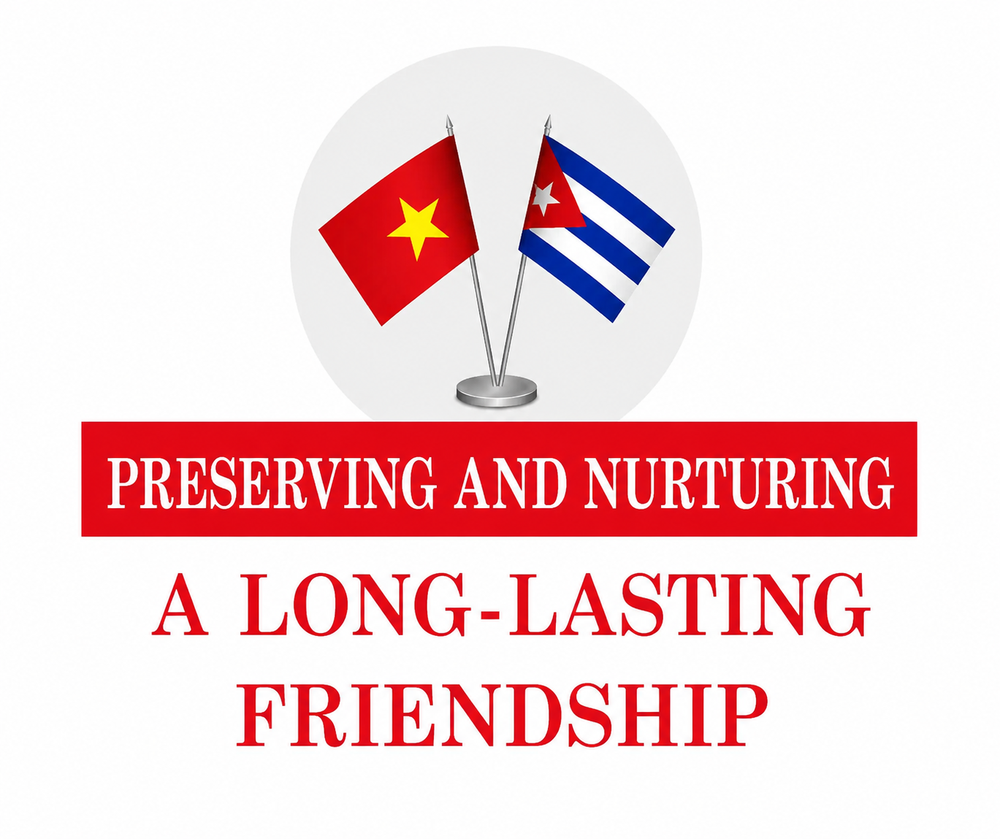
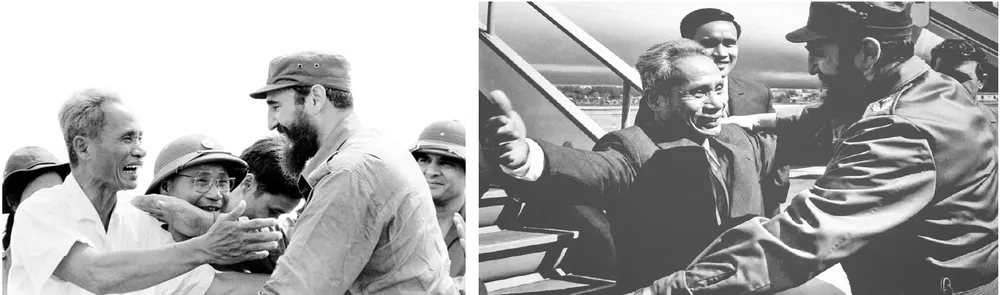
In response to the profound affection shown by Leader Fidel Castro and the Cuban people, successive generations of Vietnamese Party and State leaders have continued to nurture and strengthen the special relationship with Cuba through high-level visits. General Secretaries of the Communist Party of Vietnam, Presidents, Prime Ministers and National Assembly Chairpersons, along with delegations from various ministries and agencies, have visited Cuba over the years. Cuban leaders have likewise made regular visits to Vietnam, further deepening the special ties between the two countries.
Even during the Covid-19 pandemic, the highest-ranking leaders of the Parties and States of Vietnam and Cuba maintained regular exchanges on measures to strengthen and deepen bilateral relations through telephone calls and online meetings.
The traditional solidarity, mutual support and comprehensive cooperation between Vietnam and Cuba have continued to receive close attention, with both sides working to strengthen and advance ties across various fields while supporting each other at international forums.
Vietnam is currently Cuba’s second-largest trading partner in the Asia-Pacific region and the largest Asian investor in Cuba.
The “65 Years of Vietnam-Cuba Affection and Solidarity” national program, launched to mobilize support for the Cuban people, garnered widespread public support and reflected the deep affection of the Vietnamese people for Cuba. By October 2025, the program had received more than VND600 billion (US$23.5 million) in contributions. Its success has provided valuable momentum for advancing the three pillars of Vietnam’s external relations, including Party-to-Party diplomacy, State diplomacy and people-to-people diplomacy, thereby further consolidating and elevating the traditional friendship and close bond between Vietnam and Cuba.
Following the passing of Leader Fidel Castro, Vietnam promptly dispatched a high-level Party and State delegation, led by former National Assembly (NA) Chairwoman Nguyen Thi Kim Ngan, to Cuba to attend the funeral and pay tribute to the Cuban revolutionary leader. Former NA Chairwoman Nguyen Thi Kim Ngan was the first foreign leader to lead a high-level delegation to Cuba to express condolences to the Cuban Party, State and people and honor the memory of Leader Fidel Castro.
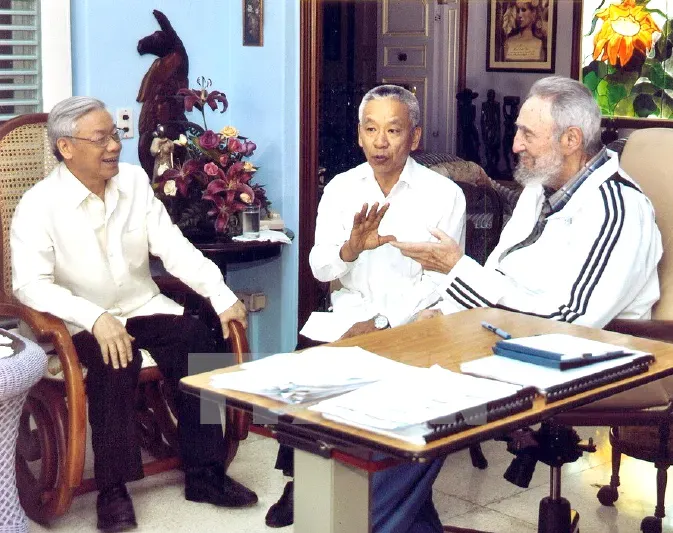
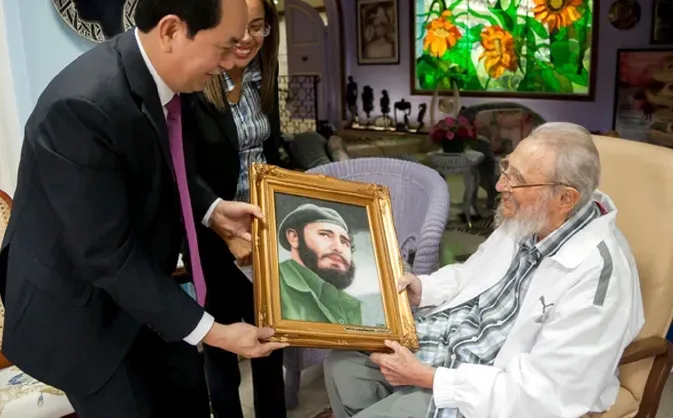
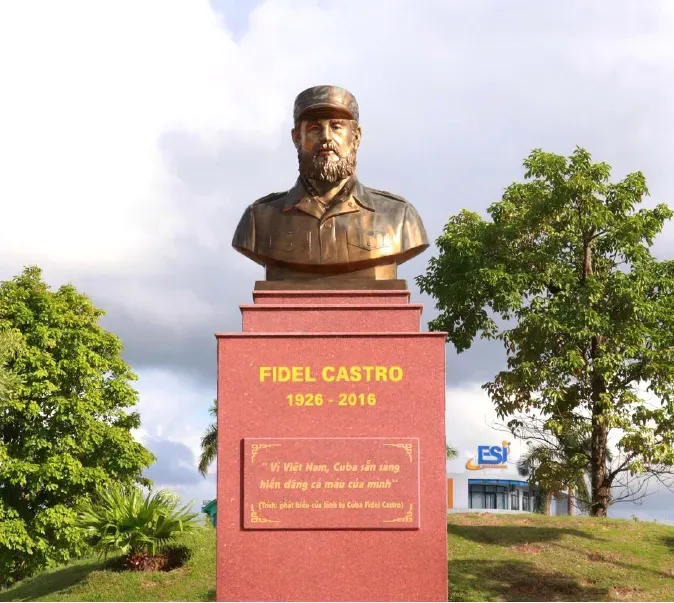
A distinctive symbol of Cuba on Vietnamese soil emerged decades after Leader Fidel Castro’s historic visit. On September 15, 2018, Fidel Castro Park was inaugurated in Dong Ha City, Quang Tri Province, marking the 45th anniversary of his visit to Quang Tri.
The monument dedicated to President Ho Chi Minh in Havana is a prominent symbol of Vietnam in Cuba. The monument was inaugurated on May 19, 2003, on the occasion of the 113th birth anniversary of President Ho Chi Minh. It was designed by Cuban architect Joel Díaz, Vice President of the Cuba-Vietnam Friendship Association.
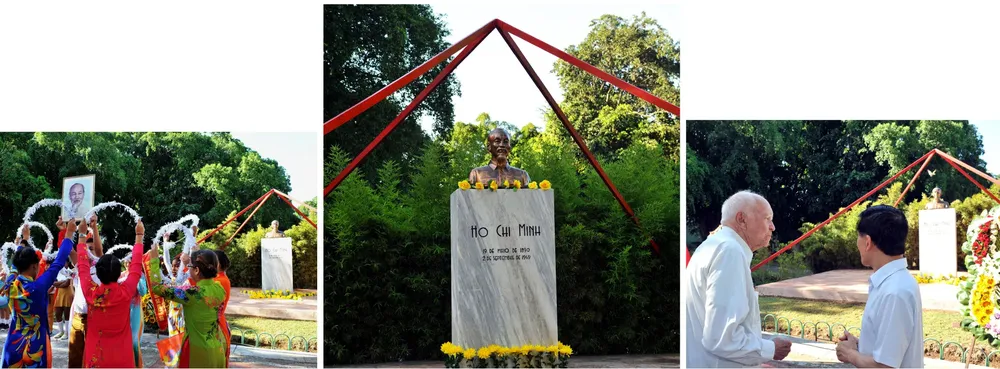
Located in Peace Park, the monument reflects the profound respect of the Cuban people for President Ho Chi Minh and has become a familiar venue for commemorative activities, cultural exchanges and friendship events between the two countries.
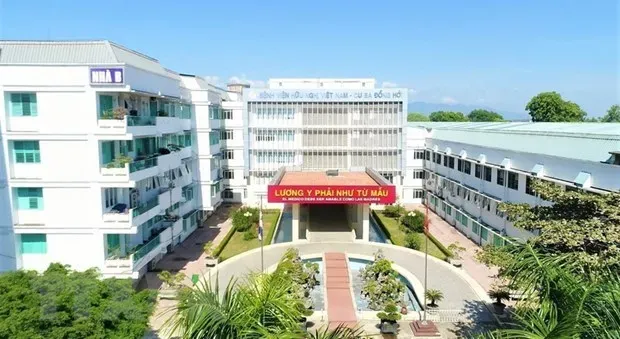
During his visit to Quang Binh and Quang Tri in September 1973, Leader Fidel Castro decided to present Quang Binh with a modern hospital to serve residents and military personnel evacuated from battlefields in South Vietnam. Construction began on May 19, 1974, and the facility was inaugurated and put into operation on September 9, 1981, with a capacity of 462 beds.
Vietnam-Cuba Friendship Hospital in the capital city of Hanoi was established on June 18, 1969. The decision to name the hospital “Vietnam-Cuba” during the war years reflected Vietnam’s deep appreciation for the solidarity and support extended by the Cuban Party, State and people.
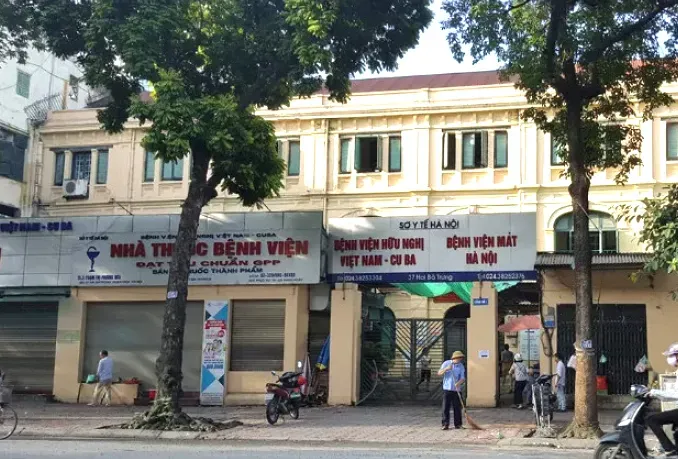
Following its establishment, Cuba sent doctors, nurses and medical experts to work alongside their Vietnamese counterparts in patient care, surgery and the transfer of medical expertise and technologies.
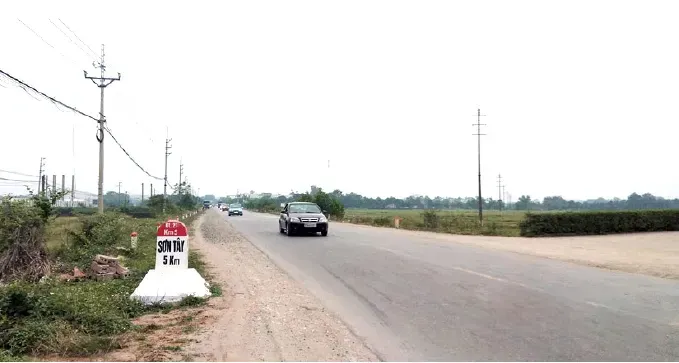
Cuba also helped Vietnam build an approximately 19-kilometer paved road connecting Son Tay and Xuan Mai, popularly known as the “Cuba Road.” Cuban engineers and workers directly participated in construction while sharing road-building expertise and technical know-how with their Vietnamese counterparts.
The affection of the Cuban people for Vietnam has also been reflected in numerous schools and educational institutions named after President Ho Chi Minh and Vietnamese heroes.
One particularly meaningful example is Ho Chi Minh Primary School (Spanish: Escuela Primaria Tío Ho) in Havana, founded in 1976 to mark the first anniversary of the Liberation of South Vietnam and national reunification. Known affectionately as “Uncle Ho School,” it has become a symbol of the friendship between the two peoples and a place where Cuban students learn about Vietnam’s history, culture and people.
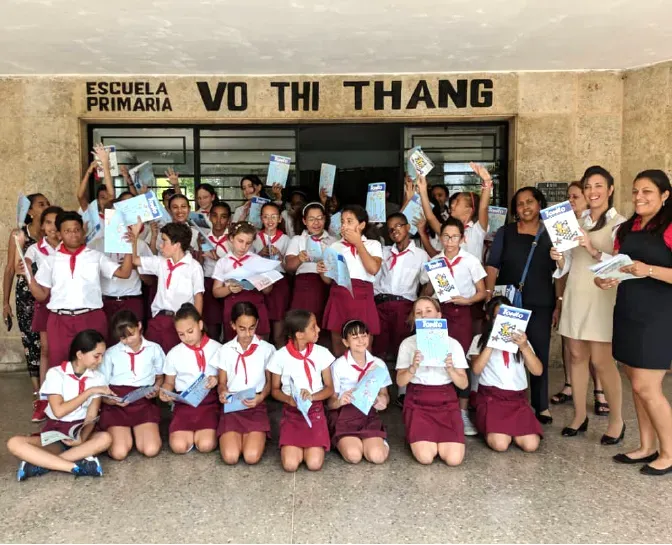
Havana is also home to Nguyen Van Troi Primary School and Vo Thi Thang Primary School. These schools bearing Vietnamese names contribute to educating younger generations of Cubans about the history and special friendship between the two countries.
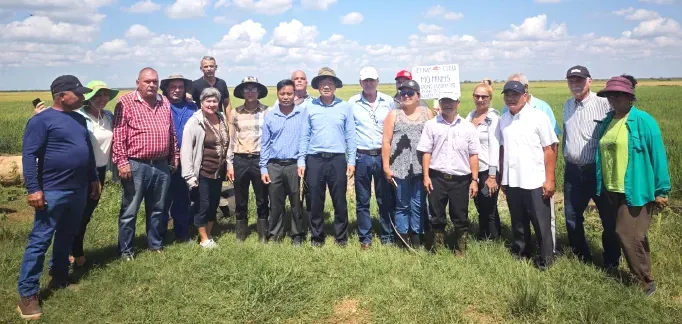
For many years, Vietnam has sent experts to Cuba to support agricultural development, particularly rice production. Cooperation has focused on the transfer of crop varieties, farming techniques, intensive cultivation practices and production organization, contributing to strengthening Cuba’s capacity for food production.