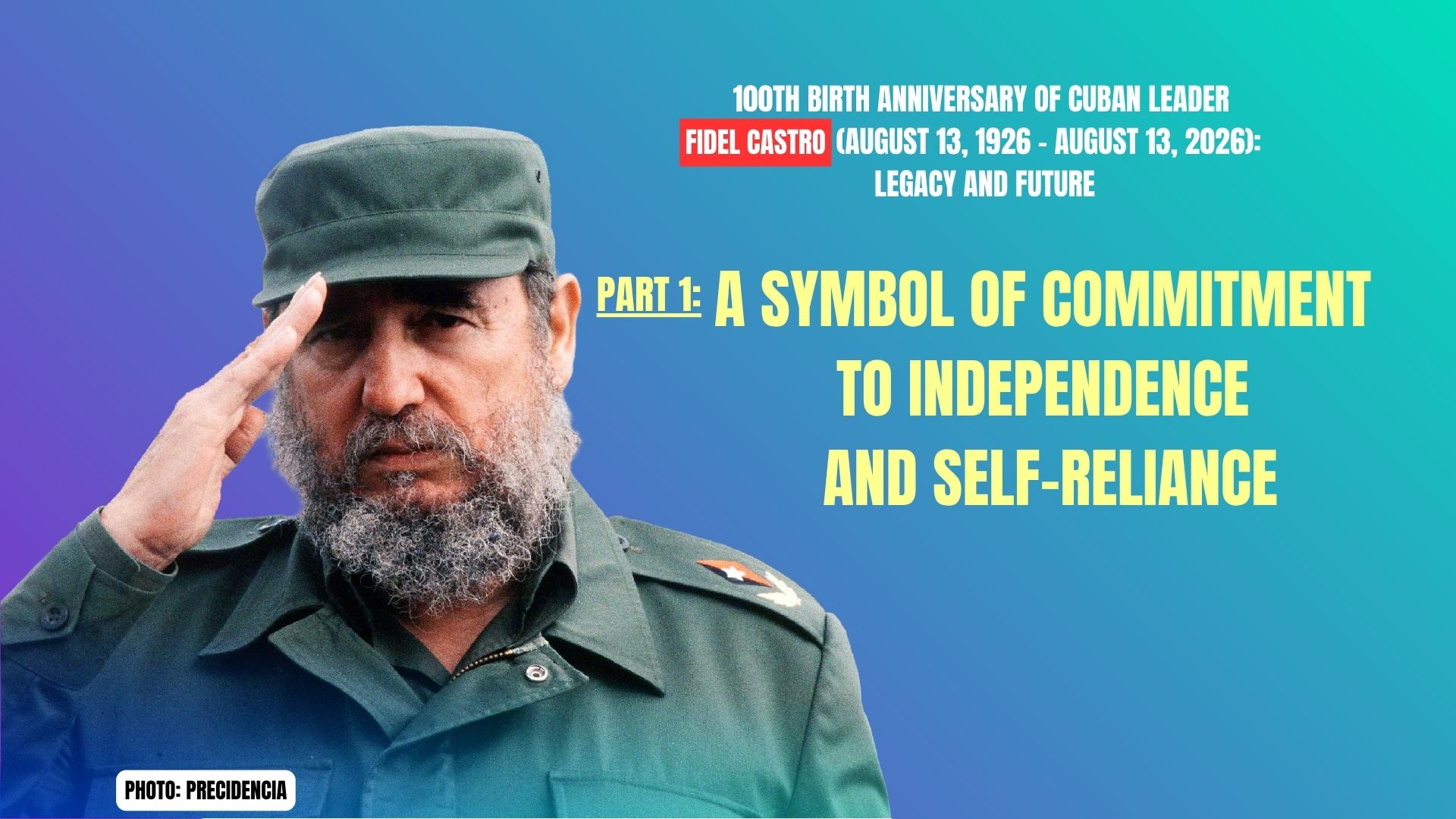
From a young lawyer to the leader of the revolutionary forces that overthrew the Batista dictatorship in 1959, and ultimately becoming one of the most influential figures of the 20th century, the life of Cuban Leader Fidel Castro was filled with pivotal historical events.
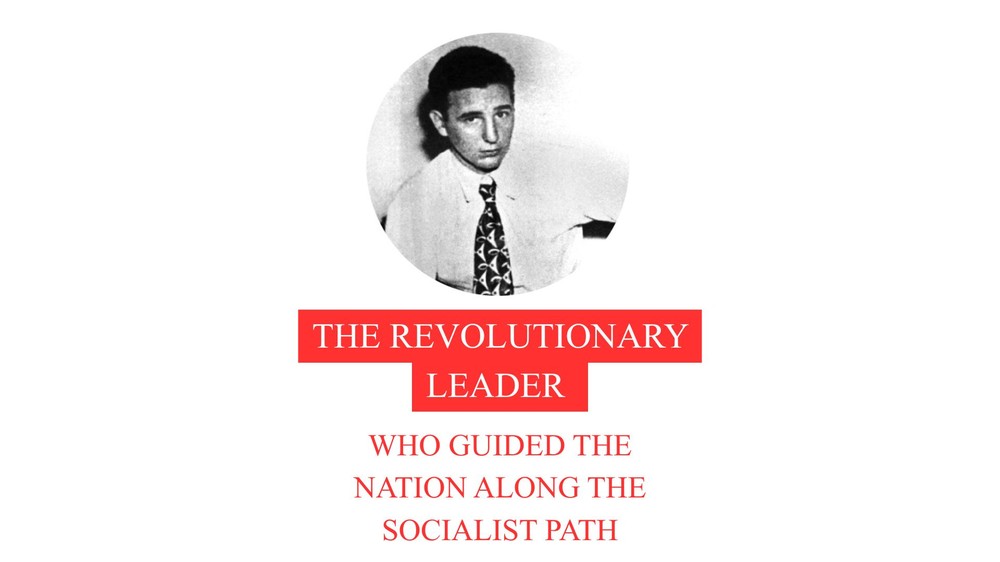
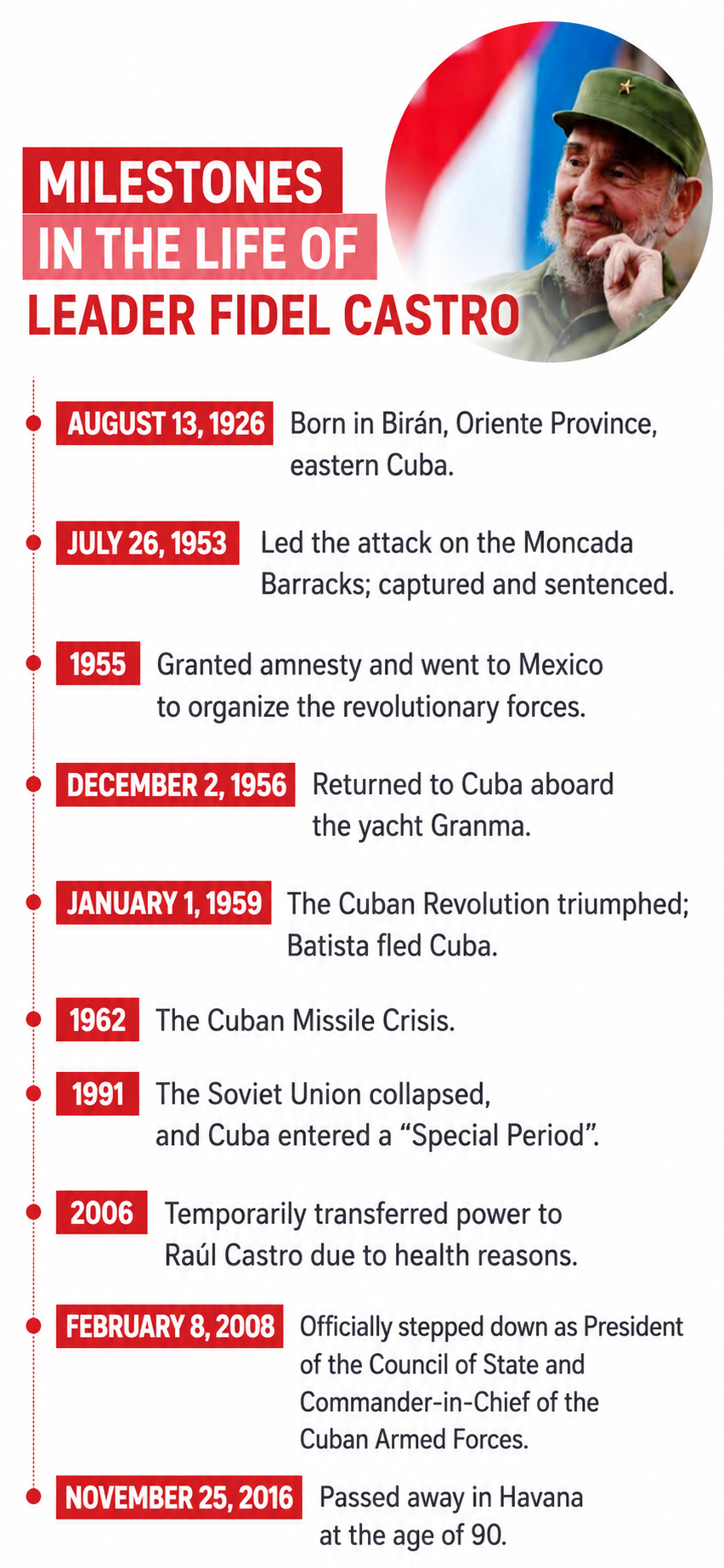
Leader Fidel Castro Ruz was born on August 13, 1926, in Birán, Oriente Province, Eastern Cuba, into a well-off family. He attended Catholic schools before entering the University of Havana, where he studied law and graduated in 1950.
His university years brought Fidel Castro closer to political activism. At that time, Cuba was undergoing significant upheaval against the backdrop of deep American influence over the island nation's economic and political life. After graduation, Fidel practiced law while joining the Orthodox Party (Partido Ortodoxo), a nationalist movement that fought corruption and opposed foreign dominance.
In 1952, as he was preparing to run for Parliament, Fidel witnessed General Fulgencio Batista launch a coup d'état, suspend the electoral process, and establish a dictatorship. From then on, Fidel shifted from legal political activities to organizing an armed struggle.
On July 26, 1953, Fidel Castro and his comrades launched an attack on the Moncada Barracks in Santiago de Cuba. The attack failed, many fighters lost their lives, and Fidel was arrested and subsequently sentenced to 15 years in prison.
At his trial, Fidel defended himself with a speech that later became famous as La Historia me absolverá (History Will Absolve Me). Beyond defending himself, he articulated his vision for the necessary transformations in Cuba.
Granted amnesty in 1955, Fidel traveled to Mexico to organize revolutionary forces. There, he met Ernesto “Che” Guevara, and together they prepared a plan to return to Cuba. This force was named the "26th of July Movement," tied to the attack on the Moncada Barracks.
On December 2, 1956, Fidel Castro and around 80 fighters returned to Cuba aboard the yacht Granma. The landing party was quickly scattered by Batista's army; only a small group survived and retreated into the Sierra Maestra mountains, among them Fidel Castro, Raúl Castro, Ernesto “Che” Guevara, and Camilo Cienfuegos.
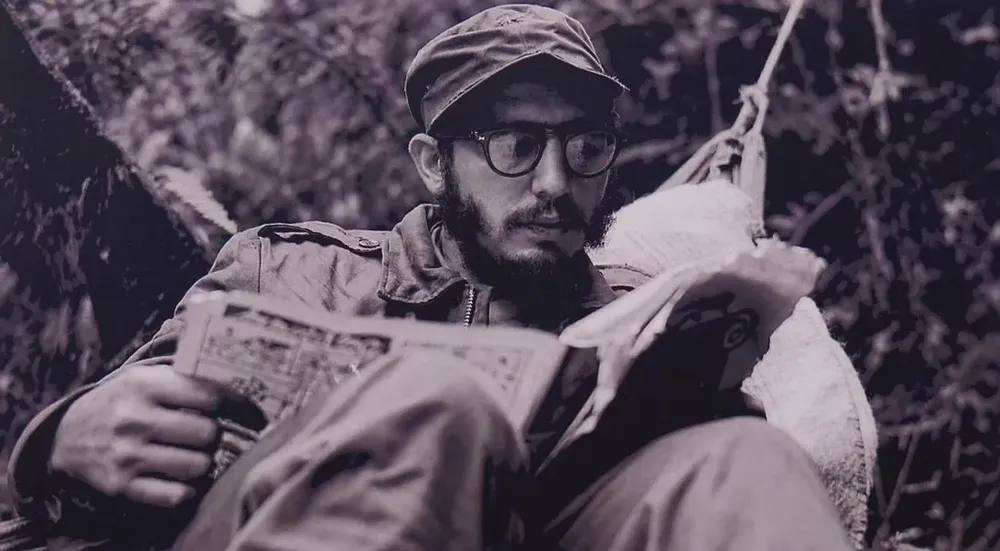
From the Sierra Maestra in southeastern Cuba, the revolutionary forces gradually built bases, expanded their ranks, and waged guerrilla warfare. After roughly two years, the movement gained growing support, while Batista's army found itself in an increasingly difficult position.
By late 1958, the balance of power had shifted decisively. On January 1, 1959, Batista fled Cuba, marking the triumph of the Revolution. Fidel Castro became the central figure of the new government and assumed the position of Prime Minister of Cuba in February 1959.
From this point, Fidel Castro's life entered a new chapter. From a leader of a revolutionary movement, he became the head of the Cuban government, leading the country along the socialist path.
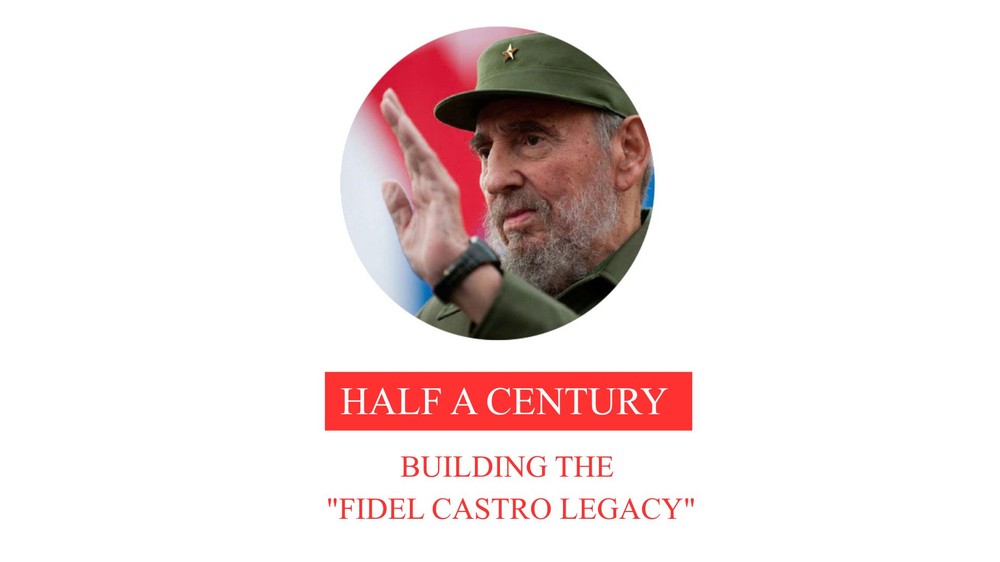
The new government enacted sweeping political and economic changes, including the nationalization of enterprises, agrarian reform, and the step-by-step guidance of Cuba toward socialism.
Cuba–U.S. relations deteriorated rapidly. Washington opposed the policies of Fidel Castro's administration, while Havana strengthened its ties with the Soviet Union. In January 1961, the United States severed diplomatic relations with Cuba and expanded economic embargo measures.
In the decades that followed, Fidel Castro maintained a central role in Cuban political life. In 1976, he became President of the Council of State and President of the Council of Ministers, while continuing to serve as the top leader of the Communist Party of Cuba.
Under Fidel's leadership, Cuba established universal public health and education systems. The 1961 literacy campaign became a prominent milestone in Cuban educational history, later recognized by UNESCO. The World Health Organization (WHO) has also acknowledged the remarkable achievements of Cuba's public healthcare system relative to its economic resources.
In 1991, the dissolution of the Soviet Union presented the greatest challenge yet for Cuba. The Cuban government introduced several economic adjustments, expanding non-state economic activities and promoting tourism to earn foreign currency, all while maintaining the core pillars of the socio-political model built after 1959.
In 2006, due to health reasons, President Fidel Castro temporarily transferred leadership powers to his brother, Raúl Castro. Two years later, he announced that he would not seek another term as President of the Council of State and Commander-in-Chief of the Cuban Armed Forces.
After stepping down from state leadership, Fidel Castro continued to write, deliver speeches, and follow domestic and international political developments.
On November 25, 2016, Leader Fidel Castro passed away in Havana at the age of 90.
Leader Fidel Castro became one of the most internationally influential Latin American figures of the 20th century. His life was not only intertwined with the history of Cuba, but was also an integral part of world history, the national liberation movement, and the major upheavals of the modern era.
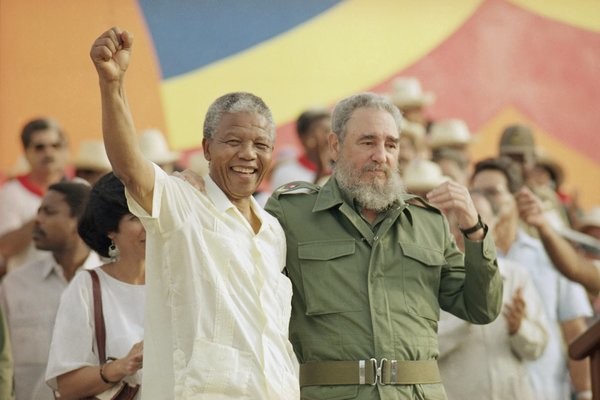
Fidel Castro elevated Cuba into a voice of influence far beyond its borders. During the Cold War, Cuba supported numerous national liberation movements across Asia, Africa, and Latin America. Leader Fidel Castro maintained relations with many leaders of developing nations and played a crucial role in the Non-Aligned Movement.
Cuba's influence under Leader Fidel Castro was particularly evident in Africa. Cuba deployed thousands of military personnel and experts to Angola to support its government during internal conflicts, and contributed to resolving conflicts and advancing Namibia's path toward independence, ultimately leading to political transformations in South Africa.
The relationship between Fidel Castro and South African President Nelson Mandela stands as a prominent symbol of Cuba's role in Africa. President Mandela repeatedly expressed gratitude for Cuba's support in the struggle against apartheid. During his visit to Cuba in 1991, he described Fidel Castro as a friend to South Africa's liberation struggle.
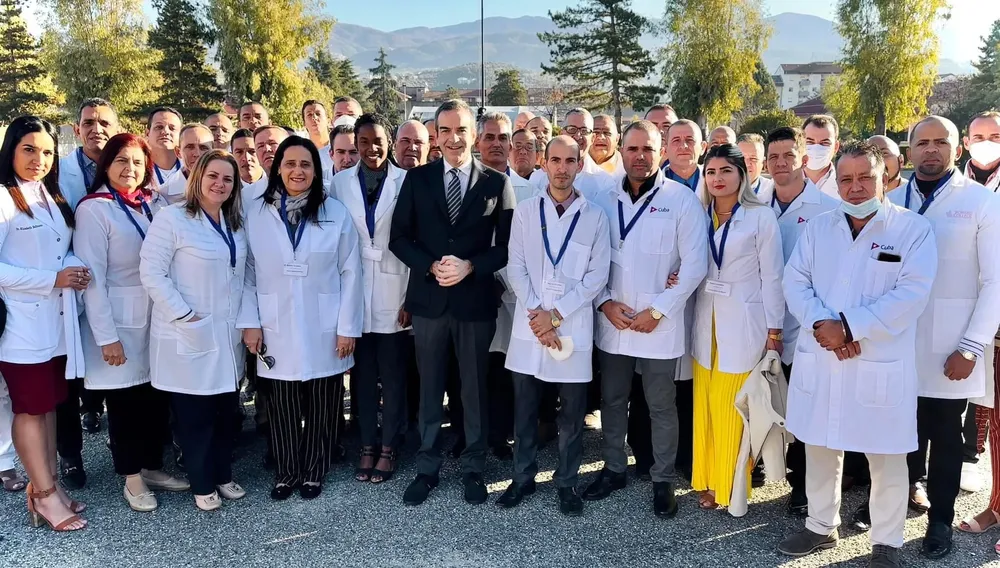
Cuba's international role extended beyond military and political spheres; healthcare and education also became vital domains of cooperation. Cuba dispatched doctors to many countries to assist with medical care, while welcoming and training international students, particularly from developing nations. These efforts contributed to building "soft power" for Cuba. For many developing countries, especially during the height of national liberation movements, Fidel Castro became a symbol of steadfastness in pursuing independence and self-determination.
On the occasion of the 100th anniversary of Leader Fidel Castro's birth (August 13, 1926 – August 13, 2026), the Fidel Castro Ruz Center is organizing the First International Colloquium "Fidel: Legacy and Future"; from August 10 to 13 at the Havana Convention Center, Cuba.