Global venture capital flows are opening major opportunities for Vietnam’s startup and innovation ecosystem. However, turning this capital into a true launchpad will require a clear positioning strategy and stronger domestic capacity to absorb investment.
Summit urges balance of global capital, local expertise
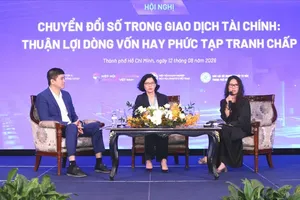
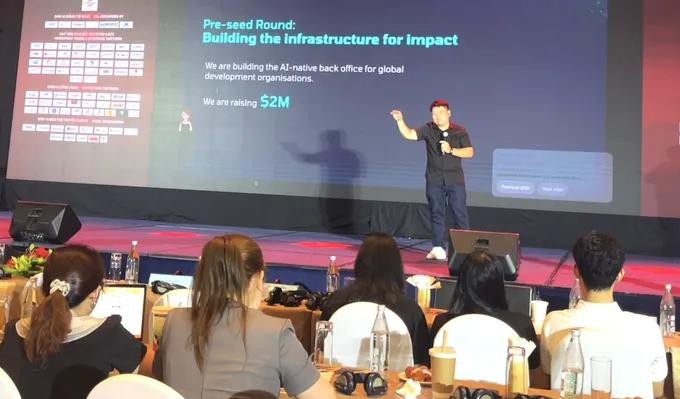
Speaking at the Da Nang Venture and Angel Summit (DAVAS) 2026 on May 27, financial experts and international fund managers agreed that Vietnam is entering a pivotal stage in building its venture capital ecosystem. The market’s appeal is considerable, but the ability to effectively connect with global capital flows will depend on the country’s capacity to receive investment, operate deals and convert capital inflows into tangible growth indicators.
Drawing from experience across multiple markets, Ruslan Rakymbay, Investment Director at Quest Ventures, said international investors can bring not only financial resources but also global networks and management expertise. In the long term, however, no ecosystem can sustain development if it relies entirely on external factors. Vietnam, he said, needs to proactively strengthen domestic expertise by absorbing international knowledge and training high-quality talent with agile thinking within the local market itself.
Bui Thanh Do, Founding Partner and CEO of ThinkZone Ventures, highlighted another important reality that although foreign funds are well-capitalized and willing to invest in Vietnamese startups, their biggest gap lies in their limited understanding of local culture, market mechanisms and practical conditions on the ground.
For that reason, the development of domestic venture capital funds, combined with plans to establish a national venture capital fund, is expected to become a solid foundation for attracting and activating additional private investment. This would also help promote cross-border investment deals and create long-term financial resources for startups.
Summit stresses governance, synergy to unlock capital flows
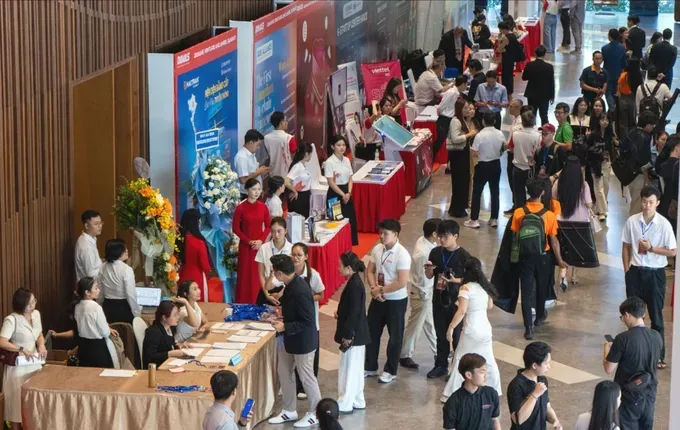
As integration deepens, venture capital increasingly seeks reliable investment environments with consistent communication channels and transparent operating mechanisms. Drawing lessons from regional ecosystems, Tiffany Liu, Executive Committee Member of the Singapore FinTech Association, said capital does not arrive automatically but moves alongside transparent governance policies and the maturity of the ecosystem itself.
According to forecasts, ASEAN’s digital economy is poised for rapid expansion, but no locality can fully optimize resources if it operates in isolation. Instead of pursuing broad-based investment attraction, each city needs to clearly define its strategic strengths, such as smart city development. This, she noted, provides international investors with measurable indicators and confidence for long-term commitments.
Sharing the same view on building a long-term launchpad for innovation, Director General Pham Hong Quat of the Department of Startup and Technology Enterprises under the Ministry of Science and Technology emphasized the increasingly important role of venture capital funds and angel investors. According to him, these actors help bridge gaps in financing and markets, enabling startups to withstand the rapid wave of emerging technologies.
What the ecosystem should aim for, he said, is synergy unlocking capital flows together with management expertise, operational experience and international networks to help Vietnamese businesses expand globally.
By 2030, Vietnam’s national startup and innovation strategy aims to establish 10,000 startups and grow the venture capital market to US$1.5 billion. To achieve this target, pilot policy frameworks with controlled regulatory mechanisms in promising sectors such as artificial intelligence (AI), financial technology, digital assets and logistics are considered essential to attract international talent and capital flows.
When venture capital is guided by enabling institutions and forward-looking policies, innovation activities can truly generate businesses capable of competing on a global scale.