Vietnamese agricultural products and processed foods are expanding their presence across global retail and distribution networks in Europe, the Middle East, and other major markets, according to trade officials and global buyers at a high-level trade conference on August 4.
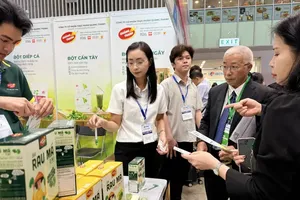
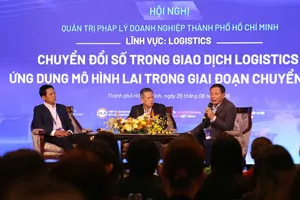
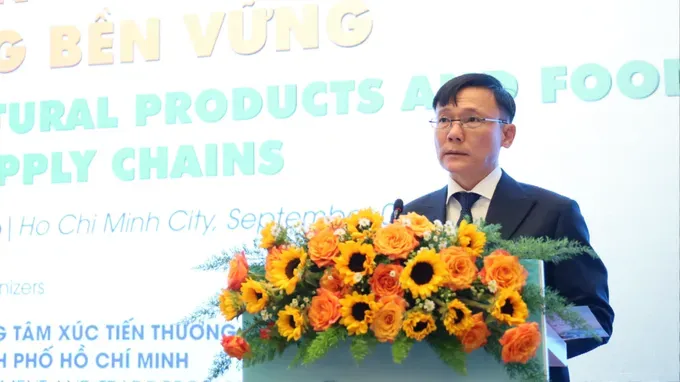
Organized by the Ministry of Industry and Trade in collaboration with the Ho Chi Minh City People’s Committee, the seminar titled "Elevating the Value of Agricultural and Food in Sustainble Supply Chain" focused on strategic measures to deepen local producers' integration into global supply chains.
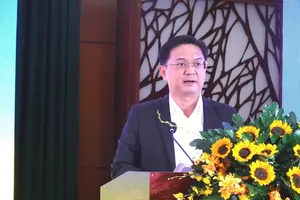
Speaking at the event, Le Anh Hoang, Deputy Director of the Ho Chi Minh City Investment and Trade Promotion Center (ITPC), emphasized that agricultural produce and processed foods play an increasingly vital role in Vietnam's export structure.
Amid ongoing global market fluctuations, the focus must shift from simply boosting export volumes to enhancing product value, diversifying markets, and embedding Vietnamese goods into international distribution channels.
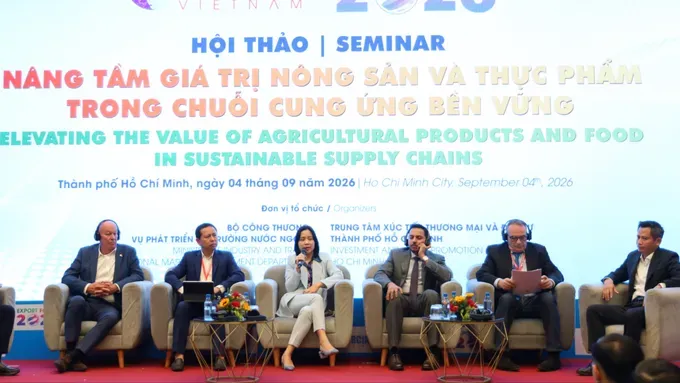
Mirash Basheer, Director of MAY Exports Vietnam, a division of Lulu Group International, revealed that the conglomerate currently sources nearly 890 stock keeping units (SKUs) from Vietnam. The inventory spans fresh fruits and vegetables, rice, coconut products, beverages, confectionery, and various processed foods, encompassing both original equipment manufacturer (OEM) products and Vietnamese-branded goods.
He noted that the long-term goal is to increase the shelf visibility of authentic Vietnamese brands, establishing Vietnam's reputation as a global powerhouse in food production. However, he urged small and medium-sized domestic manufacturers to modernize packaging, strengthen brand building, and align product presentations with international standards.
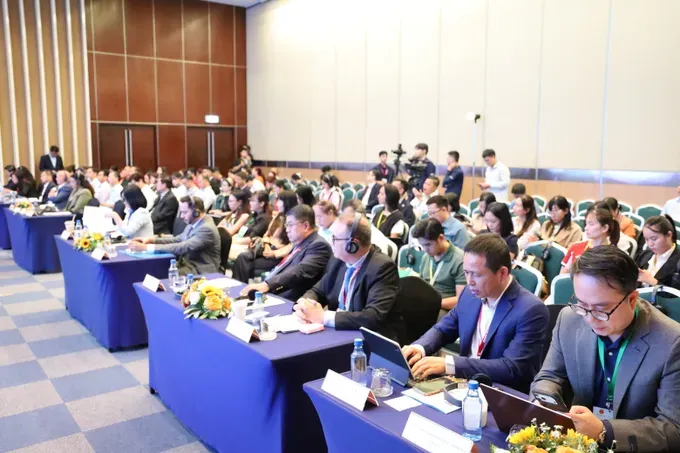
Tran Tan Sy, Country Director for Vietnam at UAE-based Lootah Group, announced that the group is investing in a major food distribution hub in Abu Dhabi dedicated to Vietnamese agricultural produce and food products. The center is designed to serve as a gateway for Vietnamese exports into the broader Gulf Cooperation Council (GCC) market, with coffee, cashews, fresh fruits, and processed foods identified as key high-potential categories.
Meanwhile, entry into the European market requires adherence to stricter regulatory benchmarks. Sven Dekker, co-founder of Vietnam Food Europe BV, which currently partners with approximately 25 Vietnamese suppliers, noted that products entering the European Union must undergo rigorous compliance checks. Standards cover chemical residue limits, ingredient transparency, food additives, packaging compliance, labeling, and full supply-chain traceability.
To support domestic enterprises, the Ministry of Industry and Trade committed to leveraging Vietnam's network of overseas trade offices to identify prospective buyers, facilitate direct business-matching sessions, provide market intelligence, and negotiate expanded market access globally.