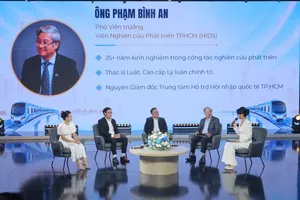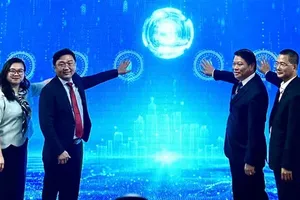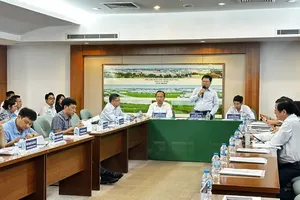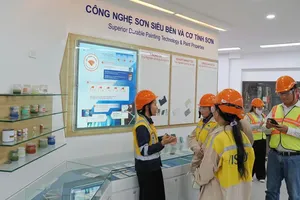
The Tan Phuoc Ward People’s Committee, in coordination with the Ho Chi Minh City Institute for Construction Planning, organized a conference themed “Building Tan Phuoc Smart Port City – the Core of the Cai Mep Ha Free Trade Zone in the Southern Growth Pole of Ho Chi Minh City.”
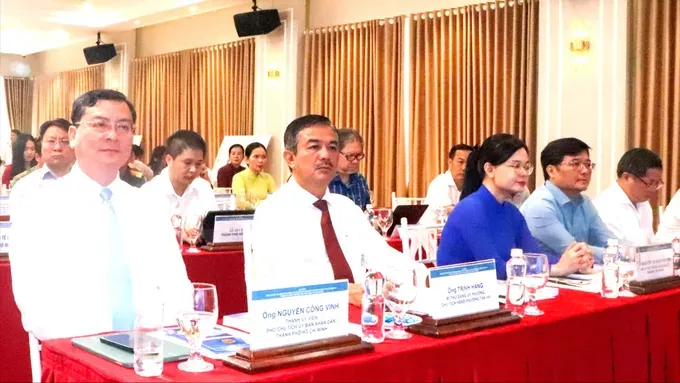
The event attracted more than 100 policymakers, experts, scientists and businesses. Vice Chairman of the Ho Chi Minh City People’s Committee Nguyen Cong Vinh attended and directed the conference.
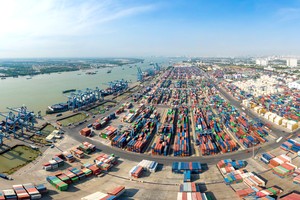
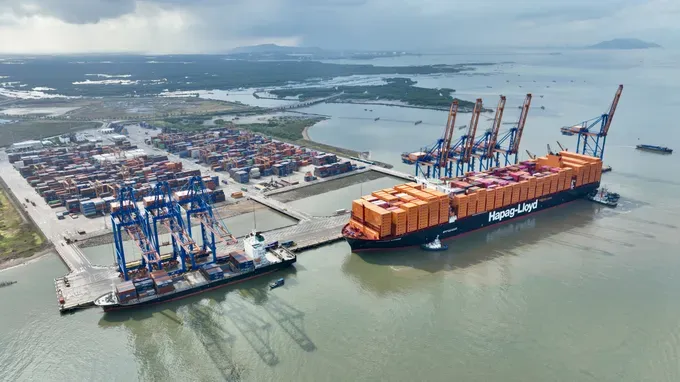
Experts said that Tan Phuoc has significant potential to develop into a port city linked to manufacturing, services, logistics and high-value-added maritime industries thanks to its location adjacent to the deep-water Cai Mep-Thi Vai port complex and within the Cai Mep Ha FTZ.
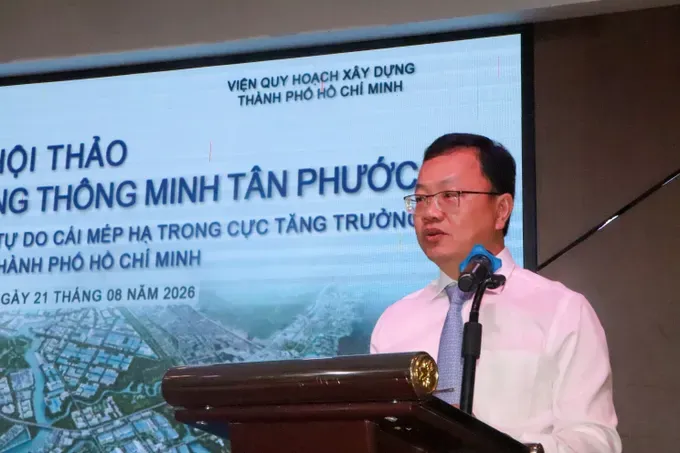
However, Duong Ngoc Chau, Secretary of the Tan Phuoc Ward Party Committee, warned that an excessive focus on container depots, warehouses or land-intensive industrial parks with low added value could place pressure on traffic, the environment and the quality of urban life.
The ward aims to develop an integrated “production-services-ecology” port city, bringing together logistics, industry, commerce, services and urban development in a coordinated manner while promoting high-value-added activities across the port ecosystem.
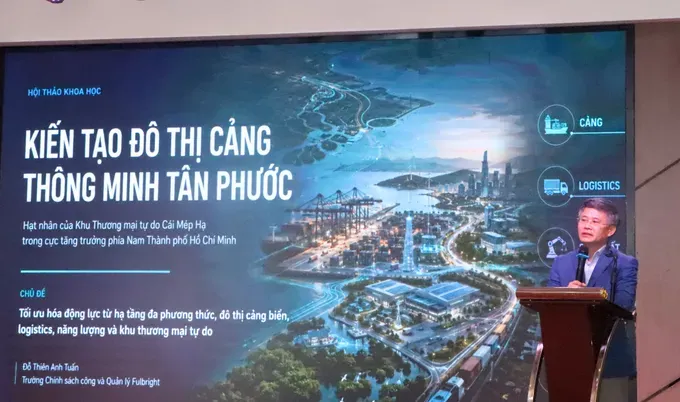
Dr. Do Thien Anh Tuan of the Fulbright School of Public Policy and Management proposed leveraging Tan Phuoc’s strengths in deep-water ports, logistics, multimodal transport, energy and the Cai Mep Ha FTZ to create new space for maritime economic growth in the region.
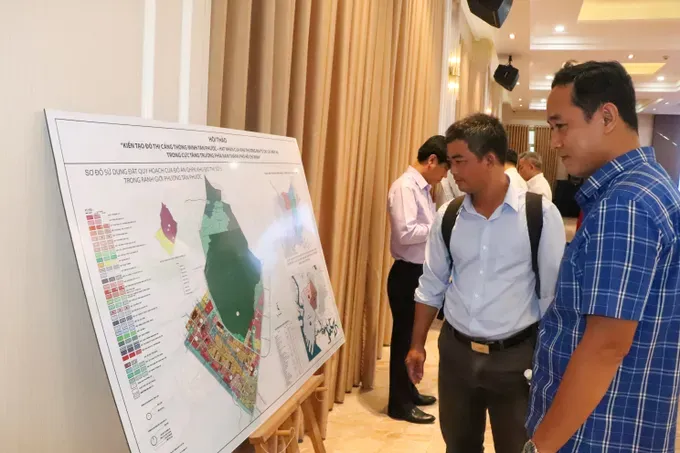
Experts also recommended exploring a transit-oriented development (TOD) model integrating dual-use railways, logistics facilities, industrial parks and the FTZ. Such an approach would enable the transport network to serve not only passenger travel but also reshape development patterns, ease the burden on road freight transport and strengthen connectivity with the port complex.
They also called for integrating Tan Phuoc into the urban structure of expanded Ho Chi Minh City and developing mechanisms to mobilize land resources, urban finance and investment through public-private partnerships (PPP).
The development of a smart port city governance model was also highlighted, with the application of digital technologies, digital twins and data platforms to support urban planning, traffic, environmental and logistics management.
Huynh Trung Son, Chairman of the Tan Phuoc Ward People’s Committee, said that the locality was ready to work with scientists and businesses to research and pilot new models within the legal framework, particularly in digital logistics, artificial intelligence, the circular economy and technology solutions for urban development.
According to Tan Phuoc authorities, the outcomes of the conference will be studied and incorporated into the ward’s development plan for 2026-2035, with a vision to 2050. The plan aims to establish a modern, green and technology-driven port city that capitalizes on the advantages of the deep-water Cai Mep-Thi Vai port complex and the Cai Mep Ha FTZ.