In its comments on the draft amended Law on Real Estate Business, HoREA proposed adding and consolidating regulations covering real estate projects involving such buildings.
HoREA Chairman Le Hoang Chau said that Vietnam currently has around 146,438 tourism-related real estate products, including resort apartments, resort villas and resort townhouses. Most condotel projects were developed between 2007 and 2020, when the legal framework was incomplete and inconsistent, creating numerous legal obstacles.
Some developers also lacked sufficient capacity, raising capital before their projects were legally eligible or promising returns beyond their financial capacity. This has led to disputes and affected customers’ legitimate rights and interests.
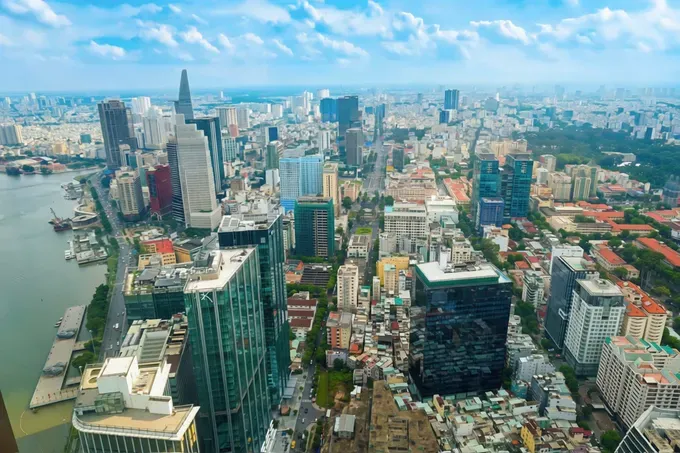
Regarding officetels, HoREA said official nationwide statistics are unavailable. In HCMC, 8,918 units in 29 projects had been held up in obtaining ownership certificates because of legal obstacles. By December 2024, the city had cleared the obstacles and issued certificates for 7,174 units in nine projects, representing around 80 percent of the total.
HoREA emphasized that resolving these long-standing cases must not legalize violations. Developers must meet their legal financial obligations while protecting the legitimate rights and interests of customers and investors. The measures should also help unlock land resources and put eligible projects into operation.
HoREA proposed using a unified term, “buildings designed for office, tourism and accommodation purposes”, instead of separately regulating resort apartments, resort villas, office-apartments and commercial townhouses. The approach would allow the legal framework to cover new real estate products as they emerge.
Condotel and officetel projects must also comply with regulations governing investment, construction, fire safety, tourism, residence, property management and taxation.