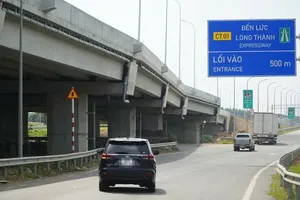
The People’s Committee of Vinh Long Province reported on April 21 that its disbursement rate had reached just over 10 percent of the annual plan, falling short of expectations. The provincial transport project management board is overseeing 96 projects, including 45 ongoing, 12 newly launched, and 39 in the preparation stage. In 2026, the province aims to complete 23 projects, comprising roughly 166 kilometers of roads and 45 reinforced concrete bridges. Despite a total allocated budget exceeding VND3.83 trillion, more than VND400 billion has been disbursed to date.
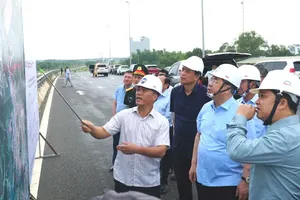
Several key projects are facing bottlenecks that are directly hampering progress. Major works, such as Ba Lai 8 Bridge, Ba Lai 6 Bridge, and the DT.DK.08 route, remain stalled due to protracted site clearance and unstable supplies of construction materials.
In Dong Thap, as of April 16, total disbursement stood at VND705 billion, equivalent to 6.2 percent of the provincial target set by the People’s Council. For project preparation alone, the province plans to roll out 651 projects in 2026, with total capital exceeding VND990 billion. However, the Department of Finance has so far received only 297 investment policy appraisal submissions, with the remainder yet to be filed as required.
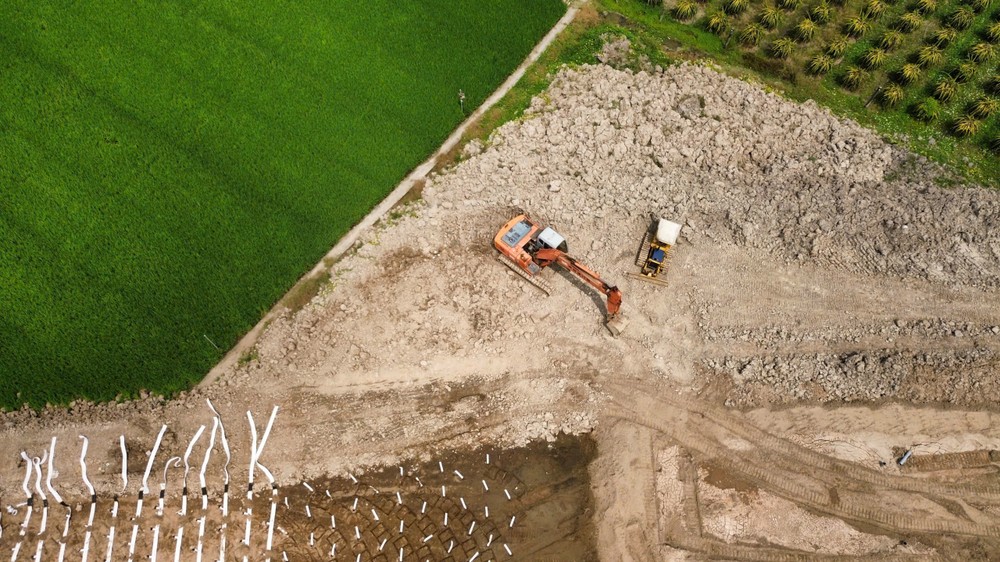
Meanwhile, Tay Ninh has allocated more than VND30.69 trillion and disbursed nearly VND2.223 trillion as of April 9, achieving 7.25 percent of its plan—well below the province’s minimum target of 20 percent and the national average. According to the provincial Department of Finance, the low disbursement rate stems largely from delays in completing investment procedures, including project approvals, design and cost estimates, and contractor selection. Land clearance issues have also hindered major projects such as DT 830E and DT 827E. In addition, several projects with substantial funding earmarked for land acquisition and resettlement remain stuck in the compensation payment process.
In response, local authorities have called for detailed disbursement plans for each project, with clear accountability assigned to relevant units. Efforts are being intensified to resolve bottlenecks related to land clearance, administrative procedures, and material supply.
At the same time, localities are accelerating site handovers, expediting construction, conducting regular progress reviews, and reallocating funds from delayed projects to those with stronger disbursement capacity. Units failing to meet targets are required to provide clear explanations, define responsibilities, and propose corrective measures, while relevant departments are tasked with closely monitoring and advising on capital plan execution to promptly address emerging obstacles.