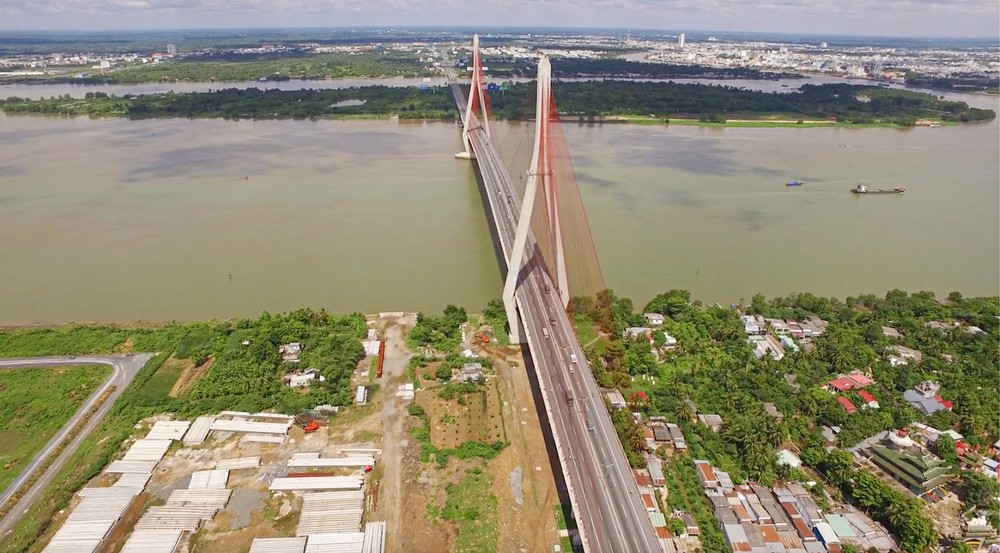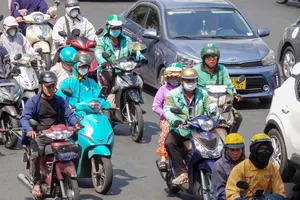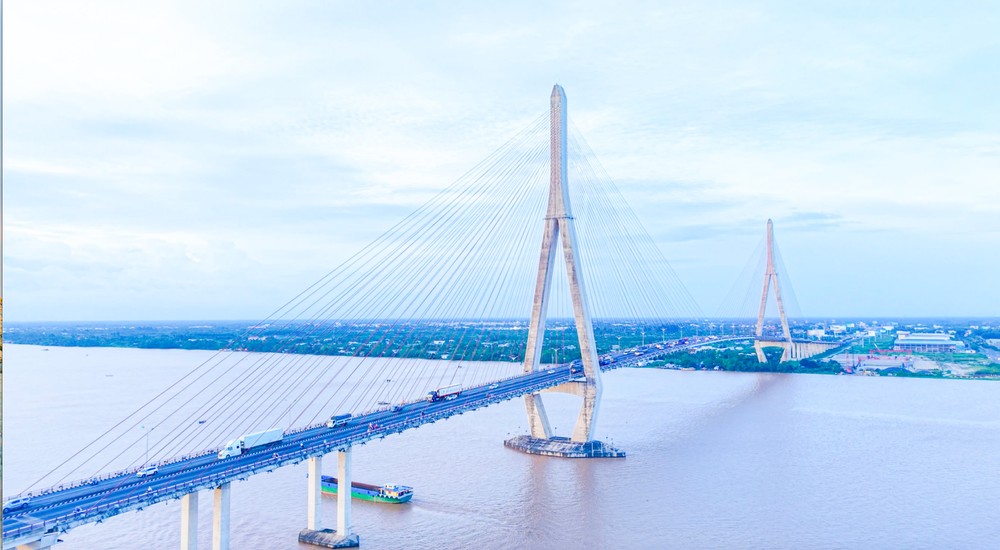
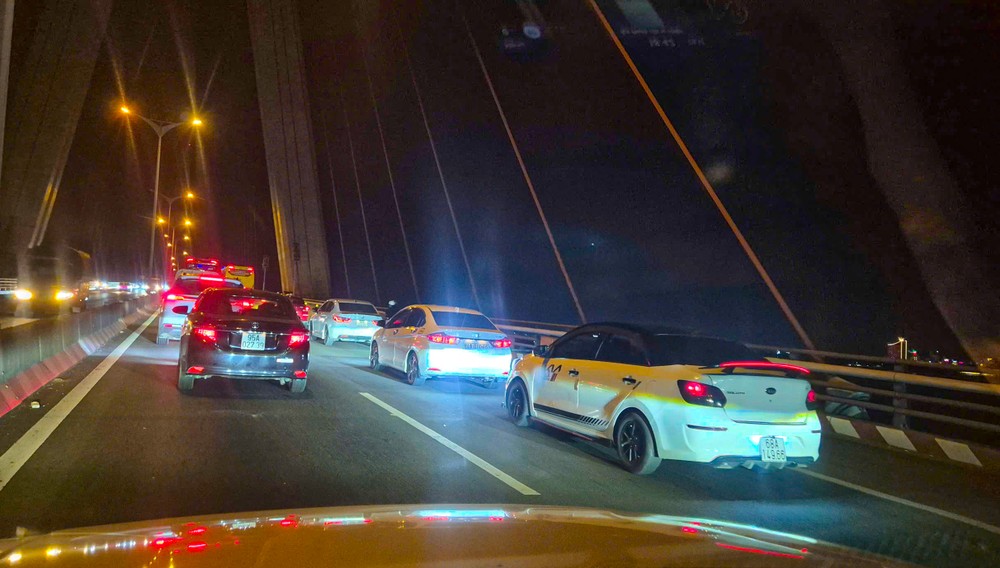
At present, the expressway network stretching from Ca Mau to HCMC is largely complete. Along this corridor, the existing Can Tho Bridge is the sole crossing for vehicles traveling between Ca Mau, An Giang, Can Tho, and HCMC, and vice versa. As a result, traffic volumes on the bridge are surging, gradually creating a bottleneck that raises the risk of frequent congestion and gridlock.
Mr. Nguyen Anh Men, Director of Thuan Phat Co., Ltd., a freight operator running routes between Can Tho and HCMC, voiced concern over the situation. He noted that traffic is already converging heavily on the bridge, particularly during peak hours when vehicles must queue to cross. Even a minor incident on the bridge, he warned, could paralyze the entire corridor, especially during year-end periods, holidays, and the Lunar New Year.
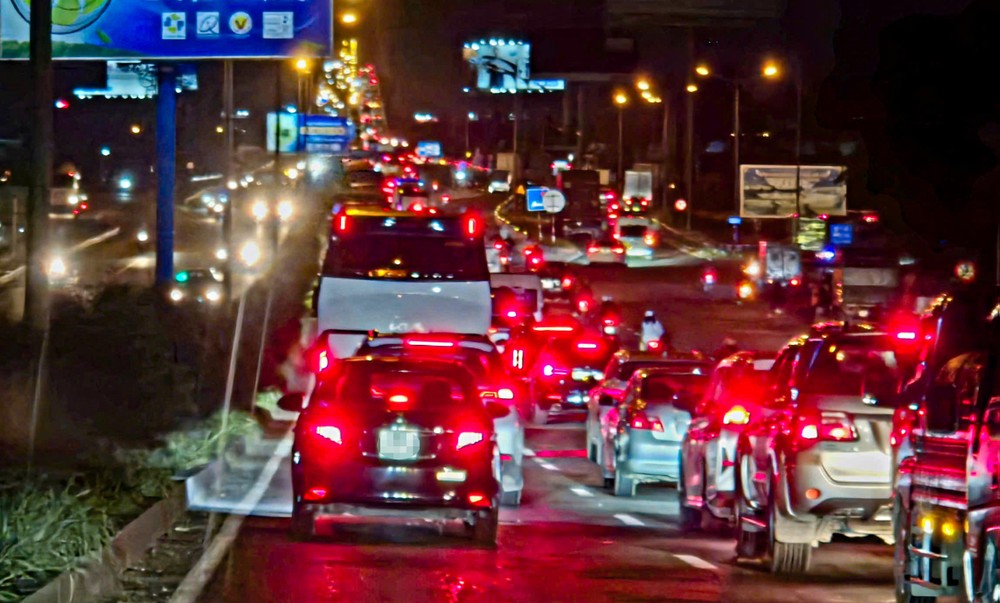
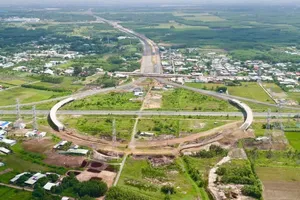
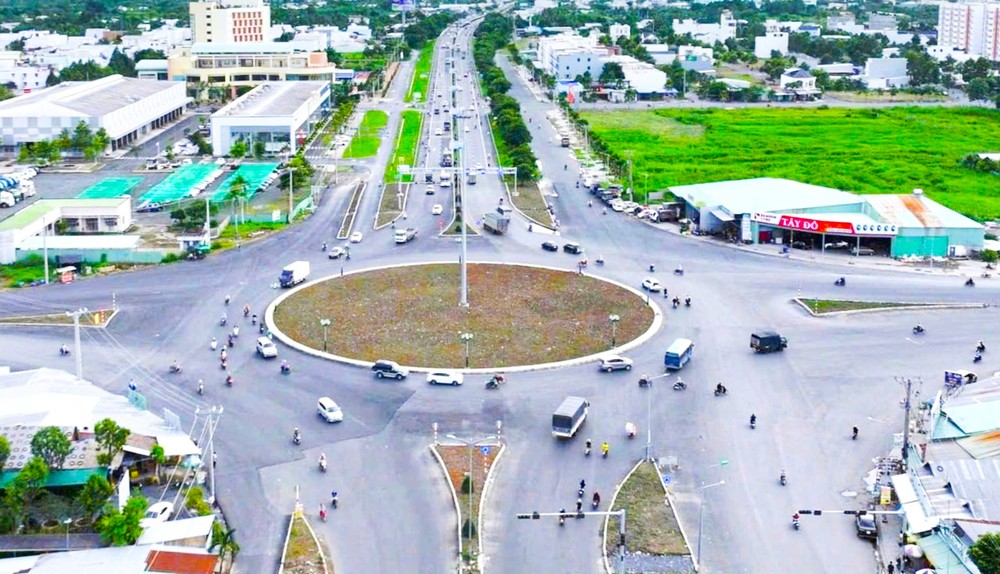
Congestion is also intensifying at major intersections along the bridge’s access roads. Key hotspots include IC4 (connecting to National Highway 61C), the Tran Hoang Na roundabout, and IC3 (linking with National Highway 91B). These junctions serve as critical intersections between National Highway 1A and other arterial routes and as gateways to and from central Can Tho, making them highly prone to traffic jams.
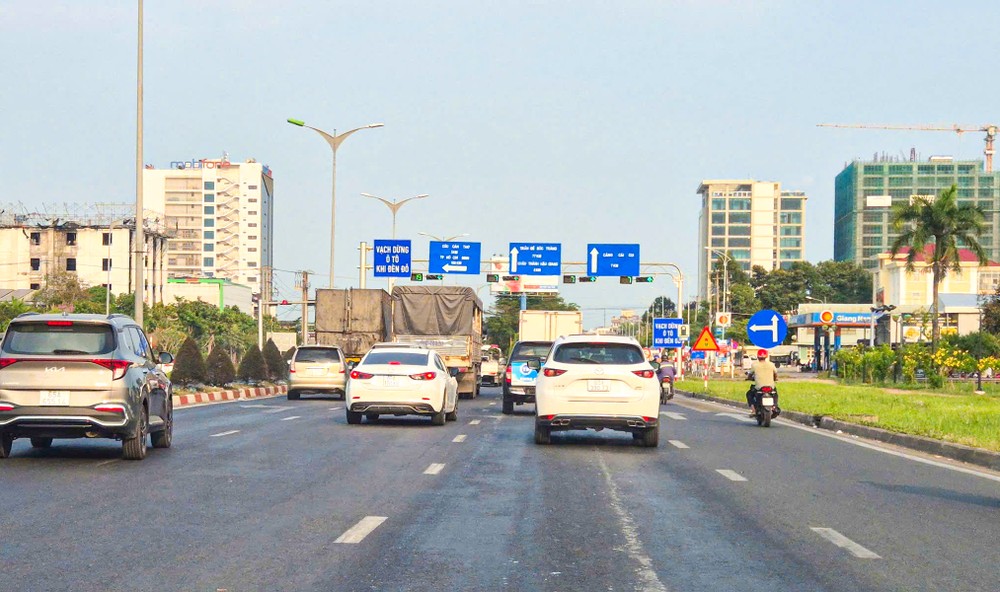
Transport operators warn that the Can Tho Bridge bottleneck will become more severe once the east–west Chau Doc – Can Tho – Soc Trang Expressway is expected to open to traffic by the end of 2026. At that point, Dai Ngai No.1 Bridge will still not be operational—reportedly not until June 2028—preventing vehicles from accessing HCMC via National Highway 60. Consequently, traffic from the new expressway will continue to funnel toward Can Tho Bridge, potentially recreating congestion scenarios similar to those previously seen at Rach Mieu Bridge before the construction of Rach Mieu No.2.
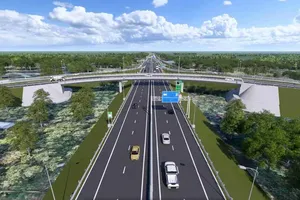
Meanwhile, under current plans, the Can Tho No.2 Bridge project, with an estimated investment of US$1.1 billion (around VND28.5 trillion), is not expected to break ground until 2027 and will require approximately five years to complete. This means the bridge may only become operational by 2032, at which point it is expected to help ease the burden on the existing crossing.
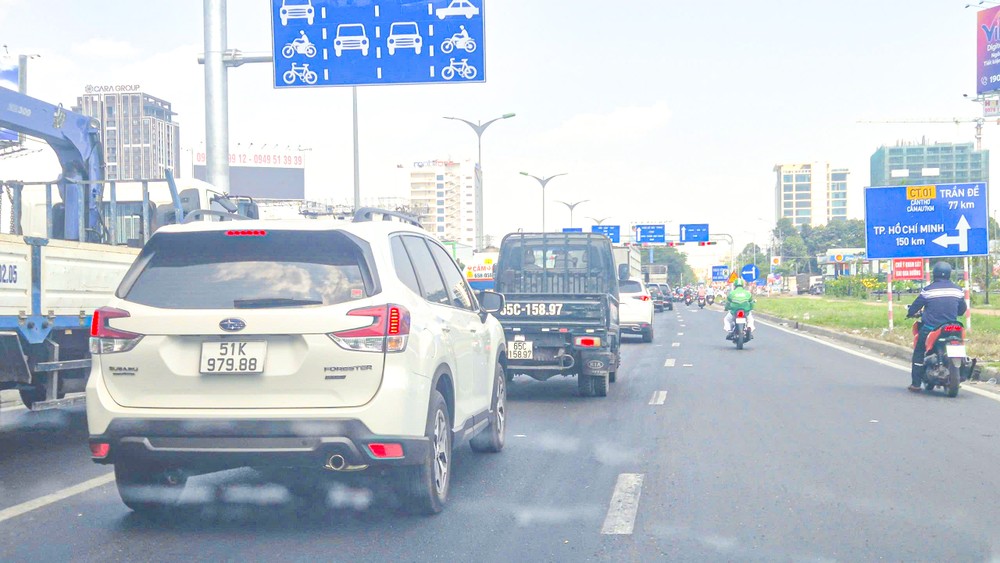
Mr. Nguyen Van Thanh, Director of Road Management Area IV, acknowledged that traffic pressure on the current bridge will continue to rise in the interim. However, he noted that vehicle flows heading back toward Ca Mau are gradually declining, suggesting that the bridge can still generally accommodate demand. Even so, congestion risks remain, particularly during holidays, peak travel periods, or in the event of accidents. Authorities will therefore coordinate closely with local governments to monitor traffic conditions and implement timely traffic regulation and diversion measures to minimize disruptions.
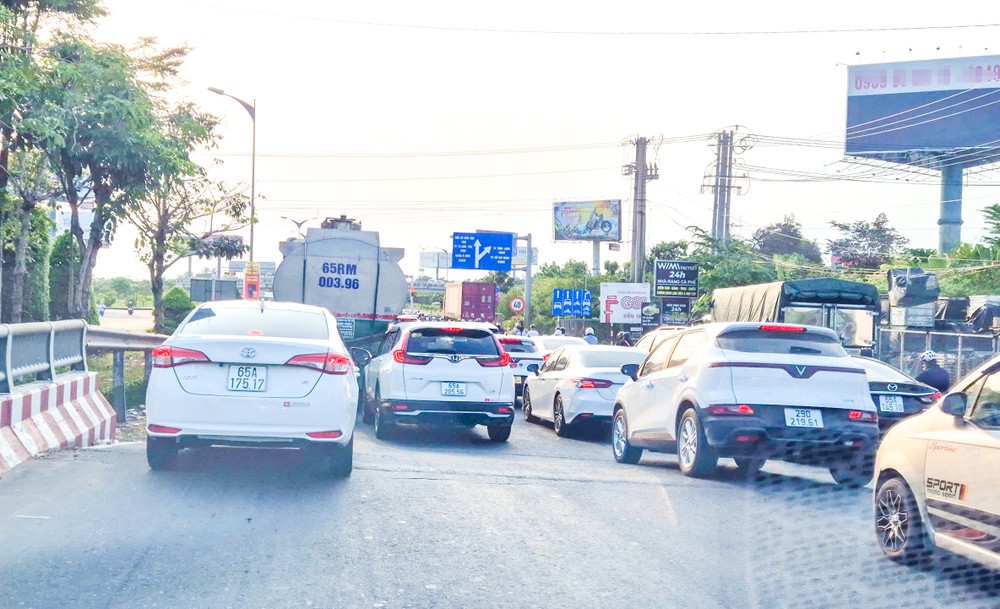
Mr. Le Thanh Viet, Deputy Director of the Can Tho Department of Construction, said that since early 2026, the department has worked with local police to survey and identify solutions to ease congestion at access points to the Can Tho – Ca Mau Expressway. Measures agreed upon include upgrading and expanding feeder roads at the IC3 interchange, as well as improving traffic organization and flow control from these routes onto the expressway. The department has also proposed the construction of additional overpasses at IC3 and the Tran Hoang Na roundabout to reduce traffic conflicts. In the longer term, the city plans to recommend that the Ministry of Construction submit the Can Tho No.2 Bridge project to the National Assembly for early approval.
Mr. Tran Van Lau, Secretary of the Vinh Long Provincial Party Committee, emphasized that expressway projects in the Mekong Delta have long been a shared aspiration of generations of local residents and represent a vital driver of the region’s socio-economic development. Can Tho No.2 Bridge, he stressed, is a crucial link in this network. The province has pledged to actively participate in the project’s implementation once approved, committing to close coordination with investors to ensure timely site clearance and facilitate early construction, meeting the expectations of both residents and businesses.