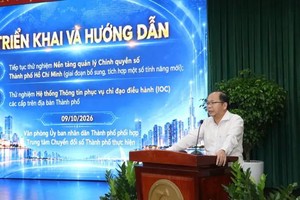
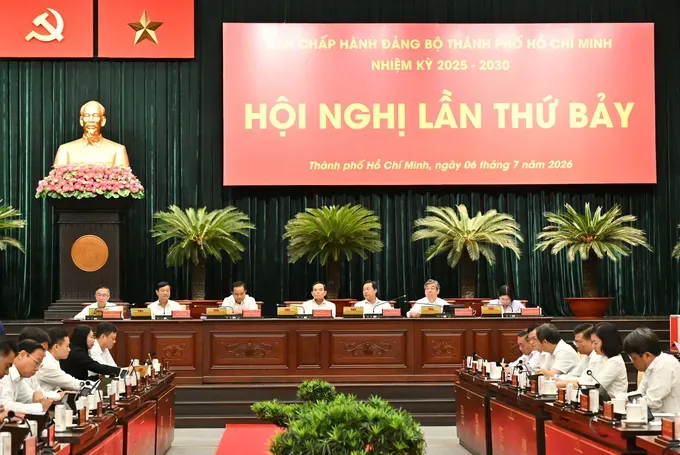
The presentations were released at the 7th conference of the Ho Chi Minh City Party Committee for the 2025-2030 term, which opened on the morning of the same day.
FDI continues to be a key growth driver
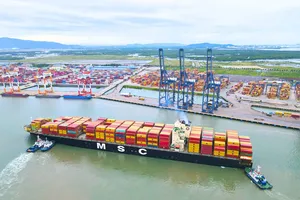
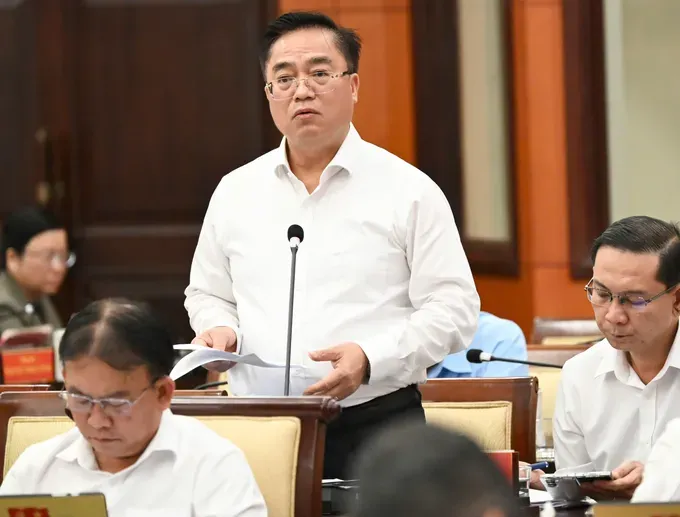
Reporting at the conference, Director of the Ho Chi Minh City Department of Finance Hoang Vu Thanh said that foreign direct investment (FDI) continues to serve as a key driver of the city's economic growth. In the first six months of the year, newly registered FDI in Ho Chi Minh City reached nearly US$7.5 billion, equivalent to 68.1 percent of the annual target.
Cumulatively, Ho Chi Minh City is now home to 21,351 valid FDI projects with a combined registered capital of more than US$146.8 billion. However, actual FDI inflows had reached only US$7.5 billion by the end of June, as international investors were still completing the necessary administrative procedures. The figure is expected to rise to around US$10-12 billion in the third quarter.
According to the Director of the Department of Finance, achieving double-digit economic growth will depend heavily on the city's ability to effectively mobilize and disburse total social investment capital, with FDI remaining one of its key growth drivers. Under the 2026 investment mobilization scenario, Ho Chi Minh City aims to raise VND1,240.653 trillion (US$47.2 billion) in total social investment capital, of which VND263.597 trillion (US$10 billion), or 21.2 percent, is projected to come from FDI.
In the second half of the year alone, the FDI sector is projected to disburse approximately VND193.395 trillion (US$7.4 billion), accounting for more than 73 percent of the annual target.
If this capital is disbursed promptly, directed toward priority sectors, and closely linked with domestic enterprises, it will help expand production capacity, increase overall investment demand, create jobs, facilitate technology transfer, foster the development of supporting industries, and improve labor productivity.
Therefore, meeting the FDI capital mobilization target is a necessary condition. More importantly, increasing the disbursement rate, shortening the time required for projects to become operational, and strengthening linkages with domestic enterprises will be decisive factors in enabling FDI to make a more substantial contribution to the city's goal of achieving economic growth of 10 percent or higher.
Developing comprehensive master plan for HCMC with a 100-year vision
Regarding urban planning, Director of the Ho Chi Minh City Department of Planning and Architecture Truong Trung Kien said the city is expediting the preparation of a comprehensive master plan covering more than 6,700 square kilometers following the administrative merger.
Taking advantage of the special mechanism provided under Resolution No. 260 of the National Assembly, the master plan is expected to be approved directly by the Ho Chi Minh City People's Committee on October 30 instead of requiring approval from the Prime Minister as stipulated under previous regulations.
According to Truong Trung Kien, the master plan will provide development orientations through 2050 with a 100-year vision. For the first time, Ho Chi Minh City will integrate its socio-economic development plan, general spatial plan, and land-use plan into a single comprehensive planning framework.
In line with Resolution No. 09 of the Politburo, Ho Chi Minh City will pursue development based on 10 growth drivers and five development corridors. The draft master plan is currently being circulated for feedback from 168 wards and communes before entering the appraisal stage, which is expected to begin in August.
However, the greatest challenge in implementing the plan is updating and integrating the database of more than 4,000 existing planning schemes, which are currently scattered across multiple systems. To keep the project on schedule, the Department of Planning and Architecture is accelerating the digitalization of the entire planning database using social funding. It has also proposed that the city allow sectoral plans—such as those for technical infrastructure and underground space—to be prepared in parallel, rather than waiting for the completion of the comprehensive master plan.
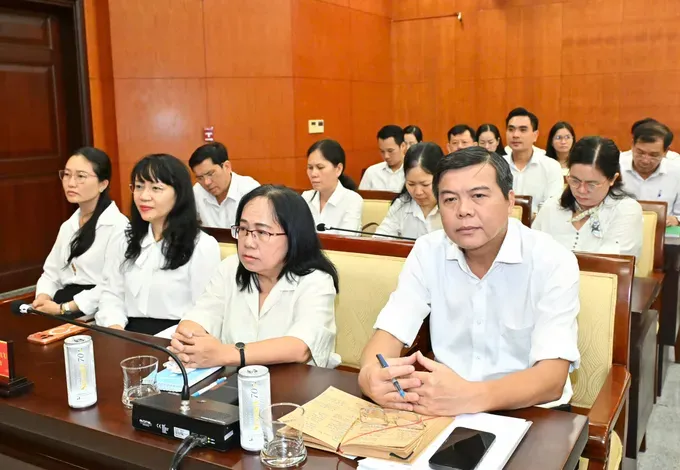
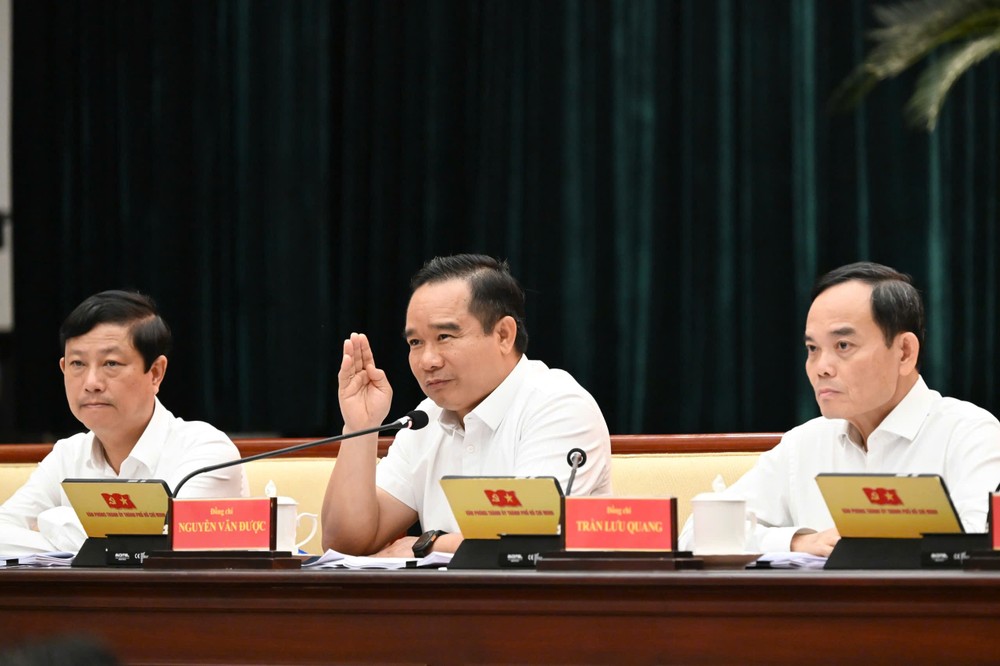
Speaking further on the Ho Chi Minh City Master Plan, Chairman of the Ho Chi Minh City People's Committee Nguyen Van Duoc said that both the master plan and the draft Law on Special Urban Areas will include provisions on underground space planning.
He instructed the Department of Planning and Architecture and the Department of Justice to ensure that the draft Law on Special Urban Areas includes a provision authorizing the city to formulate policies governing underground space. This would enable Ho Chi Minh City to take the initiative in implementing underground infrastructure projects and comprehensively address long-standing bottlenecks.
Proposed breakthrough policies to accelerate social housing development
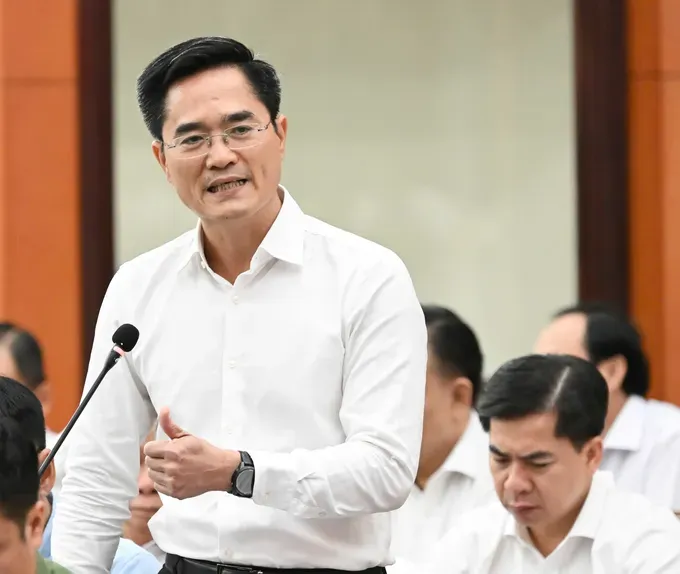
At the conference, Director of the Ho Chi Minh City Department of Construction Tran Quang Lam presented reports on transport infrastructure, social housing, and urban embellishment.
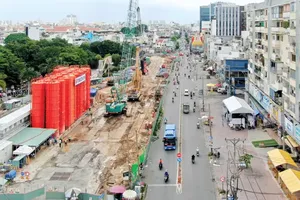
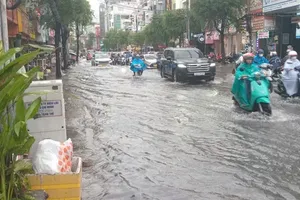
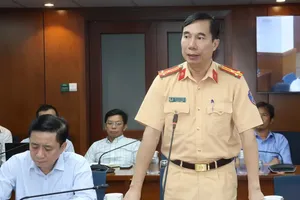
Regarding transport infrastructure, Mr. Tran Quang Lam said the city currently has 28 locations that are regularly at risk of traffic congestion. The Department of Construction has developed a comprehensive action plan with a clear implementation roadmap to address these bottlenecks through both infrastructure measures and non-infrastructure solutions.
As part of the infrastructure measures, the Ho Chi Minh City People's Council has adopted a resolution allocating funding for 46 gateway transport projects to be implemented between now and 2030. The city also plans to fast-track the construction of six steel bridges during the 2027-2028 period.
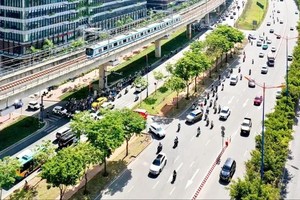
Regarding public transportation, the city has restructured its transit network and is transitioning to a green bus fleet. Electric buses currently account for nearly 73 percent of the fleet to ensure that 100 percent of intra-city buses are electric-powered by early 2027, alongside the adoption of modern payment solutions.
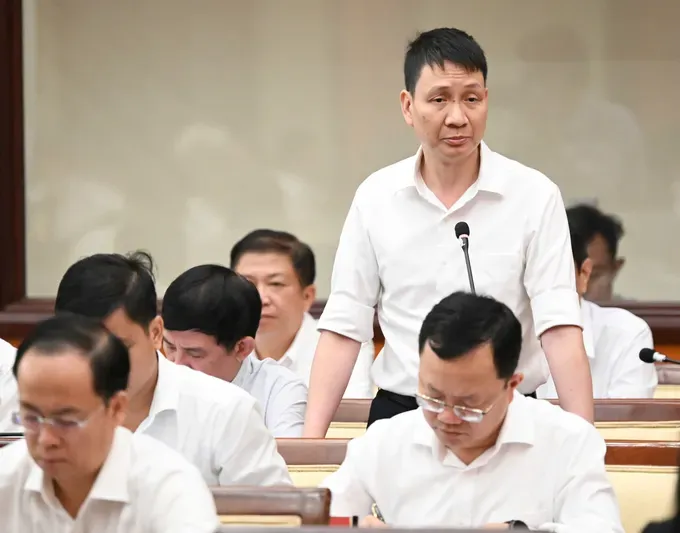
The introduction of fare-free bus services has increased ridership by approximately 30-33 percent compared with the same period in 2025. However, Mr. Tran Quang Lam noted that achieving the target of 200 kilometers of urban railway set out in Politburo Resolution No. 09 would be difficult under the current implementation model. Going forward, the Department of Construction will advise the local steering committee on a more coordinated, expedited, and effective implementation approach.
Regarding urban development, Ho Chi Minh City aims to build nearly 200,000 social housing units by 2030. To remove bottlenecks related to planning quotas and the availability of public land, the Department of Construction has proposed incorporating breakthrough policies into the draft Law on Special Urban Areas, including exemptions and reductions in land-use fees and the direct appointment of investors.
For key and urgent projects approved by the Standing Committee of the Ho Chi Minh City Party Committee and the Ho Chi Minh City Party Committee, the Department of Construction has proposed applying assignment and contractor appointment mechanisms to accelerate project implementation.
Another major objective is the relocation of houses along canals and waterways, with the target increased from 20,000 to 40,000 homes. The Department of Construction has completed a review of more than 300 canals and waterways. Under the proposed approach, projects with a total investment of less than VND3 trillion (US$114.3 million) will be financed through public investment, while those exceeding VND3 trillion will be developed under the public-private partnership (PPP) model, primarily through Build-Transfer (BT) contracts linked to the development of land along river corridors.
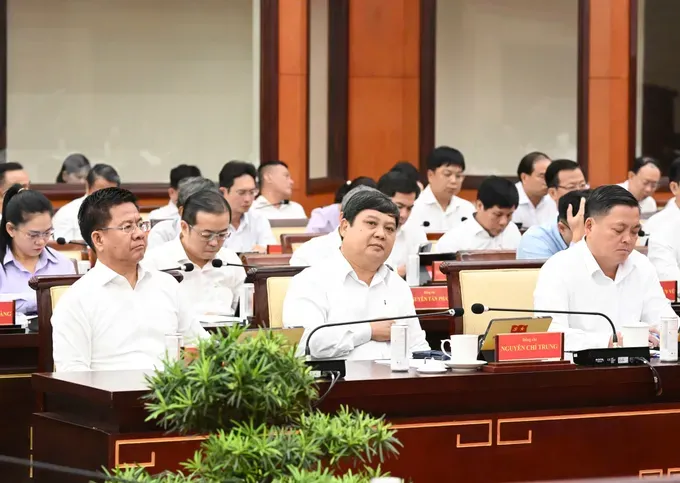
The Department of Construction will soon submit a plan on capital mobilization, investment promotion, the preparation of land for reciprocal allocation, and a proposal to issue municipal bonds to make cash payments for BT projects—an approach that has attracted strong interest from investors.
Regarding site clearance and the disbursement of public investment, Mr. Tran Quang Lam noted that project appraisal has faced difficulties in recent years due to planning constraints. To accelerate public investment disbursement, he proposed separating compensation, support, and site clearance into standalone projects, while leveraging the new Law on Planning to shorten the appraisal process. He also stressed the need to improve project management and progress monitoring by project owners, alongside the broader application of information technology.
Addressing the conference, Chairman of the Ho Chi Minh City People's Committee Nguyen Van Duoc instructed the Department of Construction to further decentralize the management of urban public utilities to wards and communes with sufficient capacity. He also called for the bold adoption of public-private partnership (PPP) models—including private investment, public investment with private-sector operation and management, and even Build-Operate-Transfer (BOT) arrangements—to ease budgetary pressures, make more efficient use of resources, and prevent waste and irregularities.
The city’s Chairman also directed the Department of Construction to continue working with the Department of Finance to review the outcomes of decentralization and delegation of authority in managing recurrent expenditures and public service expenditures for the maintenance and upkeep of transport infrastructure, public lighting systems, and urban green spaces across the city.