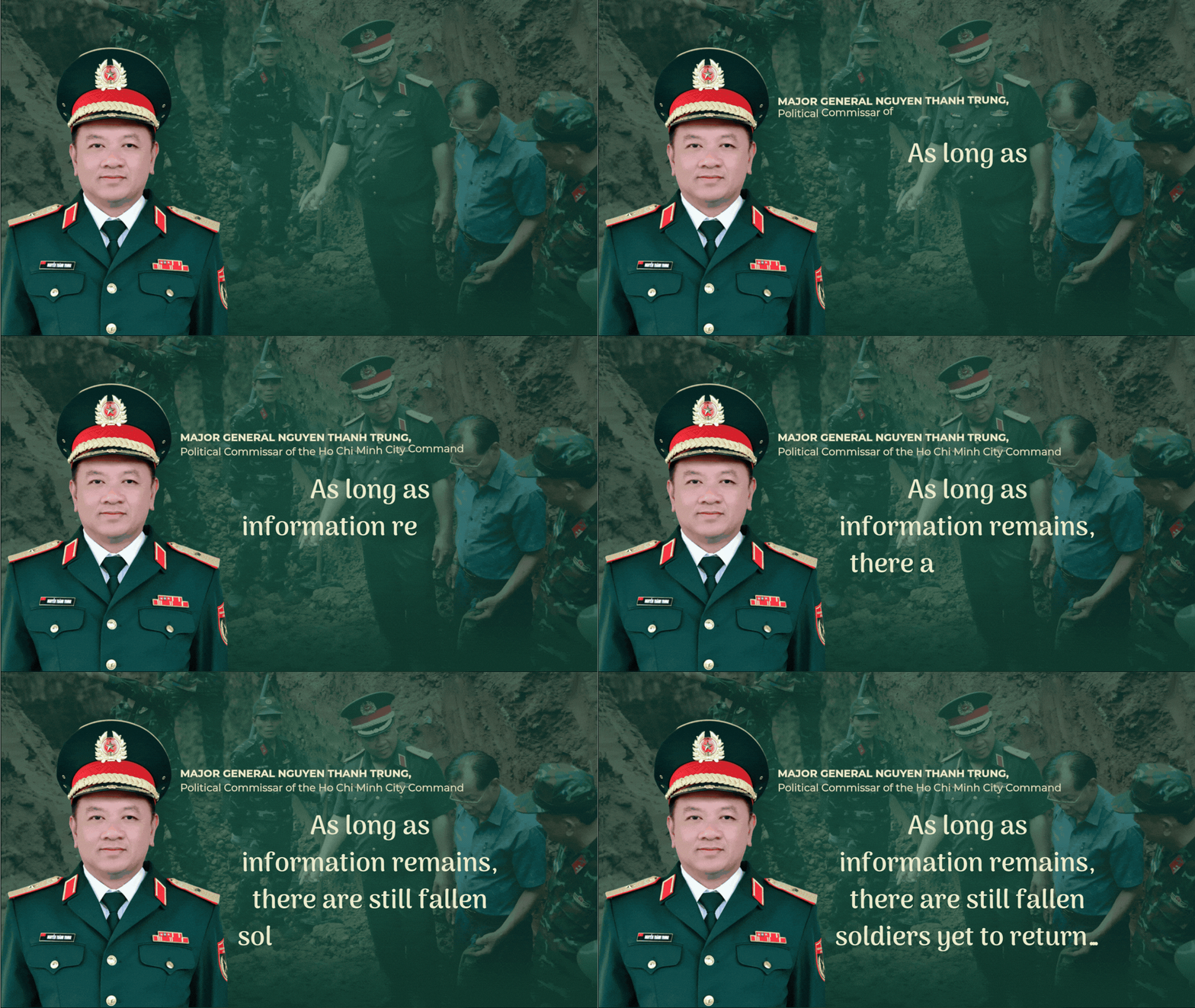
* REPORTER: Major General Nguyen Thanh Trung, what lessons have been learned from the search and collection efforts at Le Thi Rieng Park to enhance the effectiveness of future recovery operations for fallen soldiers' remains?
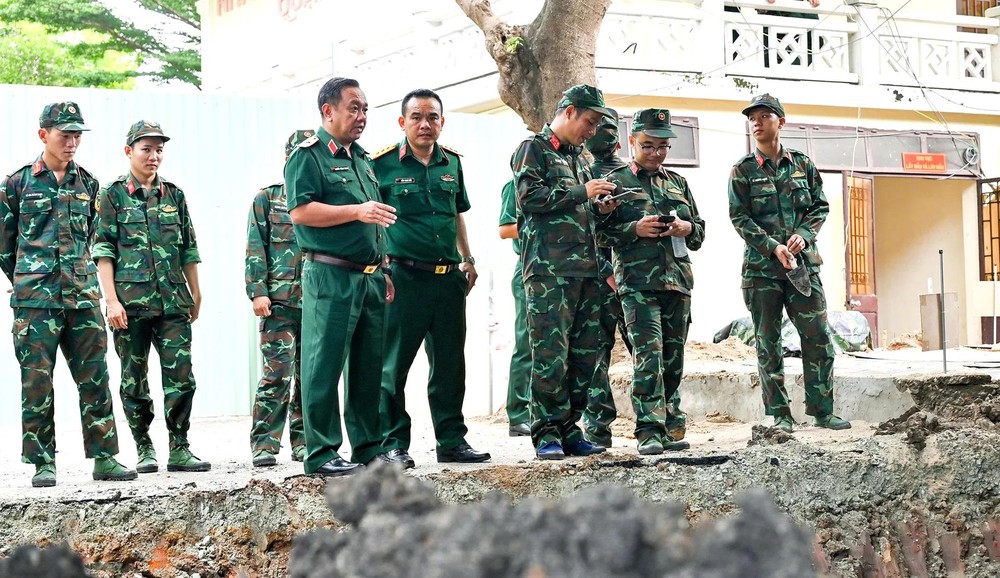
- Major General NGUYEN THANH TRUNG: From June 23 to October 12, 2026, operational forces discovered and recovered 731 sets of fallen soldiers' remains at Le Thi Rieng Park, 307 of which were found with personal artifacts. Among these, 698 sets were recovered individually, while 33 were uncovered across eight mass grave locations, including two in Area A and six in Area B.
Along with the remains, we also retrieved many valuable artifacts that serve research and verification efforts, including identification tags (dog tags), rubber sandals, hammocks, scarves, ammunition magazines, rings, and other personal items. Certain physical traces and positions of the remains at the time of discovery require further study to help clarify the circumstances under which these soldiers sacrificed their lives.

The key takeaway is that with strong determination and proper methodologies, we can locate the resting places of our fallen soldiers even after nearly 60 years. Combining historical documents with modern science and technology, eyewitness accounts, and field surveys has established an effective search model. This provides a crucial field insight: locations where initial searches yielded no results do not necessarily mean no remains exist. Our forces will continue to combine documents, eyewitness testimonies, and new technologies to conduct thorough research and verification.
* As a soldier, what weighs most heavily on your mind when carrying out this mission?
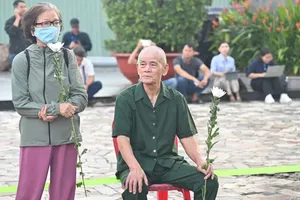
- Since deploying this mission at Le Thi Rieng Park, I have met many witnesses and listened to many stories. Many things leave me deeply anguished. There are veterans who know their comrades lie somewhere beneath the soil, yet for decades have been unable to pinpoint the exact location to bring them home. That lingering pain has stayed with them all these years.
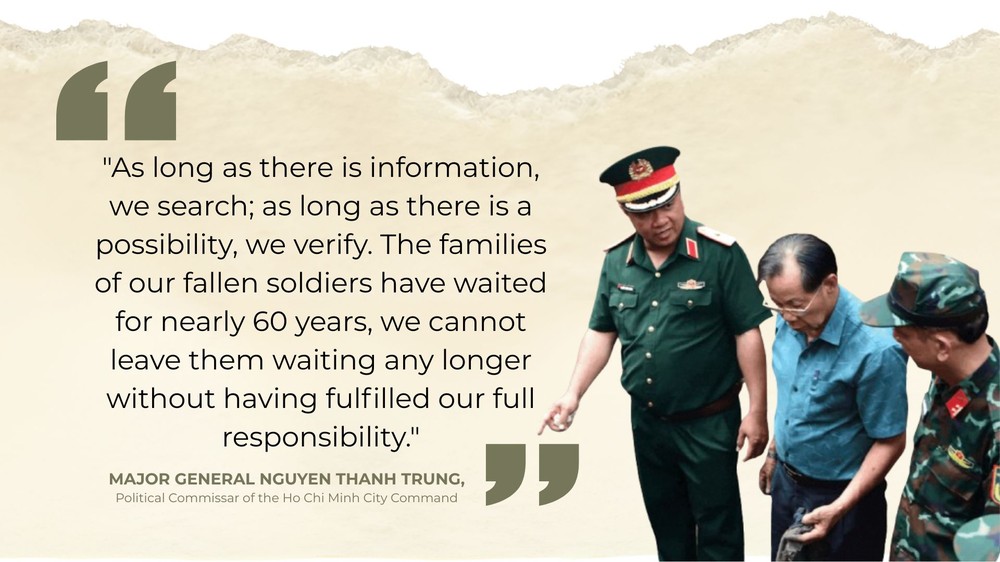
Many sets of remains were found resting on top of one another, and numerous cases bore signs of having been bound. Holding these artifacts in my hands, I think of the youth of these fallen soldiers. They too had families, parents, hometowns, and personal dreams, yet they set them aside to march forth for the Fatherland… These realities urge us to act with greater urgency, cherishing every hour and minute to overcome all obstacles. The greater the urgency, the more cautious, meticulous, and disciplined we must be in every step. Our guiding principle throughout this mission is: as long as there is information, we keep searching; as long as a single possibility remains, we must verify it to bring our brave men and women home in time.
* In your view, what is the greatest challenge in implementing the "500 Days and Nights" Campaign?
- The "500 Days and Nights" Campaign is truly a race against time. The war ended over half a century ago; witnesses are aging, and many have passed away. The terrain has transformed, and historical documents are scattered both domestically and abroad. If we do not act decisively now, in just a few years, many pieces of information will lose all chance of verification. Therefore, the "500 Days and Nights" Campaign demonstrates political resolve and mobilizes all available resources to search, collect, identify, and bring our heroes home.
Behind every set of remains is a human life and a family that has waited for decades. Finding the remains, identifying them, and returning the fallen soldiers to their families, comrades, and homelands represents the ultimate duty and highest goal of this campaign.
*Following the memorial service, tribute ceremony, and reburial, what are Ho Chi Minh City's next tasks in the Campaign to search for and identify fallen soldiers?
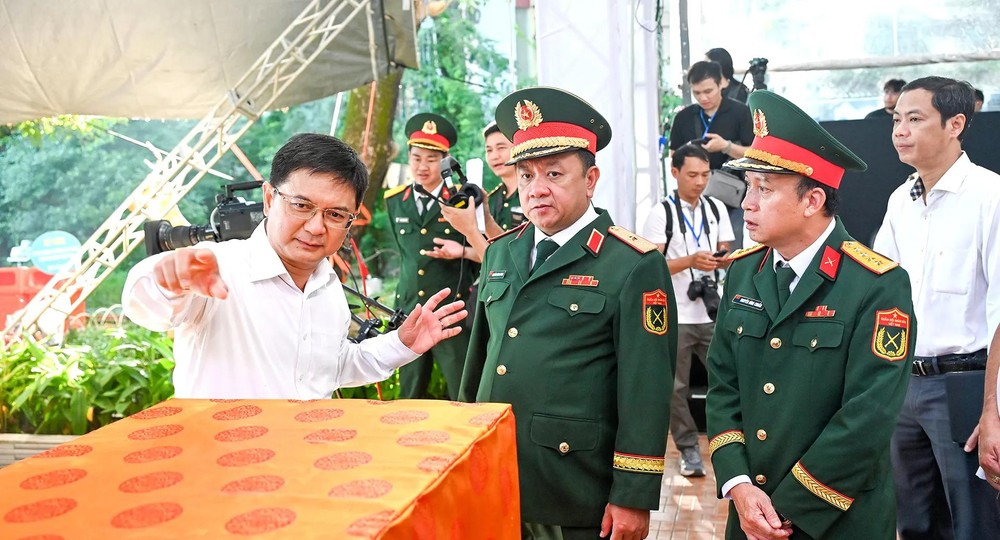
- The city will continue reviewing areas suspected of containing soldiers' graves, particularly mass burial sites; expand the collection of records at home and abroad; exploit documents from the United States and other sources related to the war; and receive and verify information from witnesses. All information serving the search must be cross-checked, verified, and corroborated before field operations are launched.
In parallel with the search operations, the city will continue building a DNA database of fallen soldiers’ relatives, conducting DNA testing on samples from recovered remains and matching the results against relatives’ DNA profiles. These findings will be considered alongside documentary records and personal effects to establish identities.
I earnestly urge veterans, witnesses to historical events and members of the public to share any information they may have, even if it is only a small fragment of a memory. We will receive and verify every piece of information carefully, scientifically and responsibly. We will continue searching as long as there is information, as long as there is hope, and as long as there are fallen soldiers who have yet to return home.