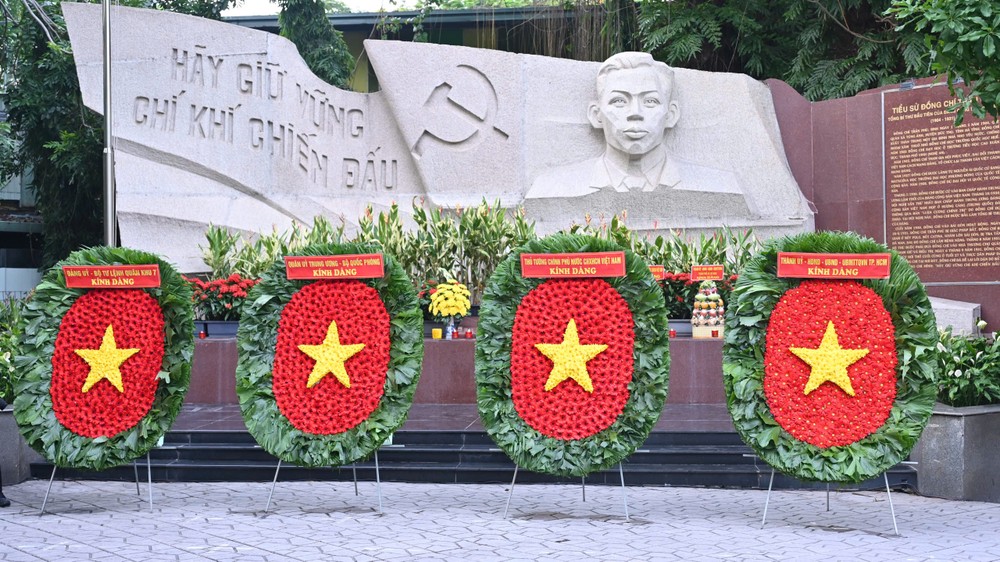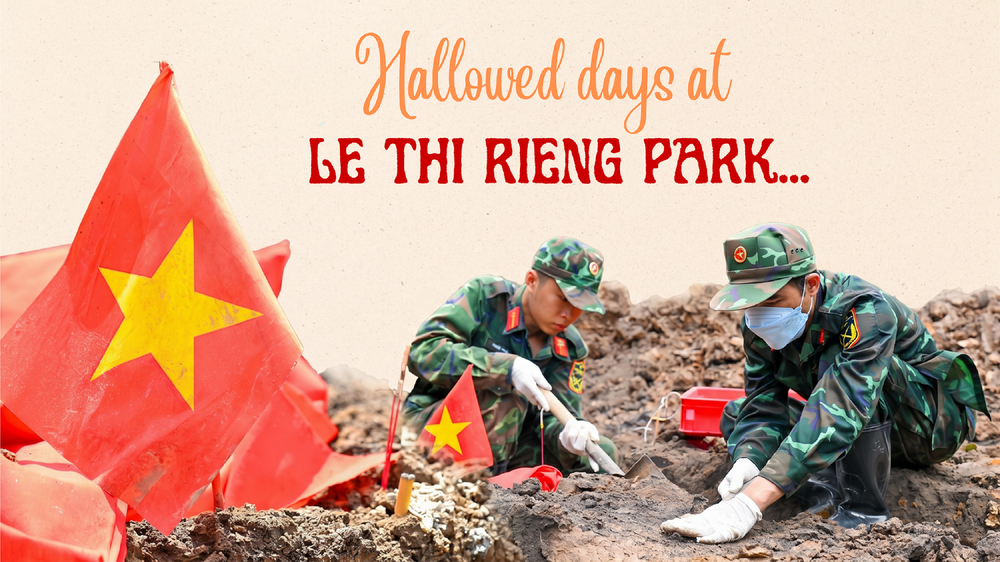

After reviewing, collecting, and verifying information from multiple sources, Ho Chi Minh City began on-the-ground operations on June 23, 2026, to search for and recover the remains of fallen soldiers at Le Thi Rieng Park in Hoa Hung Ward.
Before the first excavation equipment was deployed, authorities conducted an extensive cross-check of domestic and international records. Witness accounts were examined alongside historical archives, military documents, old maps, aerial photographs, satellite imagery, battlefield photographs, and international materials.
A photograph taken by the Associated Press on February 12, 1968, documenting a mass burial at Do Thanh–Chi Hoa Cemetery, proved to be an important lead in identifying the suspected location of a mass grave.
Drawing on these records, scientists employed modern technologies, including ground-penetrating radar, electrical resistivity surveys and stratigraphic analysis, before conducting verification excavations. At an information-verification workshop on June 8, declassified US documents, technical survey findings and witness testimonies corroborated the location and timing of the burial of officers and soldiers killed during the Mau Than 1968 General Offensive and Uprising.
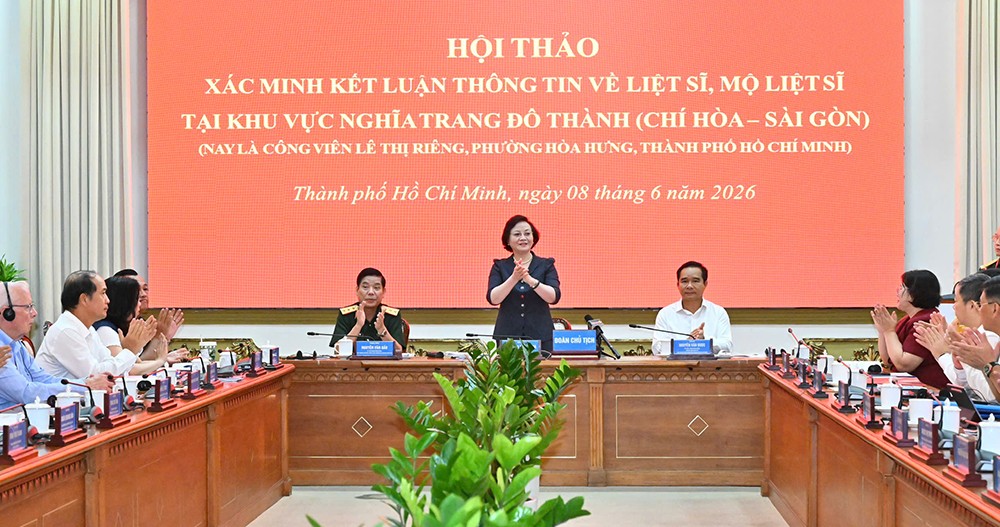
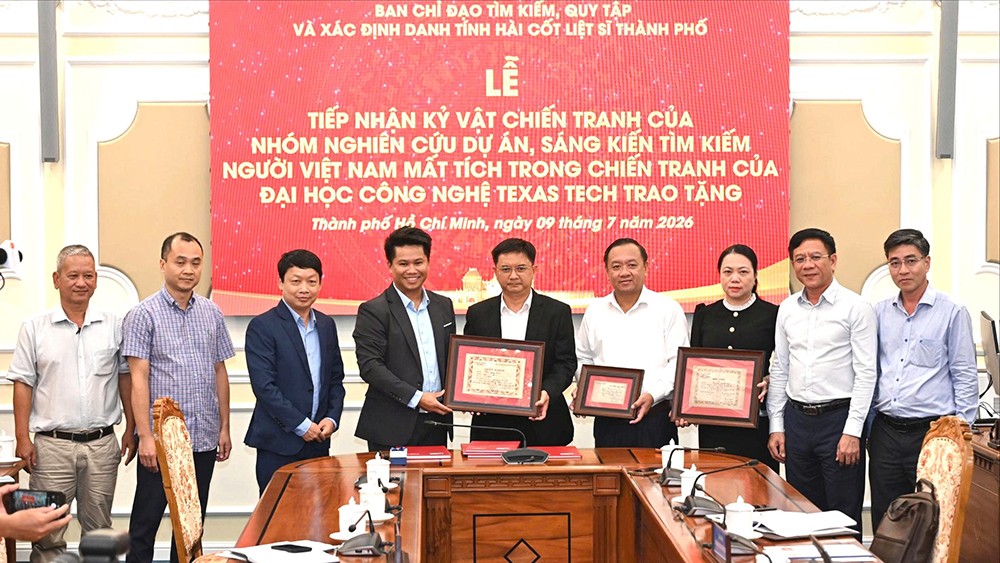
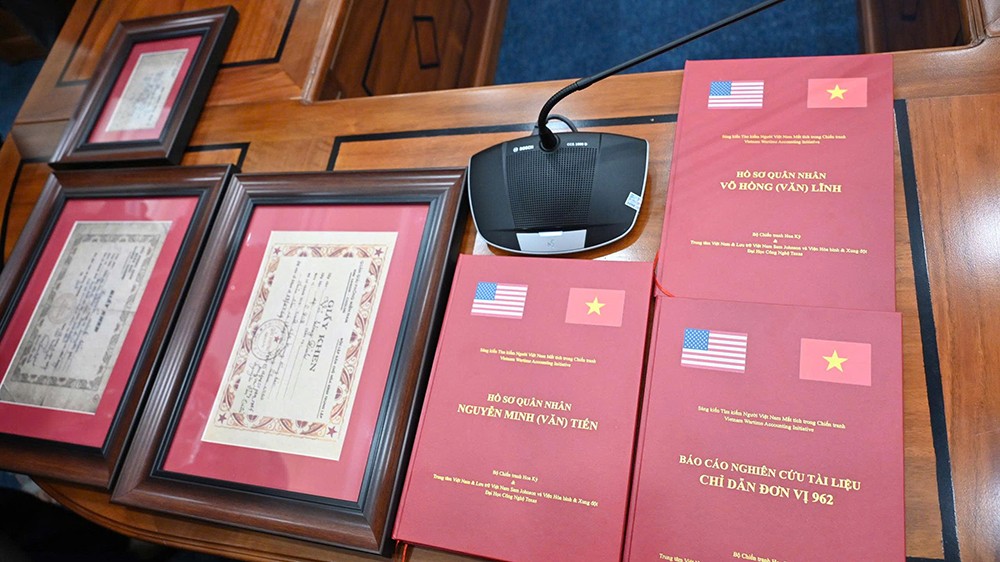
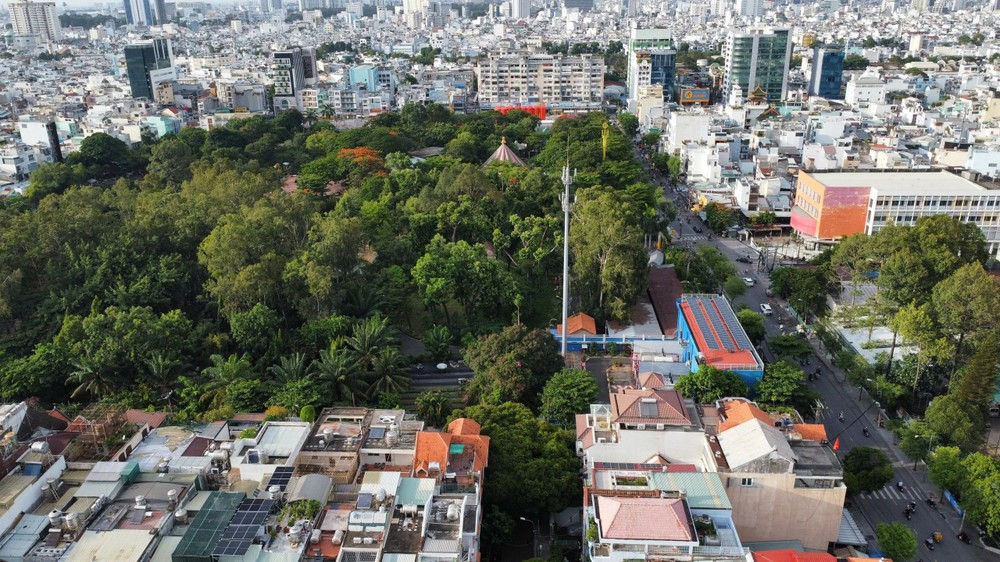

The Ho Chi Minh City People's Committee, Military Region 7 Command and National Steering Committee 515 formally launched the search and recovery operation at Le Thi Rieng Park on the morning of July 6.
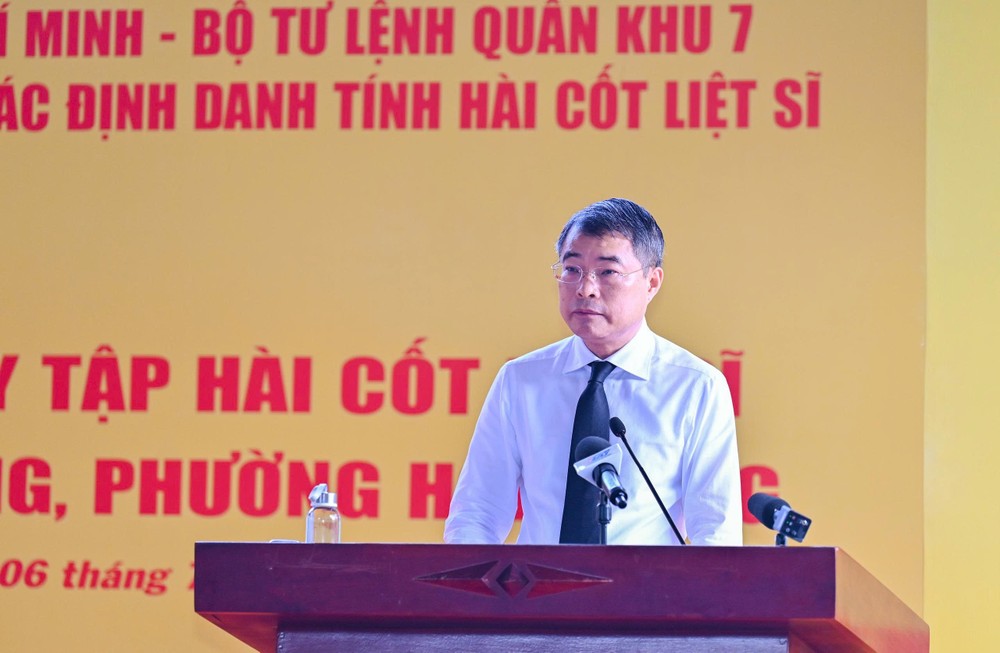
Prime Minister Le Minh Hung, addressing the ceremony, expressed deep emotion and described the mission as a practical expression of Vietnam's tradition of gratitude. He said it represented the profound gratitude of the Party, State and people toward those who had devoted their youth to the country's independence and freedom.
“The mission must remain a priority until the remains of all fallen soldiers have been recovered. For many families, the war has never truly ended, as the pain of loss persists while they wait day after day for news of their loved ones. We must make every effort and demonstrate the strongest possible determination to find these fallen heroes and bring them home to their families and hometowns,” he said.

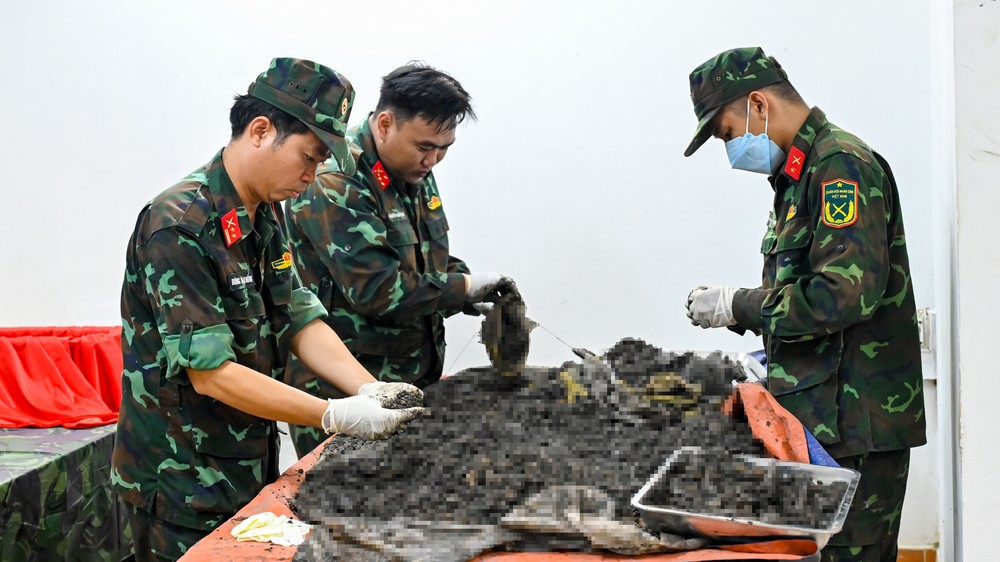
From the outset, search teams established field camps and remained at the site to sustain operations. In the initial phase, five specialized teams — K70 of the Military Region 7 Political Department, K71 and K73 of the Tay Ninh Provincial Military Command, K72 of the Dong Nai Military Command, and K74 of the Ho Chi Minh City Military Command — deployed alongside hundreds of officers and soldiers.
Subsequently, Team K74 took the lead in carrying out the recovery mission, working with specialist units responsible for collecting remains, taking samples, and preserving both remains and associated artifacts.
On July 4, the city's Steering Committee 515 established an operational command and five specialist units: a sampling and digitization team; an information and communications team; a security and safety team; an artifact inventory team; and a logistics and technical support team.
To accelerate progress despite harsh weather, Team K74 adopted a continuous two-shift schedule. While expanding the third survey area in Zone A, personnel pressed ahead with recovery work in Zone B.
The handling of hundreds of cubic meters of soil each day has followed strict principles: urgency and determination, balanced with caution, scientific rigor and objectivity.
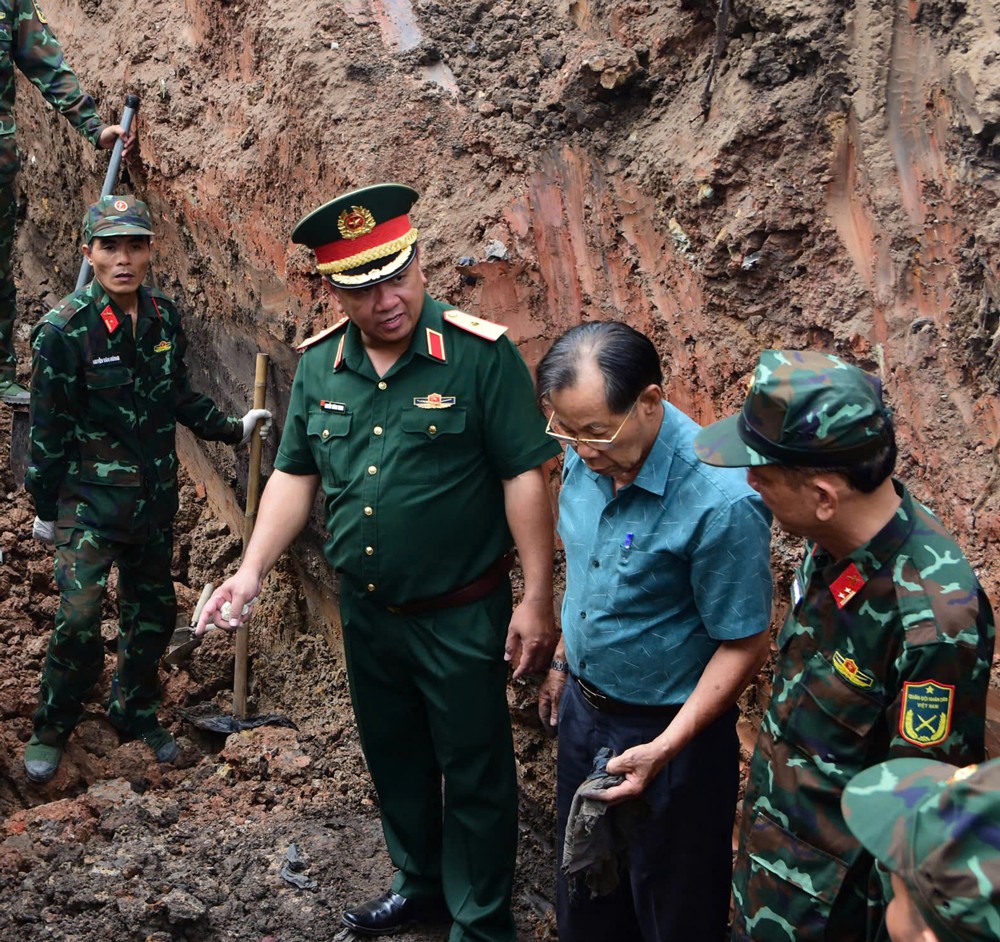
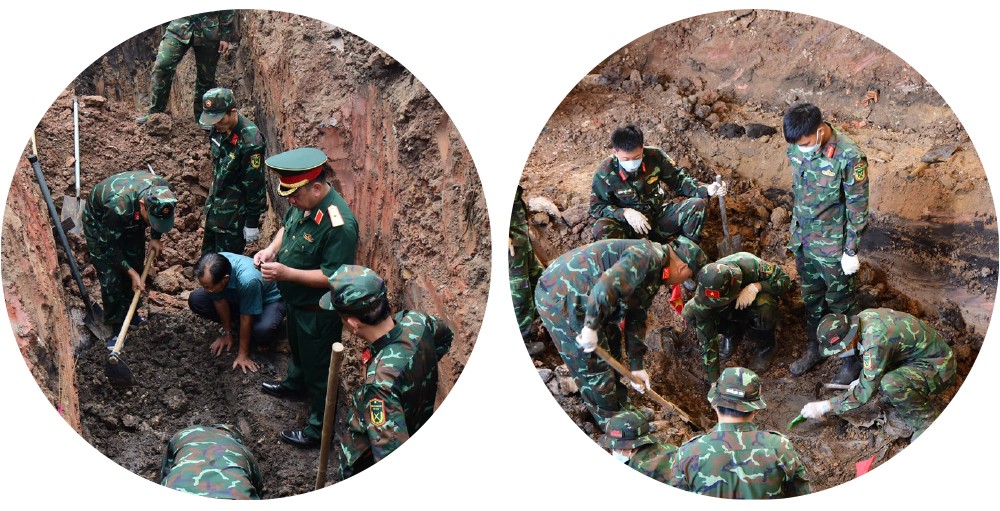
Major General Nguyen Thanh Trung, Political Commissar of the Ho Chi Minh City Military Command and Standing Deputy Head of the city's Steering Committee 515, said at the site that officers and soldiers were devoting their full efforts to the 500-day-and-night campaign.
He stressed that the objective was clear: make the most of every hour and minute to accelerate the work and strive to complete the search and recovery mission at Le Thi Rieng Park. Behind the demand for speed, however, lies the requirement for absolute care.
That commitment has sustained Team K74 as its members continue working through unpredictable rain and sunshine, excavating hundreds of cubic meters of soil daily.
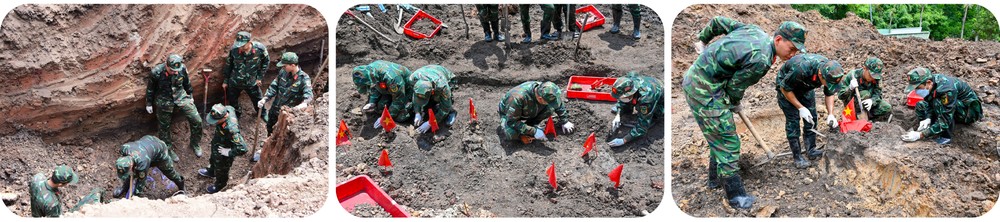
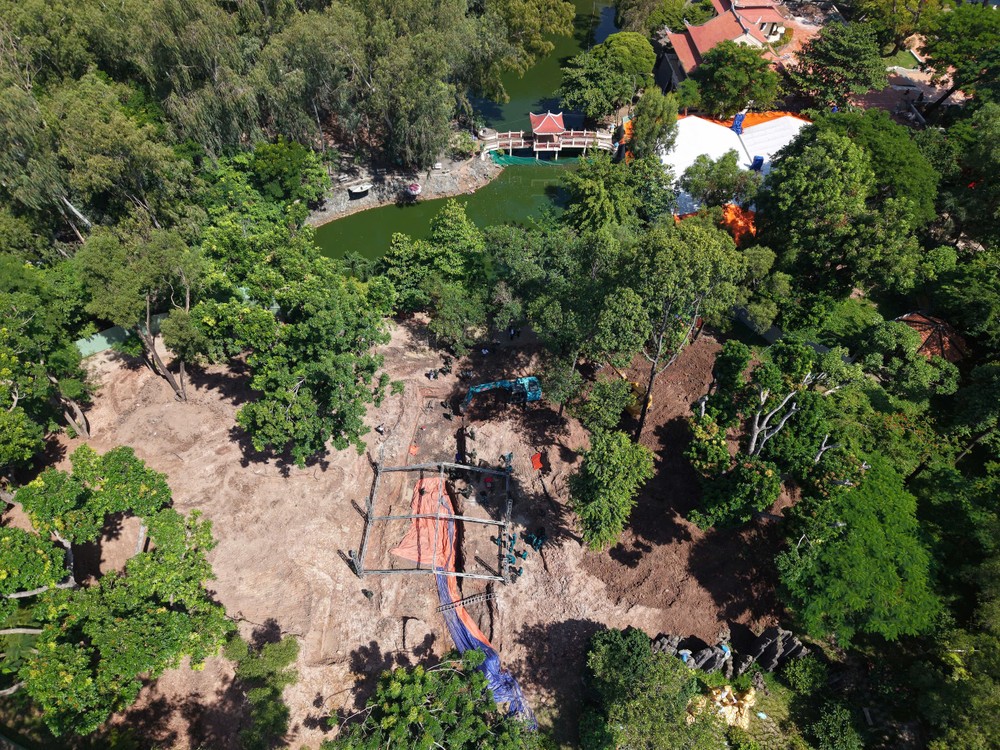

From June 23 through October 5, 2026, recovery teams had retrieved 731 sets of remains at Le Thi Rieng Park, including 698 individual sets and 33 sets from eight mass-grave locations — two in Zone A and six in Zone B. Of these, 307 sets were found with accompanying artifacts.
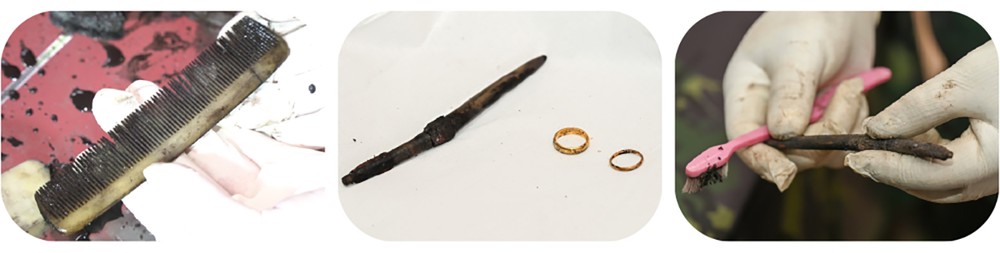
Buried for nearly 60 years, objects such as rubber sandals, fountain pens, rings, necklaces, watches, keys, scarves, military tent ropes, belts and work documents may help reconstruct the lives of those who never returned home. Each can provide a valuable clue to restoring a name to a fallen soldier.
Every artifact is carefully collected, catalogued, digitized, and preserved. Even a shirt button or a tiny fragment of metal can carry significant information, helping investigators narrow down the possible military unit involved, the circumstances of a soldier's death and potential avenues for identification.

Alongside field operations, Ho Chi Minh City has proactively collected biological samples from unidentified fallen soldiers buried at all 18 martyrs' cemeteries across the city.
By mid-August 2026, authorities had collected 9,854 samples. Following specialist screening, 7,104 were deemed suitable for DNA testing.
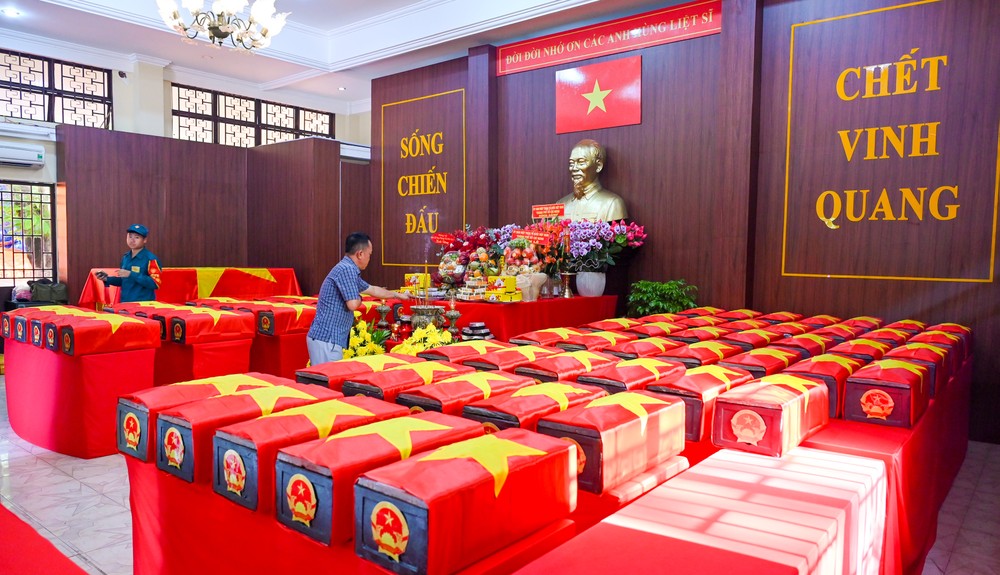
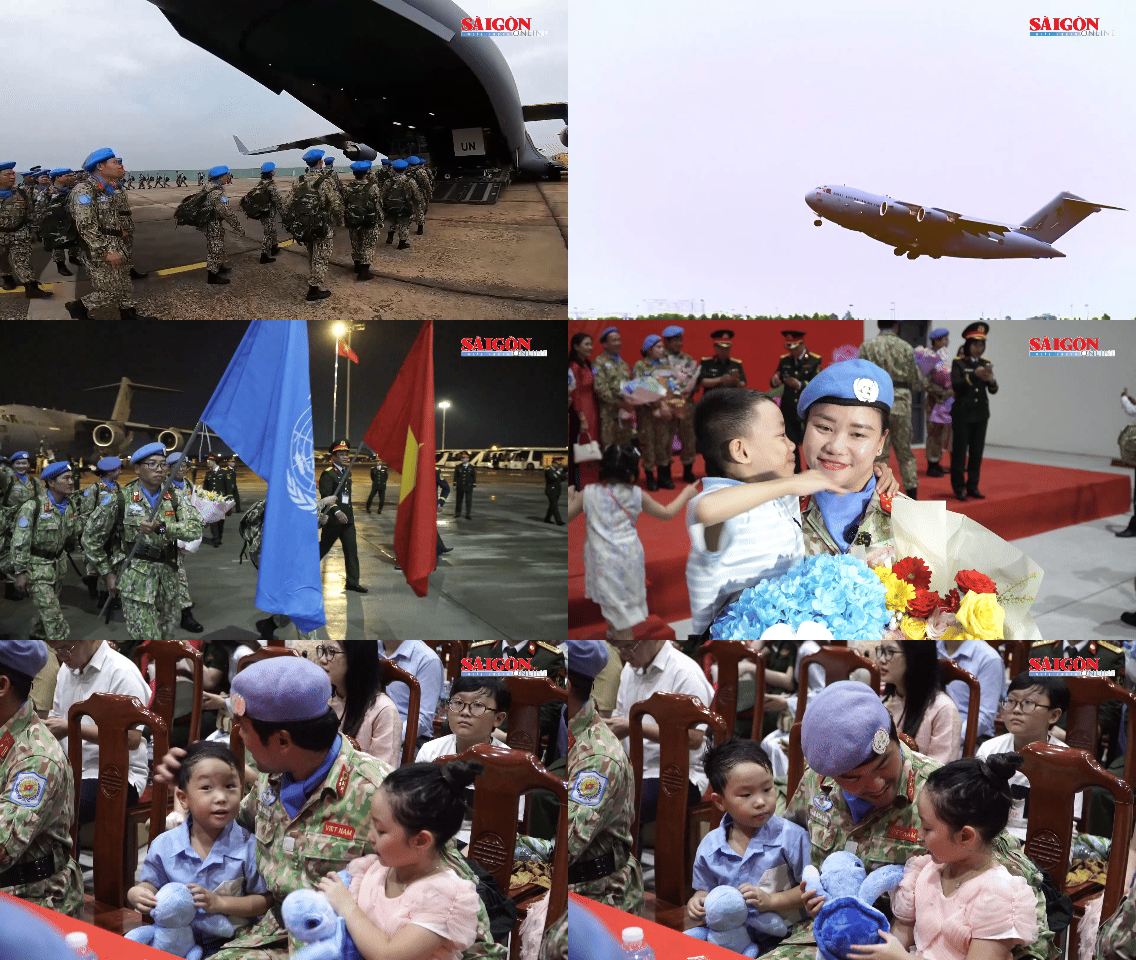
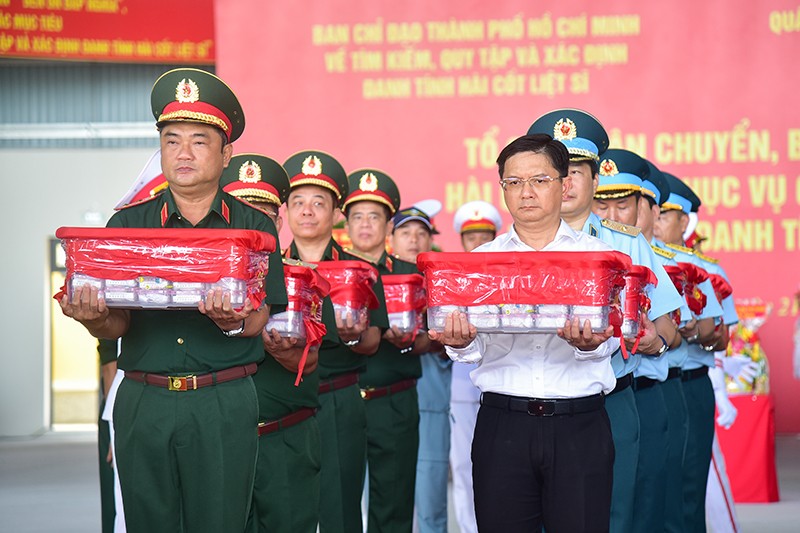
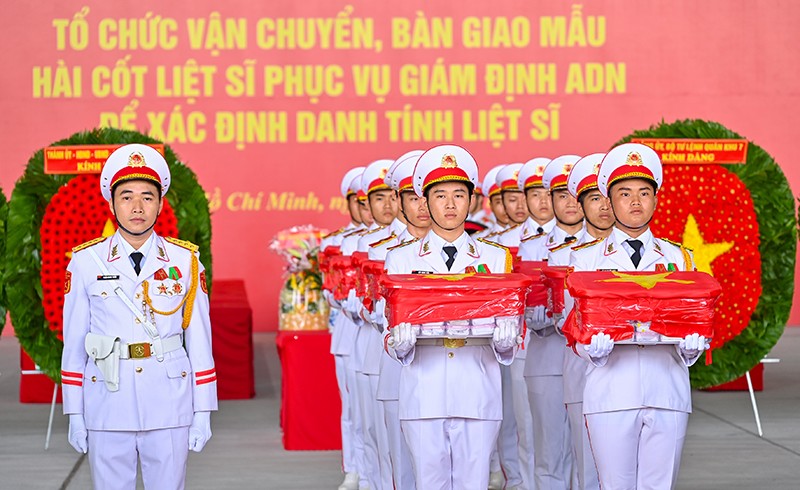
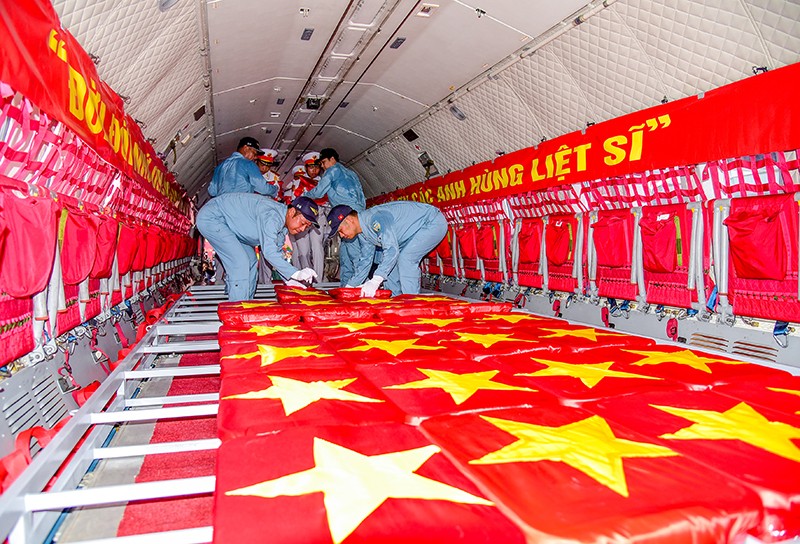
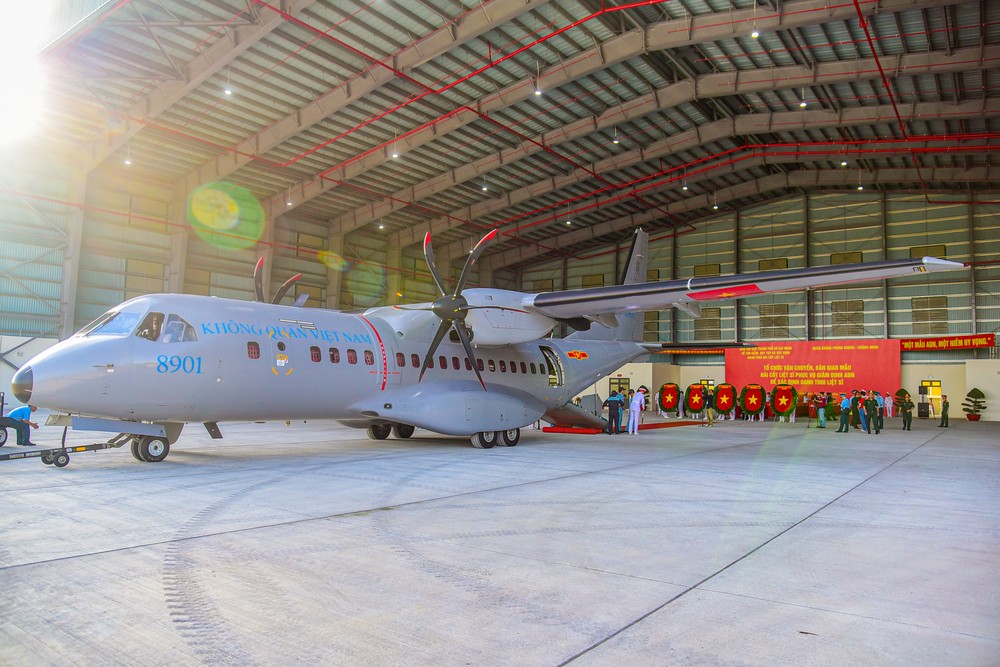
On August 21, a special flight named “Hope,” operated by a CASA-295 military aircraft, transported all 7,104 samples to Hanoi. The samples were solemnly sealed in 100 specialized containers draped with the national flag.
They were subsequently transferred to the Vietnam Academy of Science and Technology for analysis, in preparation for comparison with DNA samples from the soldiers' relatives.

Mr. Nguyen Manh Cuong, Alternate Member of the Party Central Committee, Member of the municipal Party Standing Committee, Vice Chairman of the Ho Chi Minh City People's Committee and Head of the city's Steering Committee 515, affirmed that the city would continue the mission with the highest sense of responsibility.
The municipal Party organization, authorities, armed forces and residents regard the search, recovery and identification of fallen soldiers' remains as a particularly important political task and a sacred obligation to those who sacrificed their lives for the nation.
Every set of remains recovered represents another Vietnamese son brought home. Every artifact may provide a lead to a soldier's name and hometown, reconnecting him with his family and comrades.
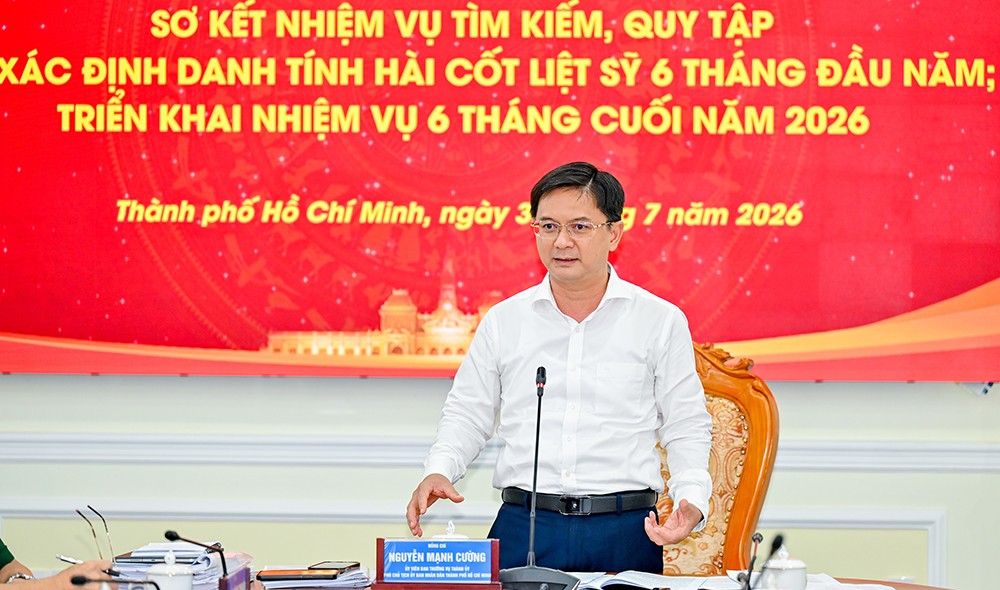
“Some families have spent nearly their entire lives searching for their loved ones, and every breakthrough opens another door of hope for them. This is therefore not merely a matter of searching for remains or conducting DNA tests. It is a responsibility borne by today's generation toward those who gave their youth and sacrificed their lives for the country,” Mr. Nguyen Manh Cuong said.
“Ho Chi Minh City must devote every possible effort to restoring their identities and bringing them home to their families and hometowns.”
Le Thi Rieng Park is one of the key search sites, but it is not the final destination in this undertaking. The city has identified approximately 12 additional suspected locations of mass graves containing fallen soldiers' remains.
Guided by the principles of urgency, determination, caution, objectivity, and scientific rigor, Ho Chi Minh City will maintain its resolve and pursue every lead to ensure that no fallen soldier is left behind and that all can ultimately return to their homeland.