Reporter: How exactly does the HCMC Department of Education and Training plan to robustly implement Decision 2422 to ensure maximum efficacy, particularly regarding the crucial stage of supporting schools?
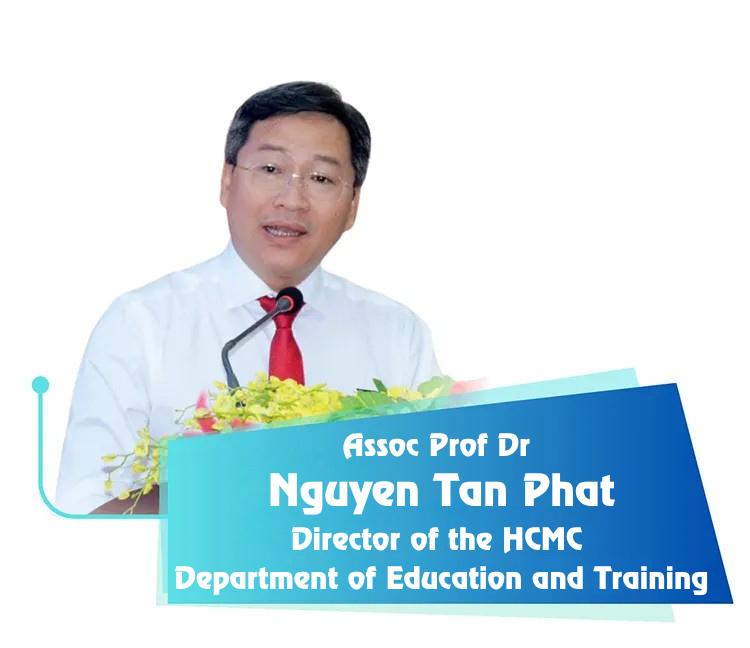
Assoc Prof Dr Nguyen Tan Phat: The Department of Education and Training promulgated Plan 9261/KH-SGDDT on September 8, 2026, deploying AI educational content for general students. Adhering to the Ministry’s stringent novel guidelines, these specialized AI modules are orchestrated for 12 lessons per academic year. They’re meticulously integrated into the dual-session daily teaching schedule, seamlessly aligning with distinct student demographics so it doesn’t trigger overwhelming academic pressure.
Furthermore, the Department has strategically provided comprehensive guidelines to estimate the financial budget necessary for dual-session schedules. It’s actively allocating recurrent expenditures strictly for digital transformation activities, guaranteeing sufficient resources for AI deployment under current decentralization protocols.
Authorities are directing schools within professional clusters to enhance specialized activities. Educators must actively share invaluable experiences, passionately exchange ideas, and systematically replicate highly effective solutions currently thriving across disparate units.
Reporter: Given HCMC’s distinctly unique characteristics, exactly what highly specific objectives is the municipality’s AI education targeting?
Assoc Prof Dr Nguyen Tan Phat: The foremost objective guarantees students are exposed to the AI Educational Framework’s quintessential core content. Capitalizing on its advantage as the nation’s massive sci-tech hub, HCMC definitively determines that bringing AI into schools simply won’t stop at a skills-based subject. Instead, it’ll profoundly serve as a vital component forging a high-quality workforce.
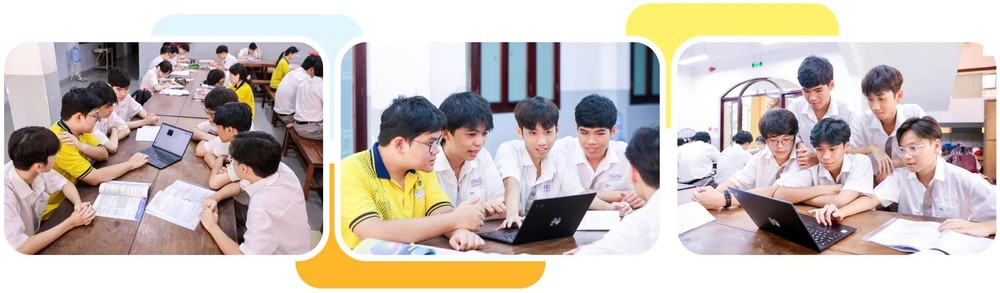
From that foundation, authorities can accurately detect and chart a meticulous nurturing roadmap for exceptionally gifted youths. For high schools for the gifted, alongside institutions achieving digital benchmarks, we heavily encourage orchestrating tailored educational activities satisfying overarching demands and innate aptitudes. This creates highly favorable conditions for students to voluntarily explore, expand upon, and rigorously elevate their AI comprehension.

Reporter: Allowing students to actively access AI undeniably poses numerous daunting challenges concerning information security, personal data protection, and academic ethics. What specific guidelines, comprehensive review mechanisms, or rigorous supervisory procedures will the HCMC Department of Education and Training deploy for AI tools introduced into schools to effectively guarantee safety and profound responsibility, while successfully avoiding dumping financial pressure onto parents?
Assoc Prof Dr Nguyen Tan Phat: The pervasive viewpoint of the HCMC Department of Education and Training when introducing AI into schools hinges on a proactive approach that absolutely guarantees uncompromising safety and stringent ethics, while doesn’t forge grueling burdens for parents, with three core directive pillars.
Firstly, safeguarding students’ personal data remains paramount. Schools are strictly permitted to exclusively utilize AI platforms perfectly suited for specific age groups, strictly adhering to the Law on Cyber Information Security and the Law on Personal Data Protection. It’s forbidden to forcefully require students to utilize personal accounts for unvetted tools.
Furthermore, the Department actively guides educational facilities in deploying robust procedures to successfully guarantee information security, providing meticulous instructions on troubleshooting and officially reporting AI-related incidents so schools can promptly handle issues as they arise.
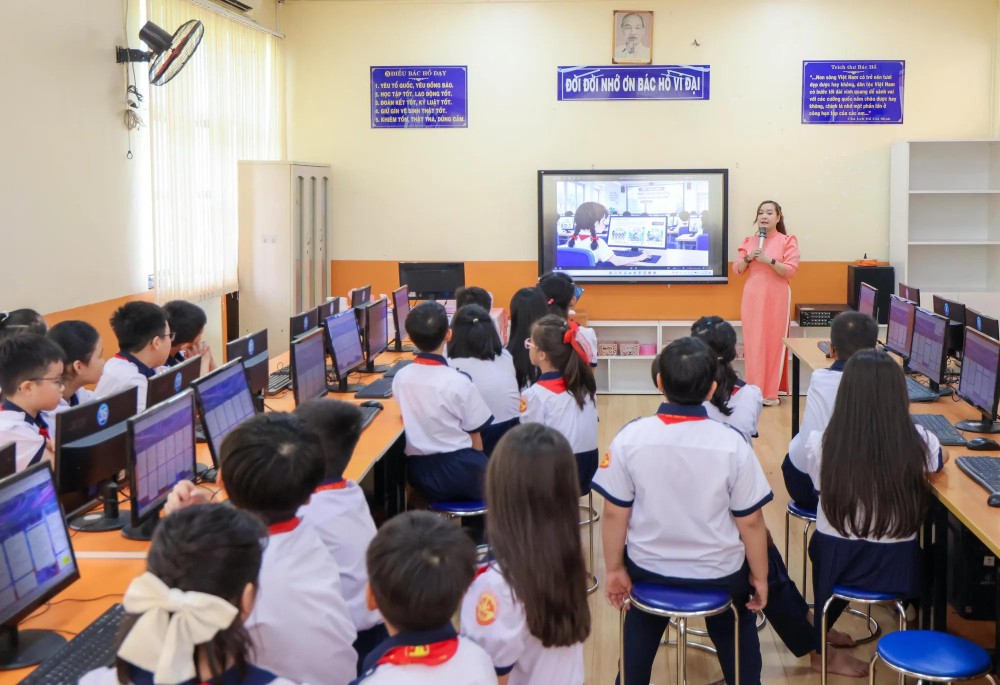
Secondly, deploying AI education absolutely must guarantee high ethics alongside rigorous supervision. Educational facilities must officially promulgate crystal-clear regulations concerning AI usage within testing and comprehensive evaluation. Students can utilize AI exclusively under an educator’s watchful eye and must transparently declare it.
We must overhaul evaluation methodologies. This means not to simply grade predicated on final outcomes, but rather evaluate the whole process and the student’s critical reasoning capacity. AI can’t take over the quintessential role of the teacher; educators must unequivocally retain their subjective role throughout the educational process. The Department will supervise practical deployment, ensuring execution stays flawlessly on track with pedagogical objectives.
Thirdly, schools shouldn't forge financial pressure for parents. They must actively capitalize on existing infrastructure, heavily prioritizing vetted free platforms. Every expanded activity must strictly operate on a completely voluntary spirit. Facilities must have offline contingency plans for disadvantaged students, guaranteeing nobody is carelessly left behind. It’s strictly forbidden to forcefully require purchasing digital devices or service packages simply to participate in mandatory AI educational content.
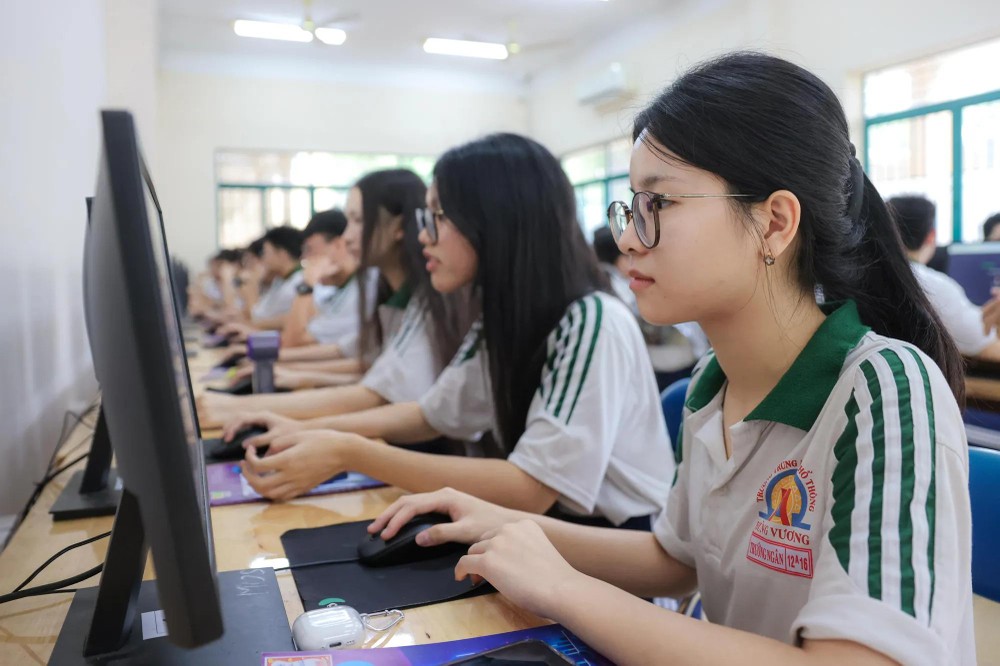
Only when teachers are skillful can classrooms truly be smart
Reporter: The teaching workforce serves as the standard determining factor for success when rolling out this entirely novel content. How does the HCMC education sector collaborate with universities to successfully organize rigorous professional development?
Assoc Prof Dr Nguyen Tan Phat: Currently, HCMC boasts a comprehensive Project aimed at cultivating digital competencies for educators. It’s successfully executing the City’s Education Sector Digital Transformation program for the 2022-2025 period, with a sweeping vision extending to 2030.
The Department officially promulgated Plan No. 2738/KH-SGDDT in 2025, proactively coordinating with universities alongside Viettel to get things off the ground. Spanning into 2026, there’s a highly specific roadmap dedicated to updating foundational knowledge on digital technology and artificial intelligence tailored for each demographic.
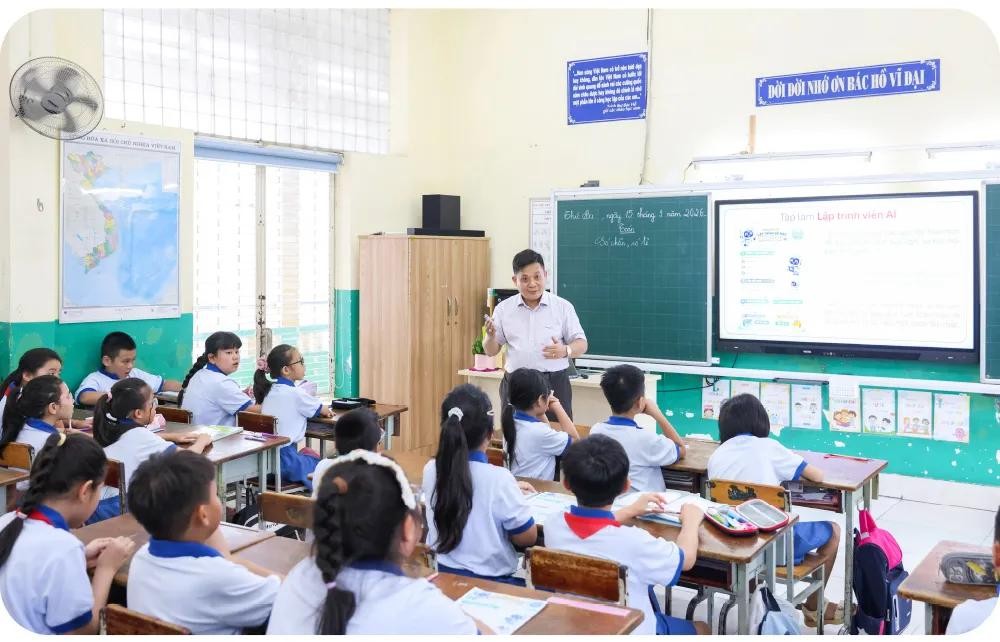
For the 2026-2027 academic year, the Department is thoroughly coordinating with higher education institutions to organize regular training. This heavily focuses on cultivating managers regarding IT application within school governance, while simultaneously training teachers on properly exploiting technological devices in the classroom. Ultimately, they aim to robustly support educators, ensuring they don’t fall short of the Ministry’s highly stringent Curriculum demands.
Content: Dang Trinh, Do Thien
Design: Minh Thu
Translation: Thanh Tam