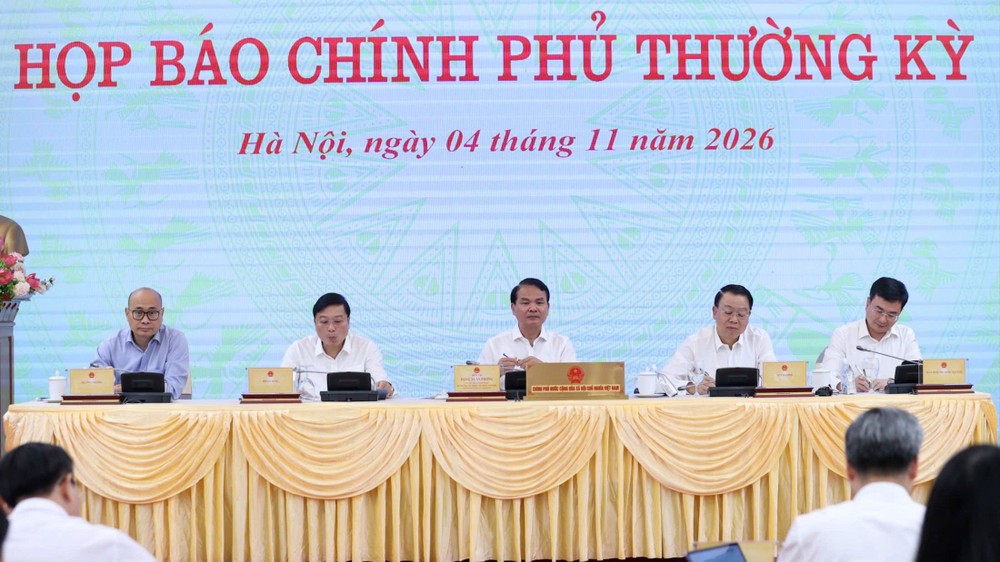
The Government Office held its regular October press briefing in Hanoi, chaired by Minister and Chairman of the Government Office Dang Xuan Phong, who also serves as the Government's spokesperson, to discuss the country's socioeconomic performance and priorities for the remainder of the year.
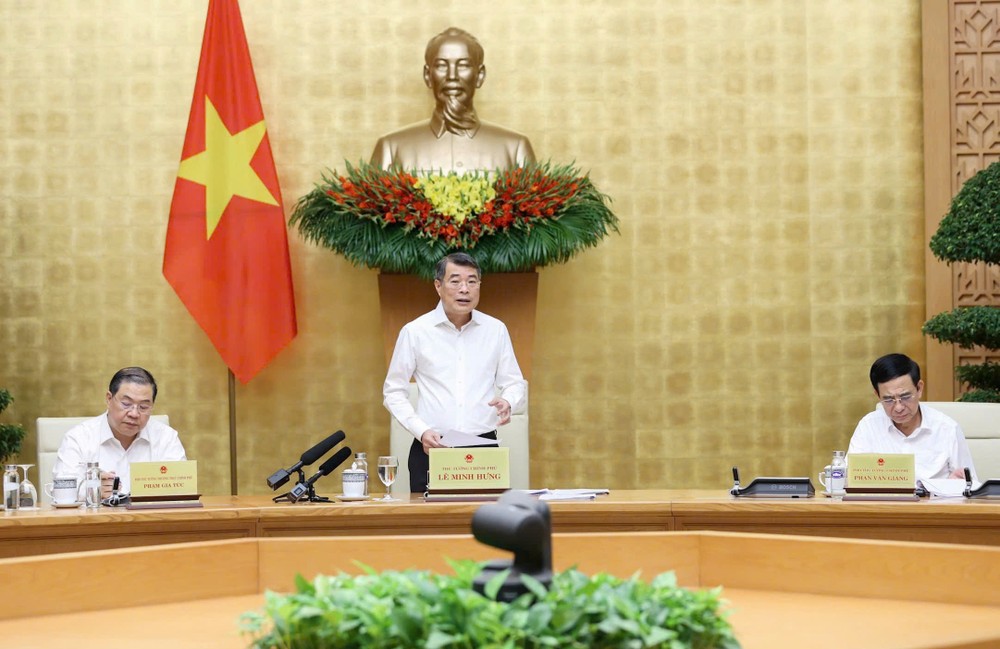
At the briefing, Mr. Dang Xuan Phong said the Government had reviewed economic and social developments at its regular October meeting earlier that morning, chaired by Prime Minister Le Minh Hung.
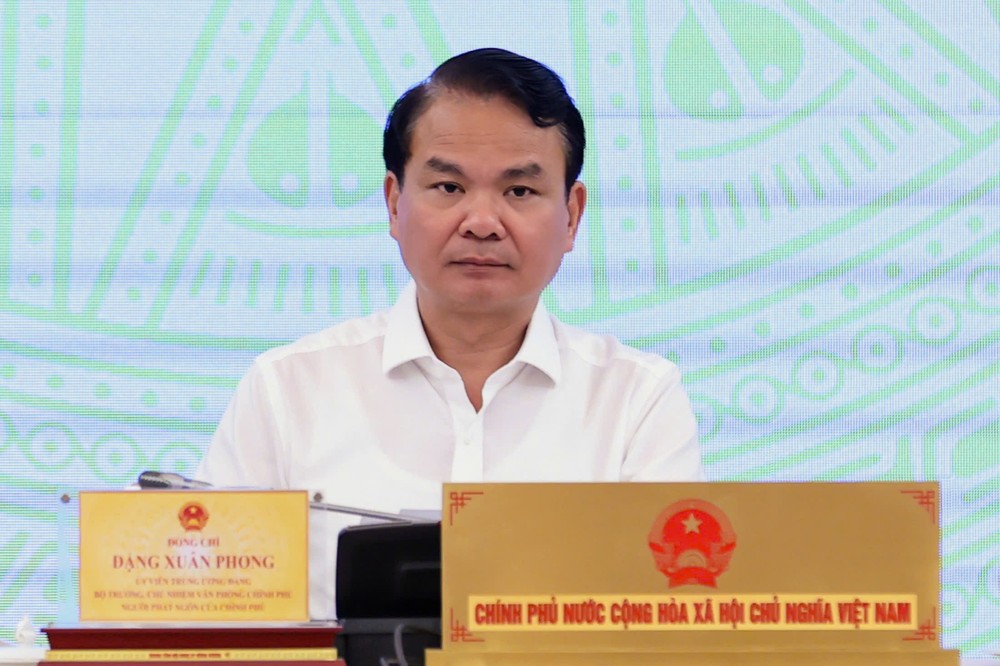
Government members highlighted progress in socioeconomic development, institutional reforms, national defense, security and foreign affairs during October and the January-October period.
Notable achievements included lending rate cuts by 22 banks and a trade surplus exceeding US$7.31 billion in October. Public investment disbursement reached VND708.57 trillion (US$26.8 billion) in the first ten months, equivalent to 75.4 percent of the annual target.
Authorities also resolved obstacles facing another 104 projects in October, bringing the total number of projects addressed this year to 3,661 out of 4,963. The measures have helped put nearly 146,000 hectares of land into use and unlock an estimated VND2.64 quadrillion in investment capital.
However, significant challenges remain. The average consumer price index (CPI) rose 4.57 percent in the first ten months, already exceeding the full-year target of approximately 4.5 percent. Lending rates also remain relatively high, while public investment disbursement has lagged in several ministries, agencies and localities.
Concluding the meeting, Prime Minister Le Minh Hung called for continued efforts to contain inflation, maintain macroeconomic stability and safeguard major economic balances. He also directed authorities to ensure that lending rate reductions for production, business activities and priority sectors were implemented transparently and effectively.
Other priorities include strengthening energy security, controlling input costs across the economy and stimulating domestic consumption during the final two months of the year.
The Prime Minister also called for preferential mechanisms, additional resources and faster resolution of administrative bottlenecks to help major economic hubs accelerate growth and make greater contributions to national economic performance. These include Hanoi, Ho Chi Minh City, Hai Phong, Dong Nai, Quang Ninh, and Bac Ninh.
He further instructed authorities to urgently address bottlenecks affecting 1,206 projects that already have approved mechanisms and policies for resolution, allowing them to become operational as soon as possible.
Lending and deposit rates continue to decline
At the press briefing, State Bank of Vietnam Deputy Governor Pham Thanh Ha said the central bank had instructed commercial banks and credit institutions to cut annual deposit rates by 0.5-1 percentage point on newly opened deposits with terms of at least six months, creating room for broader interest rate reductions.
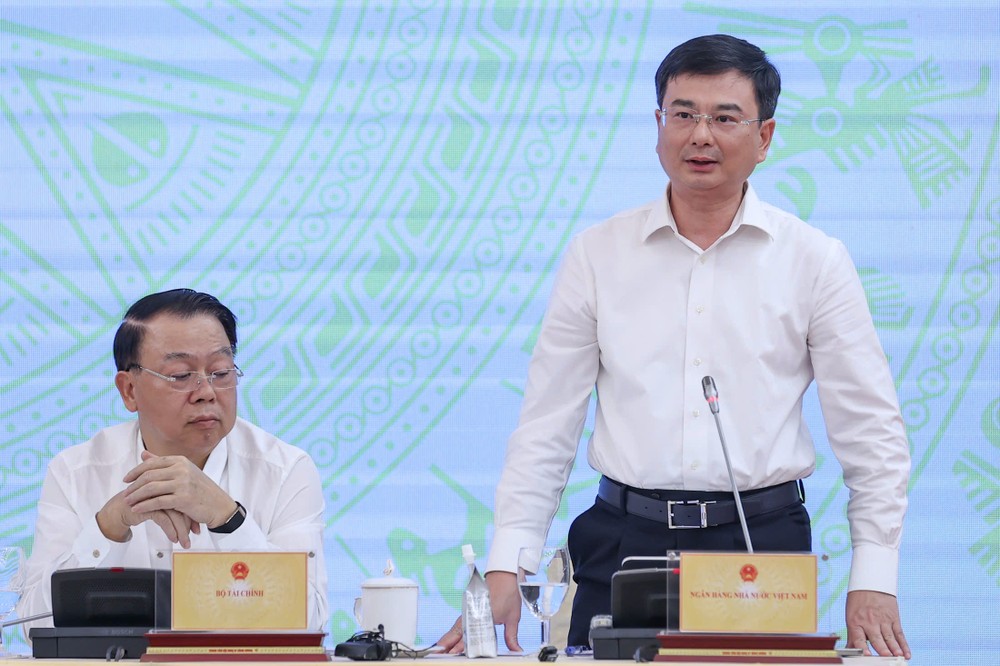
Banks were also directed to reduce lending rates by 1.5-2 percentage points for loans supporting production, business activities, and priority sectors.
In response, banks collectively lowered listed annual deposit rates by 0.5 percentage point for new deposits with terms of six months or longer. By the end of October, deposit rates had fallen 0.4 percentage point from the beginning of the month.
Actual interest rates on newly issued loans in late October also declined by 0.2-0.5 percentage point compared with early October. More than 20 banks announced preferential credit programs offering annual rate reductions of 0.5-2 percentage point for production, business activities, and priority sectors.
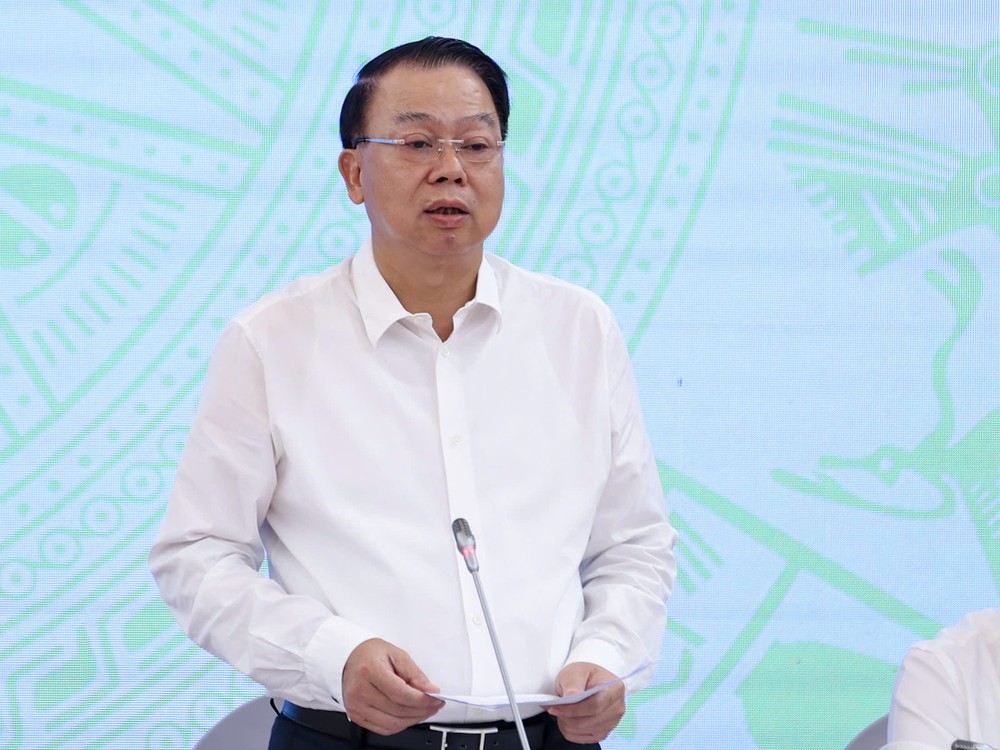
Mr. Pham Thanh Ha said the central bank would continue pressing lenders to lower both deposit and lending rates, while taking action against credit institutions that fail to comply with directives from the Government, the prime minister and the central bank.
Meanwhile, Deputy Finance Minister Nguyen Duc Chi reaffirmed that the Government's overarching pricing policy was to keep average CPI growth in 2026 at around 4.5 percent.
He said the reduction of the special consumption tax on gasoline to zero percent from November through March, along with a 2 percent electricity price cut, would affect both State budget revenue and inflation.
The temporary tax exemption for gasoline is expected to reduce State budget revenue by nearly VND7 trillion. Together, the tax cut and electricity price reduction are projected to lower November 2026 CPI by 0.5 percentage point compared with October and reduce average CPI growth for the full year by 0.08 percentage point.