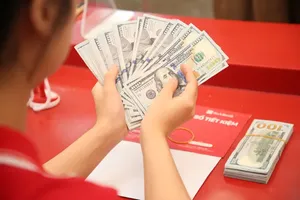
Vietnam, long a top-10 global destination for remittances, is gearing up for its yearly rush of money sent home by overseas workers and family members as the Lunar New Year, known as Tet, gets closer.
With more than US$16 billion flowing in each year, these funds have become vital "soft capital" that delivers broad and enduring benefits across the economy.
A key lifeline for economy
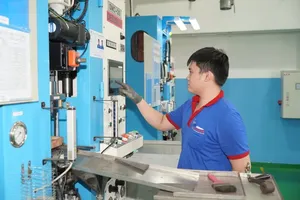
The International Organisation for Migration (IOM) reported that global migrants now number around 304 million. Among them, over 6 million Vietnamese spreading across more than 130 countries and territories form a powerful economic bridge back home. This varied community, from blue-collar workers and students to high-skilled professionals, entrepreneurs, and experts, keeps remittance streams flowing steadily.
Inflows follow a predictable seasonal rhythm, picking up speed in the fourth quarter and peaking right before Tet, when overseas Vietnamese (OVs) wire cash for family aid, home upgrades, festive spending, business ventures, or long-term savings.
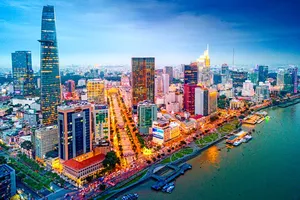
Ho Chi Minh City, capturing about 60 percent of the nation’s remittances, logged nearly US$8 billion in the first nine months of 2025, up more than 6 percent annually. Third-quarter volumes slowed a bit in the third quarter but were still 18 percent higher than the same time in 2024. The city is expected to end the year with about US$10.5 billion.
Nationwide, Deputy Prime Minister and Foreign Minister Le Hoai Trung announced that 2025 remittances set a new record above US$16 billion, injecting critical fuel into national growth.
Banking expert Dinh Trong Thinh pointed out that these transfers do far more than raise living standards for millions of families. They shore up the balance of payments, swell foreign-exchange reserves, steady the exchange rate, and bolster the Vietnamese dong’s strength. That ultimately makes monetary policy work better, cut the need for foreign loans, and ease budget and debt servicing strains.
Banks battle for a slice of Tet windfall
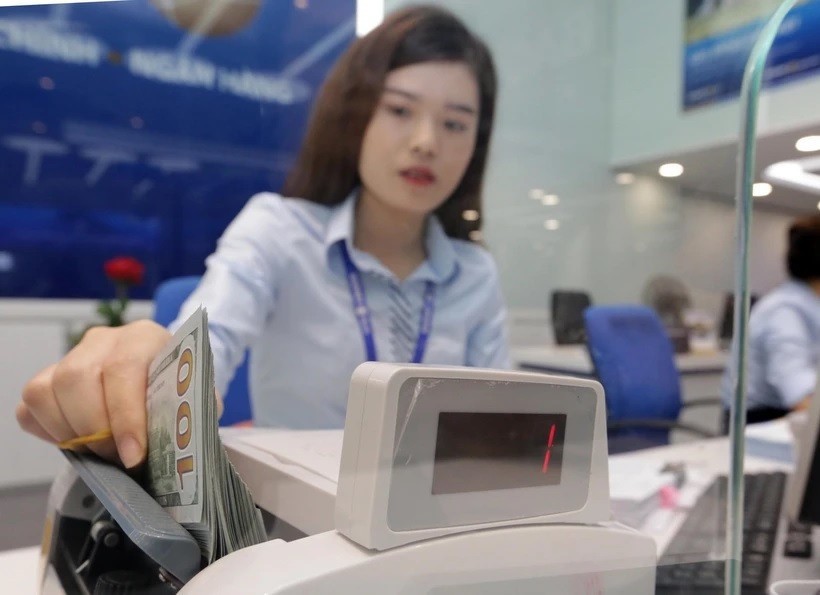
With remittances playing such a big role, commercial banks are fiercely vying for market share, especially during the Tet rush. They are rolling out aggressive promotions, pushing digital services, and inking deals with global transfer giants.
SeABank, for instance, has linked arms with MoneyGram to deliver 24/7 online transfers via its SeAMobile app, letting money go straight to accounts without a trip to the branch.
Agribank, Vietnam's largest Western Union payout agent, kicked off its “Remittance Season 2026” campaign spanning December 15, 2025 to February 28, 2026, complete with in-branch prize draws and online perks. Its huge network of branches and Western Union's long history make it reliable, even in far-flung areas.
Players like HDBank are jumping in too, teaming with UK-based TerraPay to widen payout networks. Banks overall are pushing better rates, lower fees and faster service to beat unofficial transfer methods.
Steering remittances toward long-term gains
Analysts expect remittance growth to persist into 2026, propelled by supportive government policies. One big change is the updated Land Law 2024, which makes it simpler for OVs to buy property and could draw more money into real estate.
The geography of inflows is changing as well. In Ho Chi Minh City, Asia still leads with a 50 percent share, followed by America at 30 percent. But funds from emerging markets like Africa have exploded, up as much as 150 percent, tracking the widening global reach of Vietnamese workers.
Yet the remittances remain voluntary, hinging on OV trust in Vietnam’s economic outlook. Experts stress that steady macro policies, inflation control, flexible exchange rate management, and a sound banking system are key to keeping the pipeline open.
A research team headed by Trinh Thi Thu Hang from the Vietnam National University-Hanoi’s University of Economics is urging bold policy shifts to funnel remittances into savings, production and trade, startup capital, and community projects. Directing them toward education, health care, sci-tech, and green financing, they said, would generate lasting value while guarding against speculative bubbles that threaten market stability.