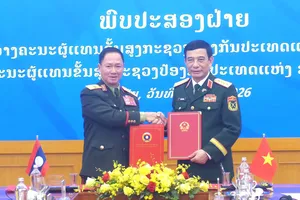
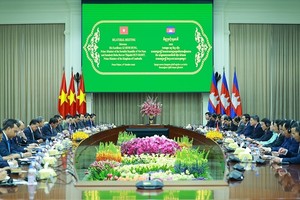
In line with the agreements reached by the defense ministers of Vietnam, Laos and Cambodia at their 2019 ministerial meeting, as well as the 2026 defense cooperation plans between the Vietnamese Ministry of National Defense and its Lao and Cambodian counterparts, Vietnam's Ministry of National Defense organized a trilateral civil defense exercise on the morning of October 14.
The exercise, held at Brigade 249 of the Engineer Corps, was themed “The Civil Defense Forces of the Armed Forces of Vietnam, Laos and Cambodia Coordinate to Respond to and Mitigate the Consequences of a Super Typhoon.”
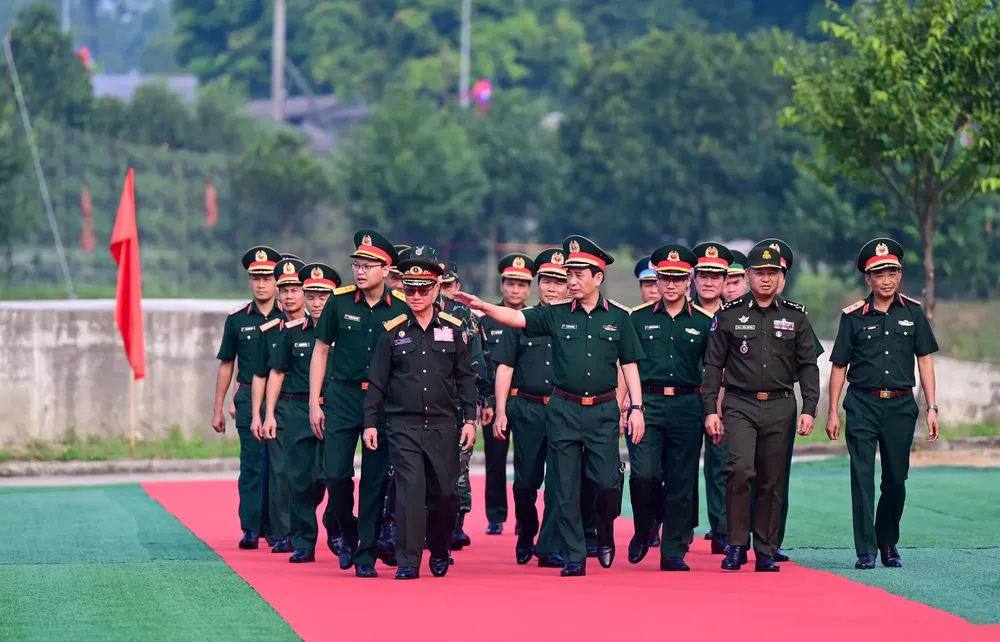
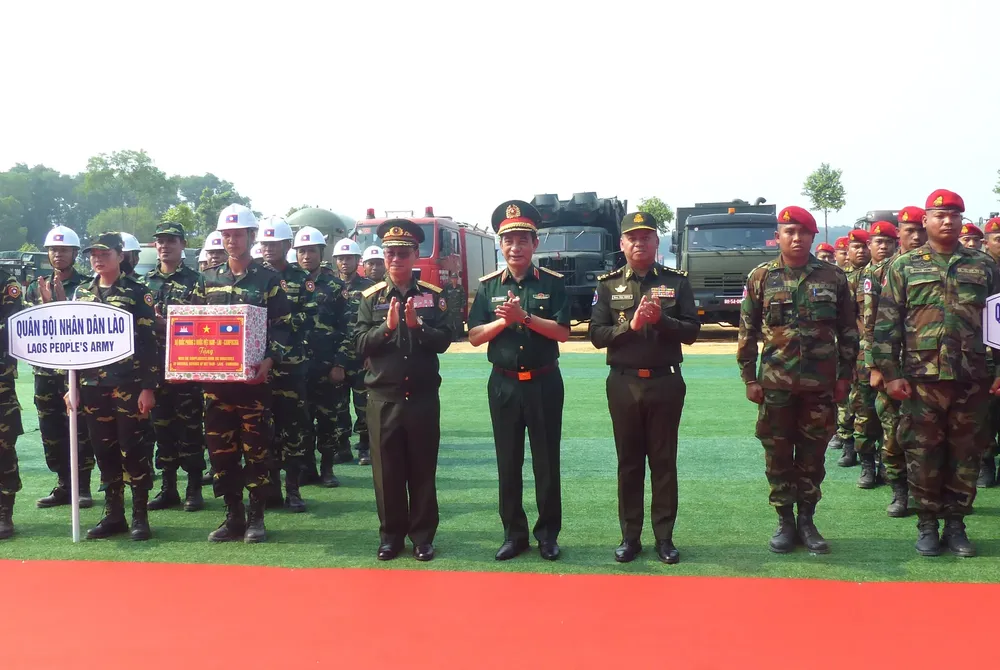
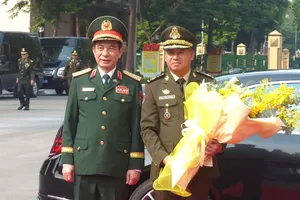
Attending and directing the exercise were General Phan Van Giang, Politburo member, Deputy Secretary of the Central Military Commission, Deputy Prime Minister and Minister of National Defence of Vietnam; General Khamliang Outhakaysone, Deputy Prime Minister and Minister of National Defence of Laos; and General Tea Seiha, Deputy Prime Minister and Minister of National Defence of Cambodia.
The exercise aims to enhance the three countries’ armed forces’ command, organizational and coordination capabilities in disaster relief and emergency response. It also seeks to strengthen international cooperation in civil defense, consolidate traditional friendship, solidarity and comprehensive cooperation among the three militaries, maintain political security, and promote peace, friendship, cooperation and development in the region.
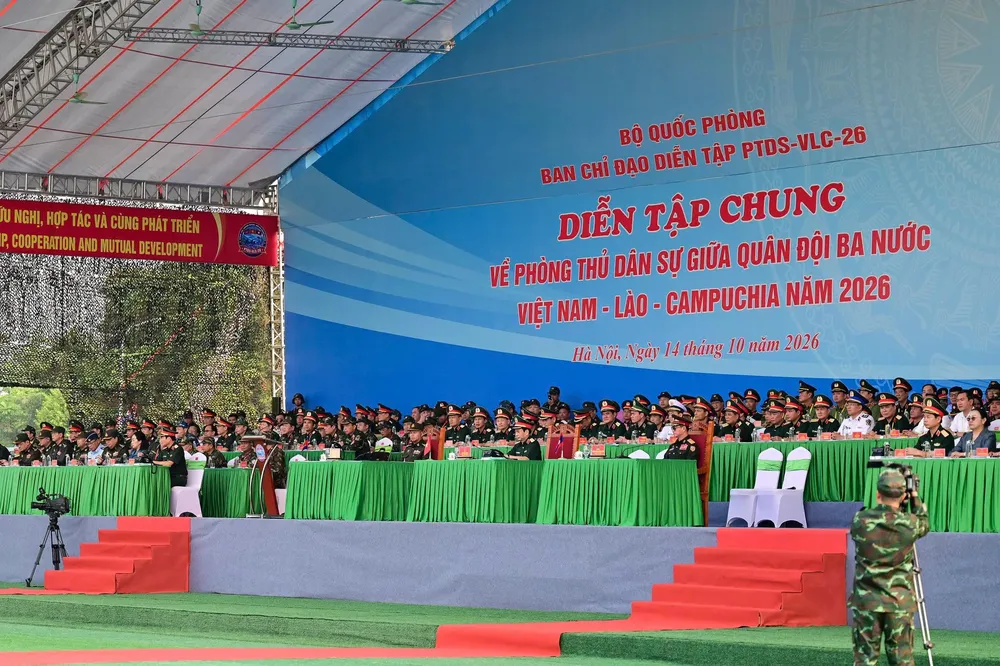
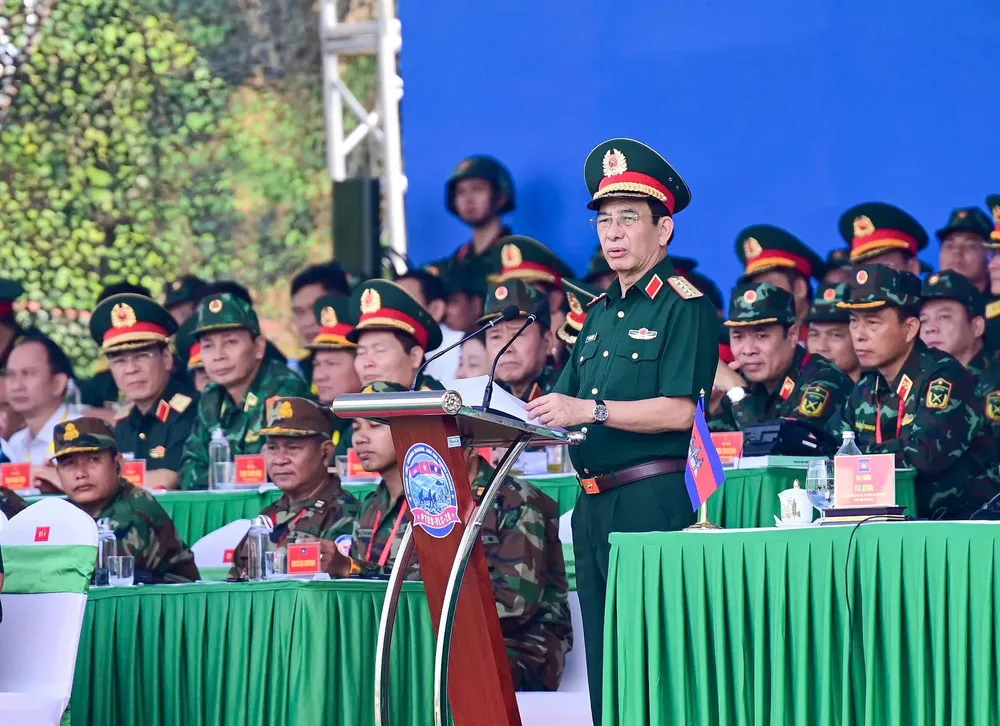
Speaking at the exercise, General Phan Van Giang noted that the world and the region are facing increasingly serious challenges. Climate change, natural disasters, epidemics, and environmental incidents have become common global concerns. Strengthening civil defense capabilities is not only an urgent task for each country but also an important contribution to regional security as a whole.
This joint exercise continues the fine tradition and serves as vivid evidence of the three militaries’ strong commitment to standing ready to coordinate efforts to address non-traditional security challenges in the region, protecting the lives and property of the people and safeguarding their peaceful lives in each country, General Phan Van Giang stressed.
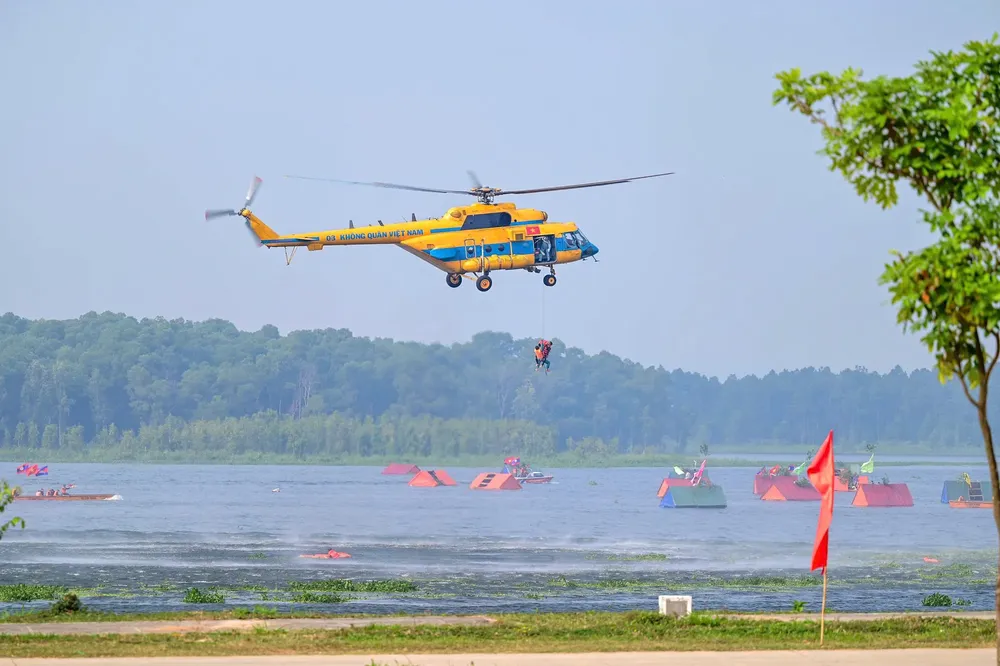
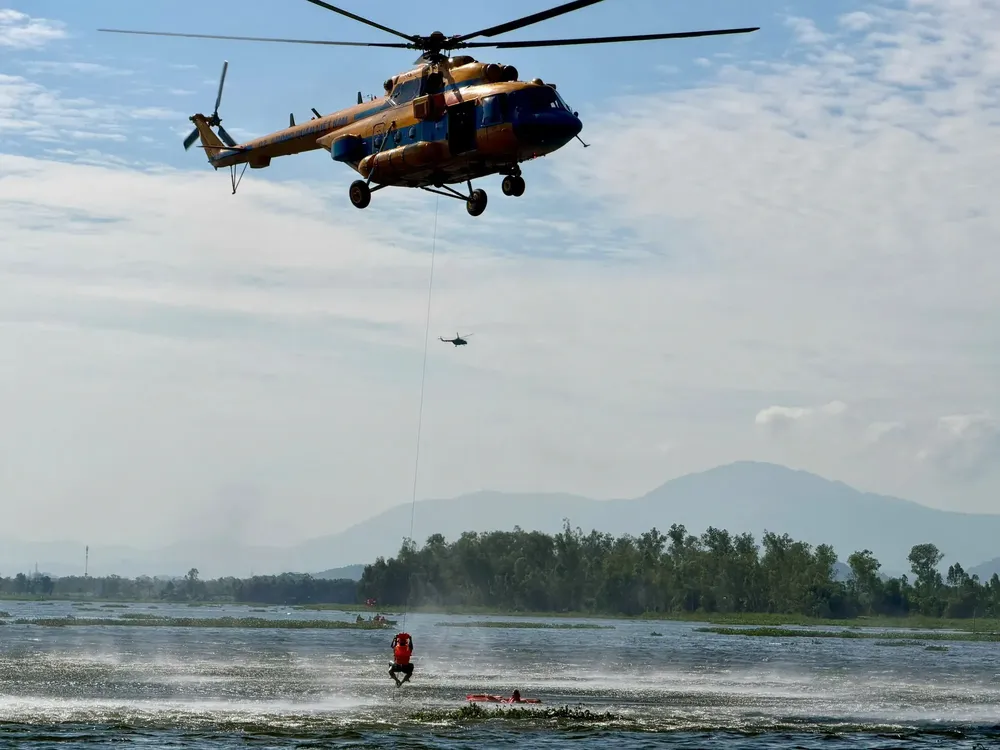
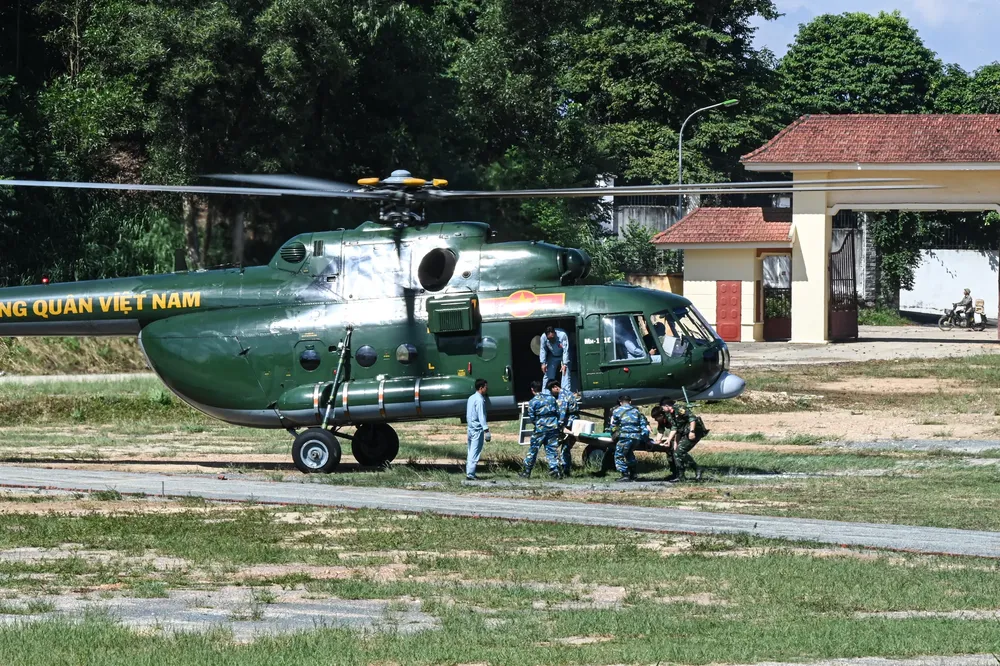
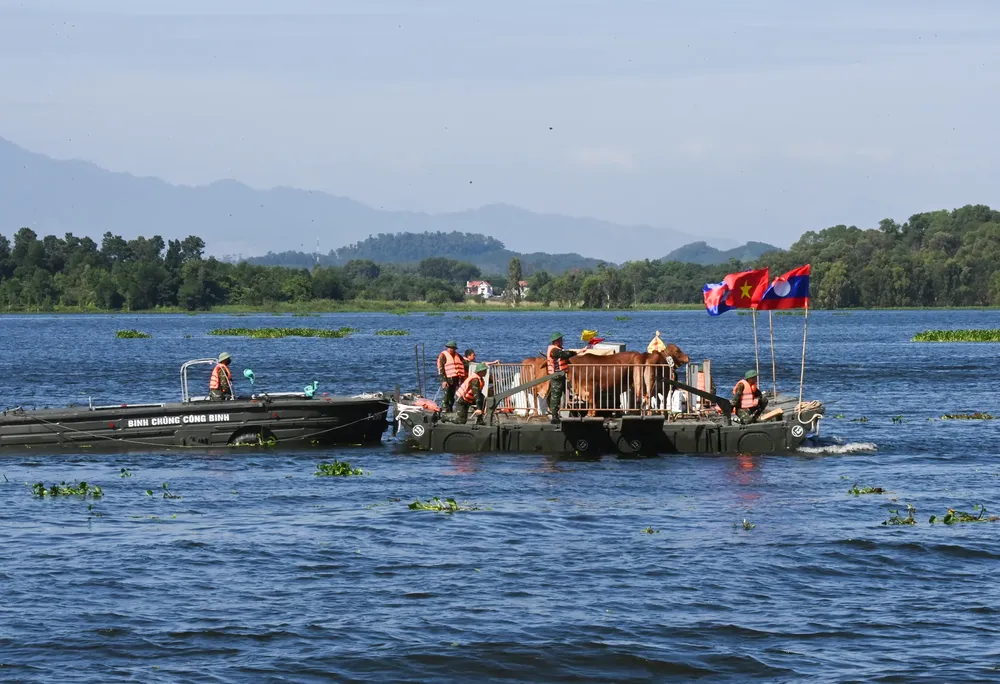
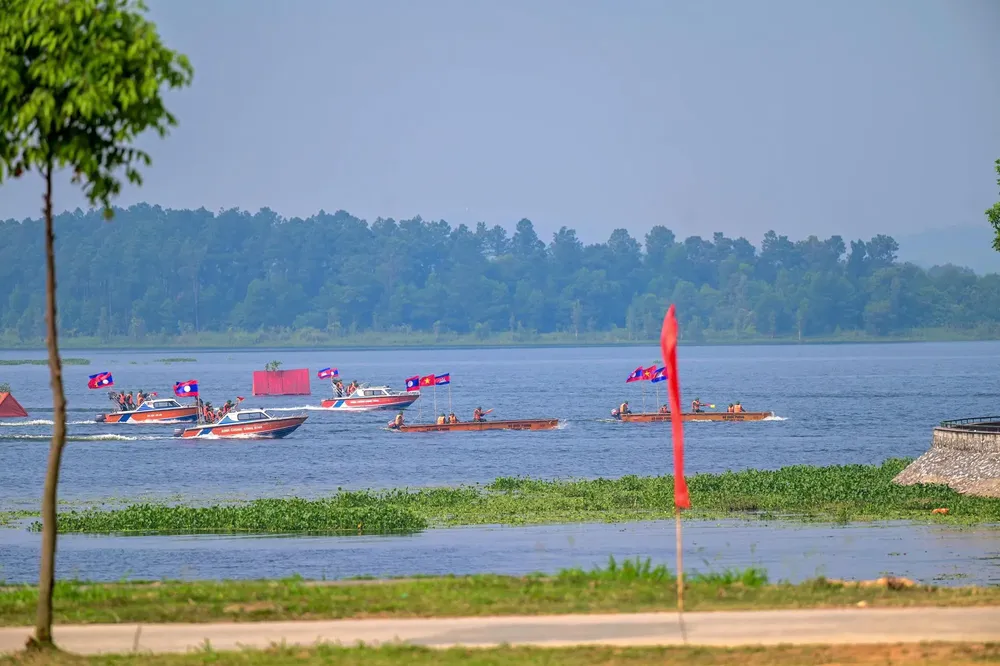
The exercise was divided into two phases, involving the Vietnam People's Army, with core forces from the engineer corps, air defense and air force, chemical corps, communications, military medicine, and border guard forces, alongside the Lao People's Army and the Royal Cambodian Army.
Phase 1: Preparation for responding to a super typhoon disaster. Training activities included establishing a joint command post, assigning tasks, and organizing coordination among the forces.
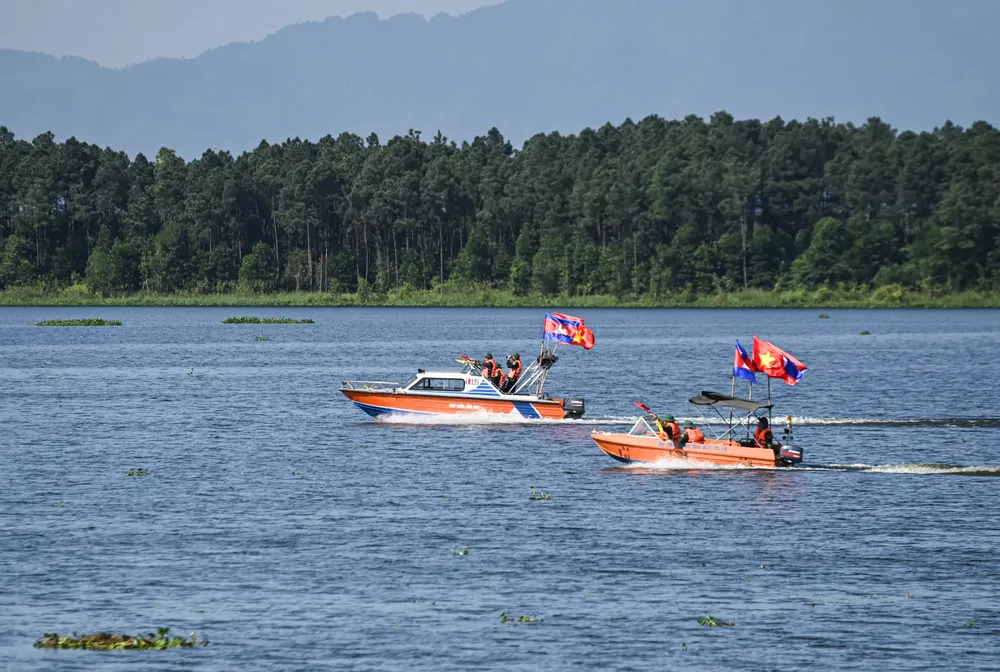
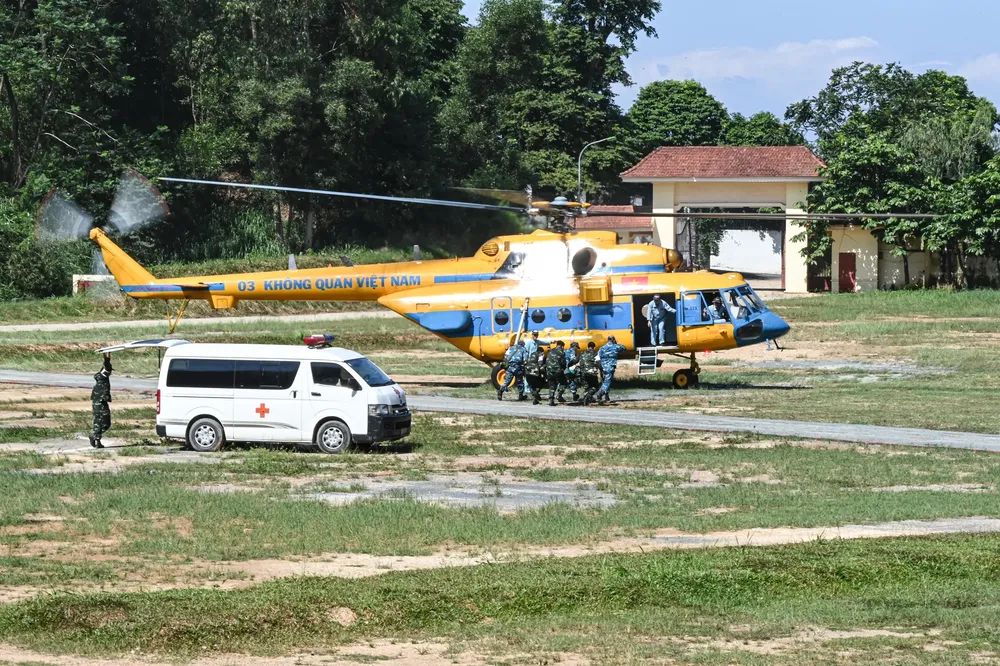
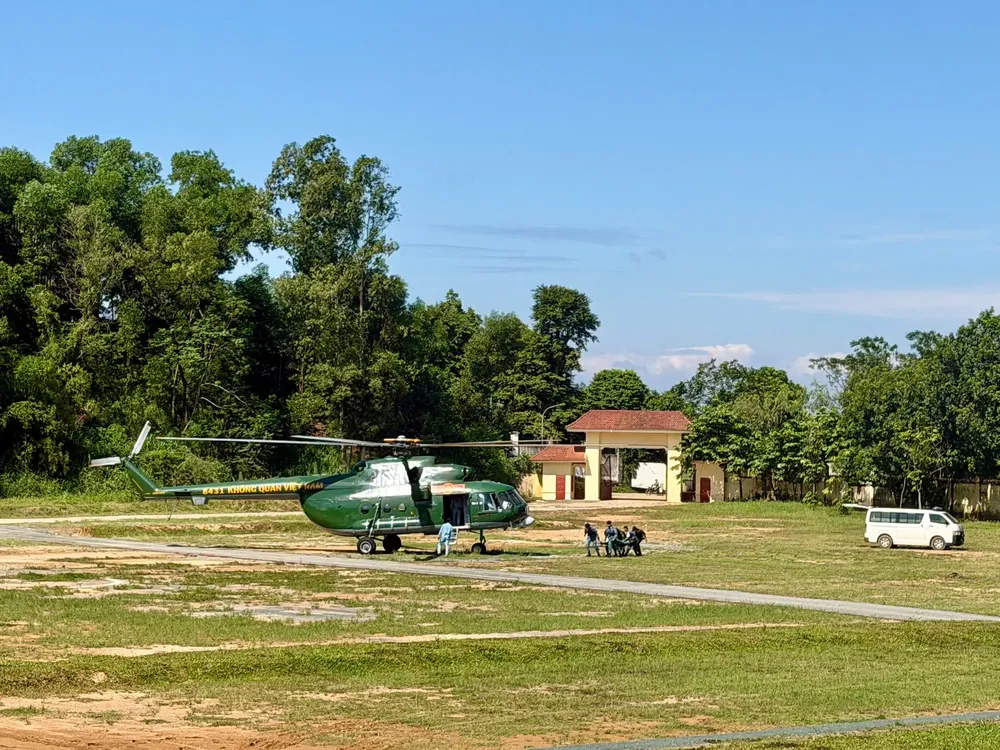
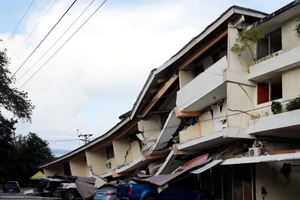
Phase 2: Practicing responses to a super typhoon disaster. Training scenarios included emergency rescue operations for people in flooded areas and the deployment of field hospitals; rescue operations following structural collapses; and responses to incidents involving leaks or the release of hazardous chemicals.
After an intensive and determined effort, all participating forces completed the exercise as planned, with absolute safety ensured.