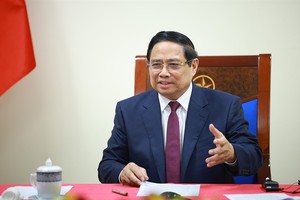
Further priorities include stepping up technology transfer, especially core technologies, developing high-quality human resources, considering the establishment of R&D and innovation centers in Vietnam, and strengthening links between businesses, research institutes and hospitals.
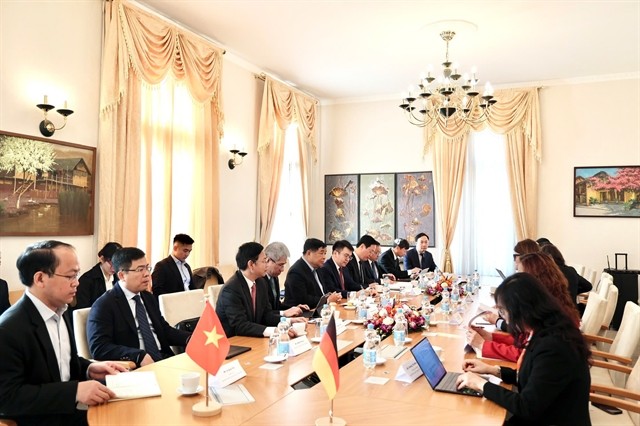
Deputy Prime Minister Nguyen Chi Dung, during a working visit to Germany, met with Elisabeth Staudinger of Siemens Healthineers on March 23 (local time) to promote expanded Vietnam–Germany cooperation in high-tech health care, focusing on digital health, AI, cancer treatment, technology transfer, investment and capacity building.
Founded in 1847 in Berlin and headquartered in Forchheim, Bavaria, Siemens Healthineers is among the world’s leading providers of medical equipment, solutions and services, specialising in imaging, diagnostics, cancer care, minimally invasive therapies and digital technologies, particularly AI applications to support precise and personalised diagnosis and treatment.
The company has been operating in Vietnam since 1993 and has supplied more than 4,000 laboratory and imaging systems nationwide, partnering with over 1,000 healthcare facilities including major hospitals such as Cho Ray Hospital, Bach Mai Hospital and 108 Military Central Hospital.
Staudinger also outlined proposals in early detection and treatment of high-risk diseases such as cancer, stroke and lung conditions alongside broader public healthcare initiatives.
Plans to expand investment through Siemens’ global network, including support for clinical training, technology transfer and the development of diagnostic imaging and cancer care infrastructure in Vietnam, were highlighted.
Vietnam welcomed the company’s strategic cooperation proposals, noting they align with the country’s policies on developing digital health care, applying AI and building a modern and equitable health care system, Deputy PM Nguyen Chi Dung said.
He underlined the important role of major German corporations such as Siemens Healthineers as key bridges in deepening bilateral ties, particularly in high-tech health care: one of the priority areas of cooperation.
He called on Siemens Healthineers to expand investment and operations in Vietnam by deploying next-generation medical systems and digital health solutions, while supporting Vietnamese enterprises and institutions in joining its global value chains to strengthen domestic capacity and self-reliance in the health care system.
Further priorities include stepping up technology transfer, especially core technologies, developing high-quality human resources, considering the establishment of R&D and innovation centers in Vietnam and strengthening links between businesses, research institutes and hospitals.
“The Vietnamese Government will continue to create favourable conditions for the Group to expand long-term investment and cooperation in the country, contributing to advancing research, development and the application of advanced technologies, and strengthening science, technology and innovation ties between Vietnam and Germany,” said Nguyen Chi Dung.