Proactively joining hands
Once known mainly for its dynamic integration into the global community, Vietnam in recent years has expanded its role, becoming increasingly active in proposing initiatives, sharing solutions, and shaping discussions on regional and global issues.
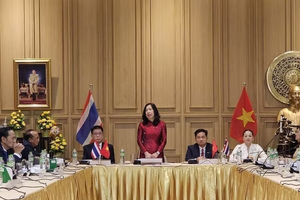
According to the Ministry of Foreign Affairs, this change signals a new approach in foreign policy thinking. One of its most visible manifestations was the signing of the United Nations Convention on Cybercrime (the Hanoi Convention) in October 2025.
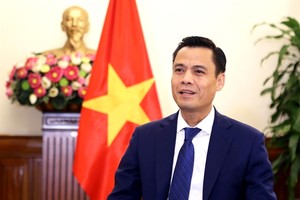
Deputy Minister of Foreign Affairs Dang Hoang Giang, who has been involved in the negotiation process of the Convention since its early days, noted that Vietnam’s hosting and successful organization of the signing ceremony of the Hanoi Convention further demonstrate the country’s proactive role in joining hands to address issues of shared concern among nations, while contributing to the creation of new platforms for global cooperation. Vietnam, he emphasized, not only benefits from the international order but also actively contributes to building and shaping it.
Following Vietnam’s initiative, the United Nations Office on Drugs and Crime (UNODC) has moved forward with plans to establish a Regional Cooperation Center for Cybercrime Prevention in Vietnam.
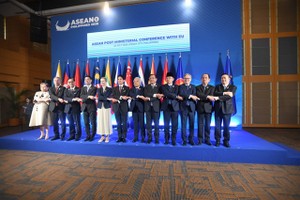
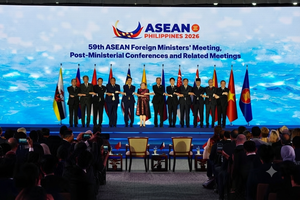
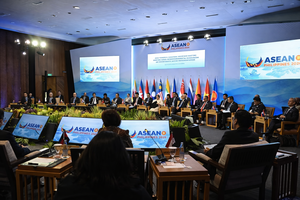
At the regional level, Vietnam has continued to leave a strong imprint by successfully hosting the ASEAN Future Forum for two consecutive years, in 2024 and 2025, in the capital city of Hanoi. Through the forum, Vietnam demonstrated its capacity to lead discussions and help shape orientations for the ASEAN Community Vision 2045. In addition, Vietnam has effectively undertaken a number of key responsibilities, including serving as Chair of the Initiative for ASEAN Integration (IAI) Task Force and hosting meetings of the ASEAN Working Group on the development of the socio-cultural strategic framework.
Toward the end of 2025, Vietnam once again drew international attention by proposing that the United Nations launch an “International Decade of Culture for Sustainable Development” at the 43rd session of the General Conference of the United Nations Educational, Scientific and Cultural Organization (UNESCO).
Deputy Minister of Foreign Affairs Ngo Le Van stated that the Director-General of UNESCO, along with its Member States, highly appreciated Vietnam’s initiative, as it aligns well with UNESCO’s strategic priorities and current shared global concerns.
In the coming period, Vietnam and its co-sponsoring countries will continue to submit the Resolution to the United Nations General Assembly. If adopted by consensus, this will become the largest initiative ever initiated by Vietnam at UNESCO, reflecting the country’s strong commitment and collective efforts to work with the international community in building a peaceful, prosperous and humane future.
Deputy Minister Ngo Le Van emphasized that Vietnam’s consistent foreign policy, notable socio-economic achievements, growing international stature and constructive engagement at UNESCO have garnered widespread trust and support from the international community.
Increasing international responsibility
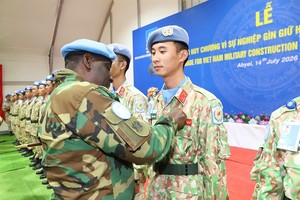
Beyond demonstrating its role through initiatives and forums, Vietnam is also affirming its international responsibility through tangible contributions on the ground. In late September 2025, following a send-off ceremony at Tan Son Nhat International Airport, nearly 250 Vietnamese officers and personnel from the Level-2 Field Hospital No. 7 and Engineering Unit No. 4 departed to undertake duties with United Nations peacekeeping missions in South Sudan and Abyei.
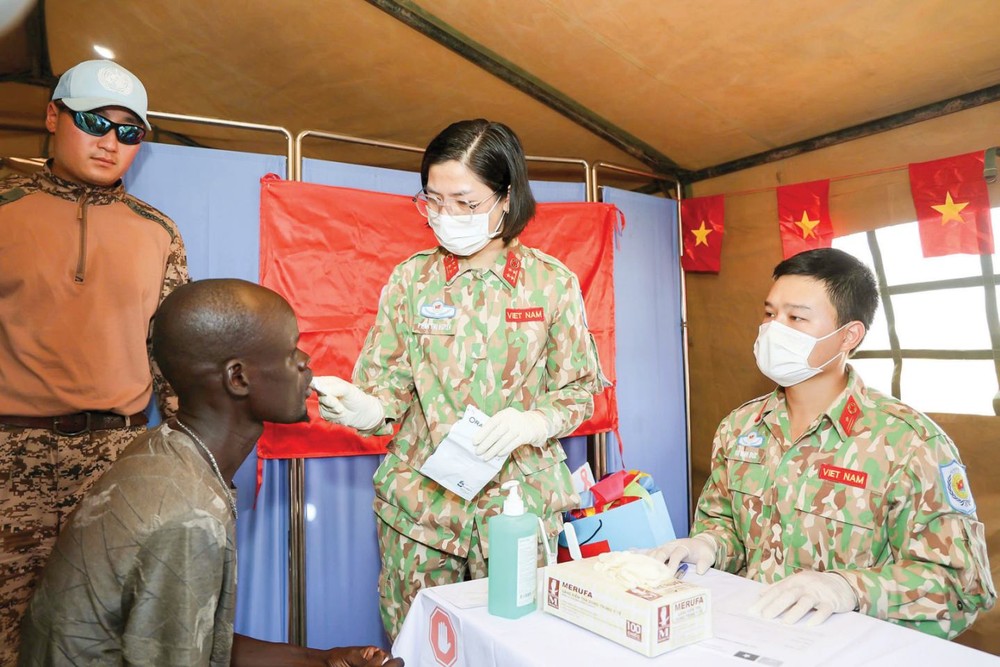
Senior Lieutenant General Hoang Xuan Chien, Deputy Minister of National Defence, noted that participation in UN peacekeeping operations has become a bright spot in the multilateral diplomacy of the Party, the State, the Vietnam People’s Army and the People’s Public Security forces.
Over the past 11 years, Vietnam has sent more than 1,300 officers and service members to perform international duties. Beyond successful medical surgeries and the construction of bridges and roads under harsh conditions as assigned by UN missions, Vietnamese personnel have also engaged in community outreach such as teaching classes, building schools and creating playgrounds for children.
This strong sense of responsibility is also evident during moments of hardship faced by international partners. Following the 7.7-magnitude earthquake in Myanmar in March 2025, two emergency relief teams from the Ministry of Public Security and the Ministry of National Defence of Vietnam were promptly dispatched to the epicentral areas. Bringing search-and-rescue equipment and medical supplies, their timely assistance reflected the deeply rooted humanitarian values of the Vietnamese nation.
More recently, Vietnam has garnered widespread attention at home and abroad for its heartfelt solidarity with Cuba. Nearly 2.2 million Vietnamese citizens contributed over VND615 billion (US$23.6 million) in just 65 days, almost ten times the initial target.
Vietnam is striving to build a better future for itself while standing ready to proactively contribute to humanity’s shared goals of peace, stability, cooperation and development.
By 2025, Vietnam had established official diplomatic relations with 195 countries, including 14 comprehensive strategic partners. Notably, Vietnam now maintains Comprehensive Strategic Partnerships with all five permanent members of the United Nations Security Council, including Russia, China, the United States, France and the United Kingdom.
Vietnam currently has economic and trade relations with more than 230 countries and territories. In 2025, its total import–export turnover reached US$930 billion, placing the country among the world’s top 15 largest trading nations. Vietnam also attracted nearly US$38.5 billion in foreign direct investment (FDI).
The country has become an important link in global production and supply chains, with 17 free trade agreements (FTAs) and more than 500 bilateral and multilateral agreements.
Vietnam is currently a member of more than 70 international and regional organizations, including major global governance frameworks such as the United Nations, the Association of Southeast Asian Nations (ASEAN), the World Trade Organization (WTO), the Asia-Pacific Economic Cooperation (APEC) and the Asia-Europe Meeting (ASEM).